East Texas Farmstands Turn Roadside Stops Into Sourdough Destinations
Roadside farmstands in East Texas are turning sourdough into a pull-over purchase. The Bread Barn shows how discard bakes and flexible hours can build a real business.
The pull-off is the product
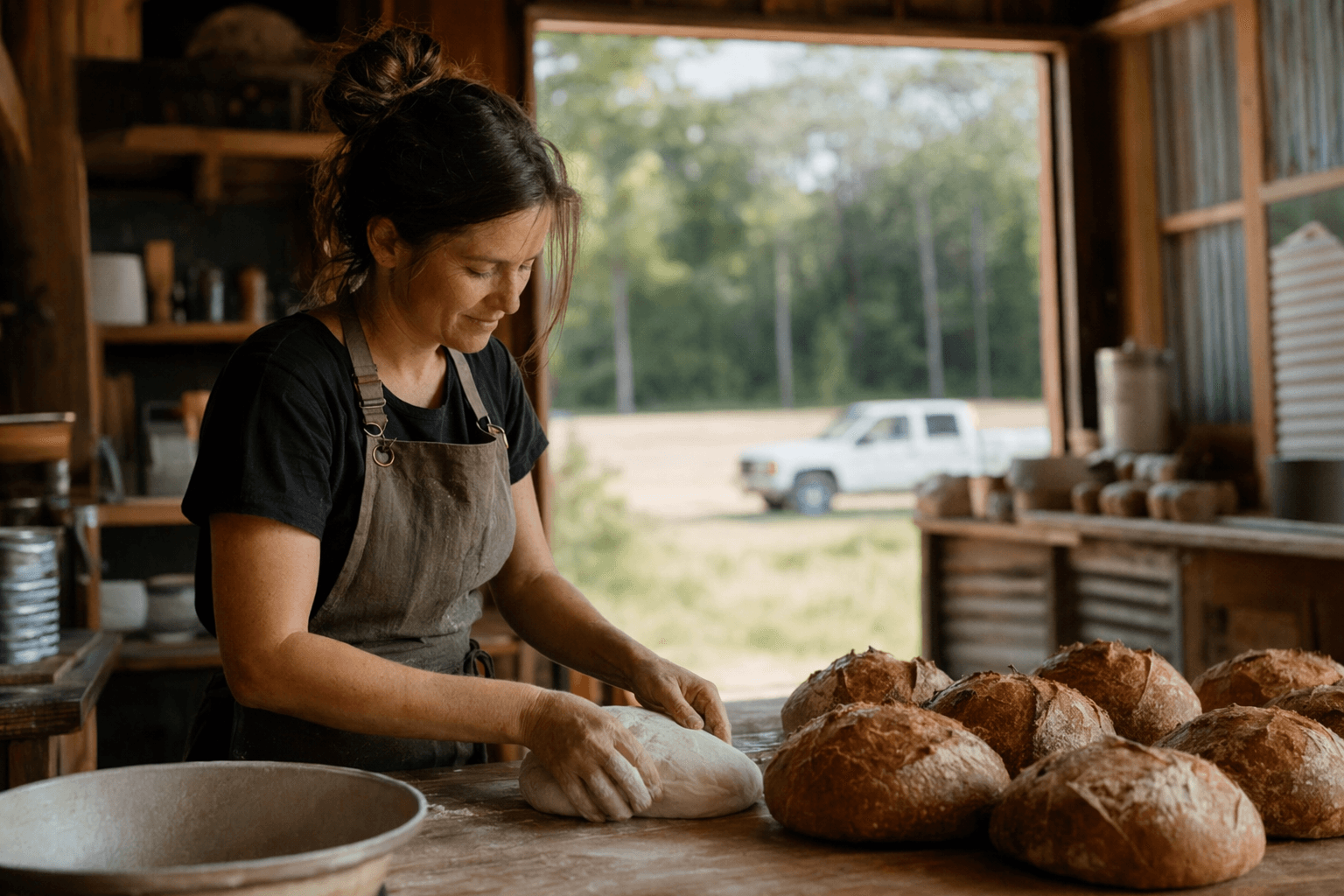
The best sourdough stop in East Texas may be a roadside stand with no dining room at all. Along farmstands, fresh bread is being sold beside cookies and other desserts, and the drive itself becomes part of the sale. Some stands run 24/7, others only seasonally, but the pattern is the same: customers stop because a loaf feels local, useful, and worth taking home today.
This is not just charm for charm’s sake. In warm-weather market season, roadside bread works because it gives people a reason to pull over that is more tangible than a farmers’ market browse. When you can hand over a fresh loaf in multiple flavors, plus a few sweets for the same stop, the stand starts acting like a tiny bakery with almost no overhead.
The Bread Barn is the clearest template
Terri Smith opened The Bread Barn in Longview, Texas, at 1032 S. Fuller Rd. in August 2024, and it has already built a loyal customer base. That matters because the shop is not leaning on novelty or foot traffic from a big shopping district. It is living on repeat business, regular routines, and the kind of local trust that a roadside stop can actually earn.
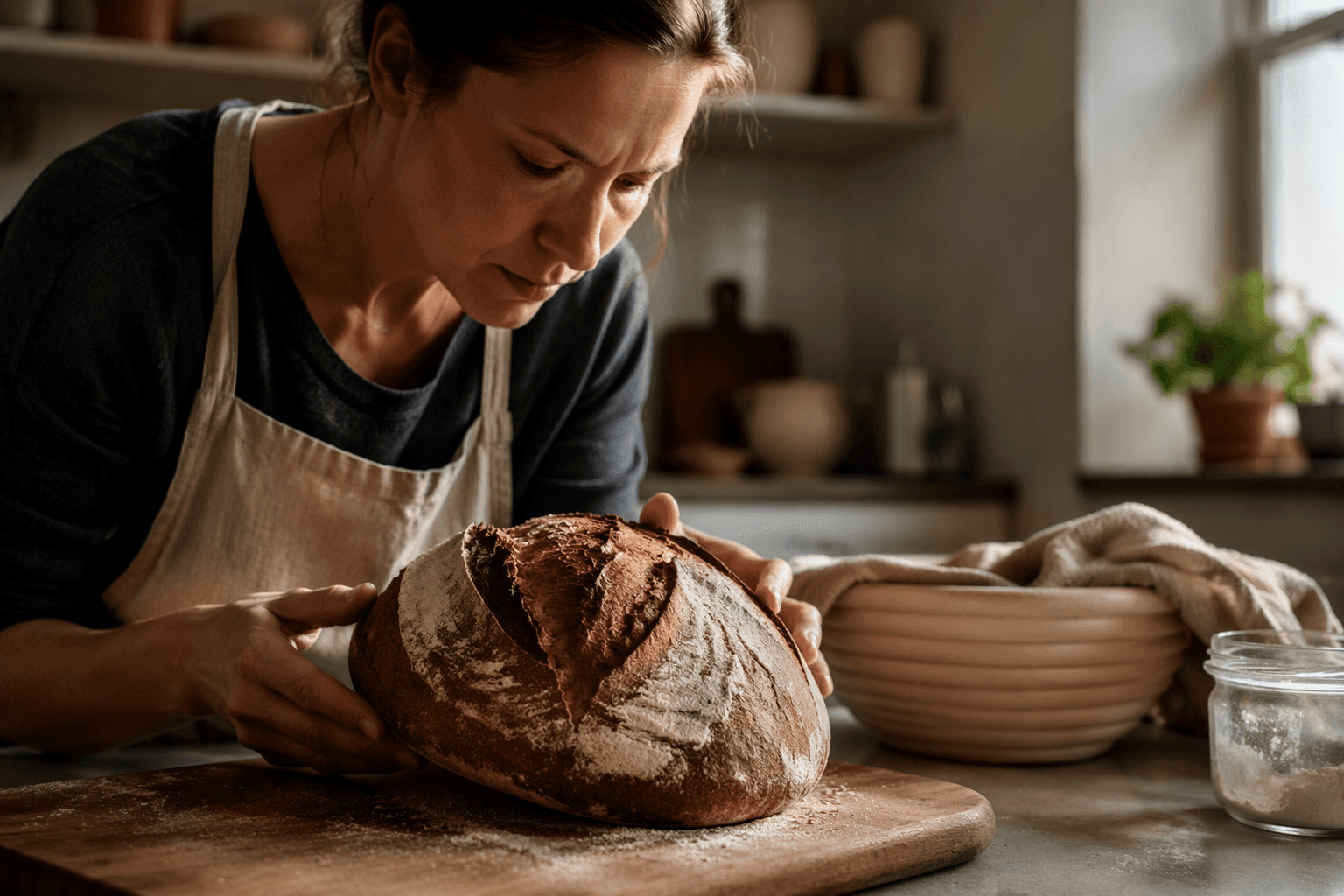
The sharpest detail is that every baked good from The Bread Barn comes from a sourdough or sourdough discard base. That is the whole identity, not a side angle. For a small baker, that is the lesson: sourdough does not have to be one loaf on a menu board, it can be the system that supports the entire menu.
What sells at a roadside stand
The menu that works here is broader than plain country bread. East Texas stands are selling sourdough in multiple flavors, along with cookies and desserts, which tells you the customer is not just buying flour and water fermentation as a concept. They are buying a ready-to-eat reward tied to a quick stop.
The flavor logic is easy to read from the East Texas sourdough scene. Another family bakery in Gilmer has shown how loaves can shift by flour blend and inclusions such as jalapeno cheese or rosemary. Those are the kinds of add-ins that make sourdough feel worth the detour, because they turn a familiar loaf into something specific enough to remember on the next drive.
Why customers stop for bread, not just browse
Bread is the product that makes a roadside stop feel justified. It is useful, it travels well, and it feels fresher when you buy it close to the oven rather than from a shelf across town. That is why the roadside model fits sourdough so neatly: the bread itself becomes proof that the stop mattered.

The personal connection helps too. A stand like The Bread Barn does not need branding theater when regulars already know when to swing by and what they are likely to find. In a market where freshness and trust matter more than polish, the handwritten feel of the transaction becomes part of the value.
The Texas rules make the math work
The business case gets stronger once you look at Texas cottage food rules. Texas A&M AgriLife Extension says home-based cottage food sellers can sell foods prepared in residential homes directly to consumers as long as gross annual sales do not exceed $50,000, and the Texas Department of State Health Services says cottage food operators have registration and labeling requirements to follow. Texas law has also moved with the category, with SB 541 expanding allowable foods, setting conditions for wholesale cottage foods, and changing labeling requirements.
That lower-friction setup is exactly why a roadside stand makes sense. You can keep production small, sell directly to the consumer, and avoid the cost and complexity of a storefront that has to justify itself every hour of the day. The model works because it matches the scale of the baking.
A real blueprint for hobby bakers
If you are trying to turn a starter into income, the lesson is not to overbuild it. Start with a tight menu, build around a reliable starter, and let discard do some of the heavy lifting in cookies or quick bakes so the whole operation feels intentional rather than wasteful. The East Texas sourdough playbook is simple: a starter is flour and water that ferments and gets fed over time, and the finished bread changes with flour blends and inclusions.
The bigger point is that this is not a cute side hustle operating in a vacuum. USDA Economic Research Service data show producers sold $17.5 billion in food through direct marketing channels in the 2022 Census of Agriculture, up 25% in real terms from 2017. That is a serious market, and roadside sourdough sits squarely inside it.
Why the trend has legs
East Texas farmstands are showing that sourdough can move well outside the farmers’ market tent and the brick-and-mortar bakery. The winning formula is simple: a strong starter, a flavor profile people want to eat on the road, and a sales setup that keeps overhead low while keeping the customer close. In other words, sourdough is not just a bakery trend anymore, it is a roadside retail strategy.
This article was produced by Prism’s automated news system from verified source data, official records, and press releases, then run through automated quality and moderation checks before publishing. The system is built and supervised by the people who set the standards it runs under. Read our full AI policy.
Did this article answer your question?