Daily sourdough may curb appetite, stabilize blood sugar, drive diet buzz
Daily sourdough isn't Ozempic. Fermentation can lower glycemic impact and improve digestibility, but the weight-loss leap remains unproven.
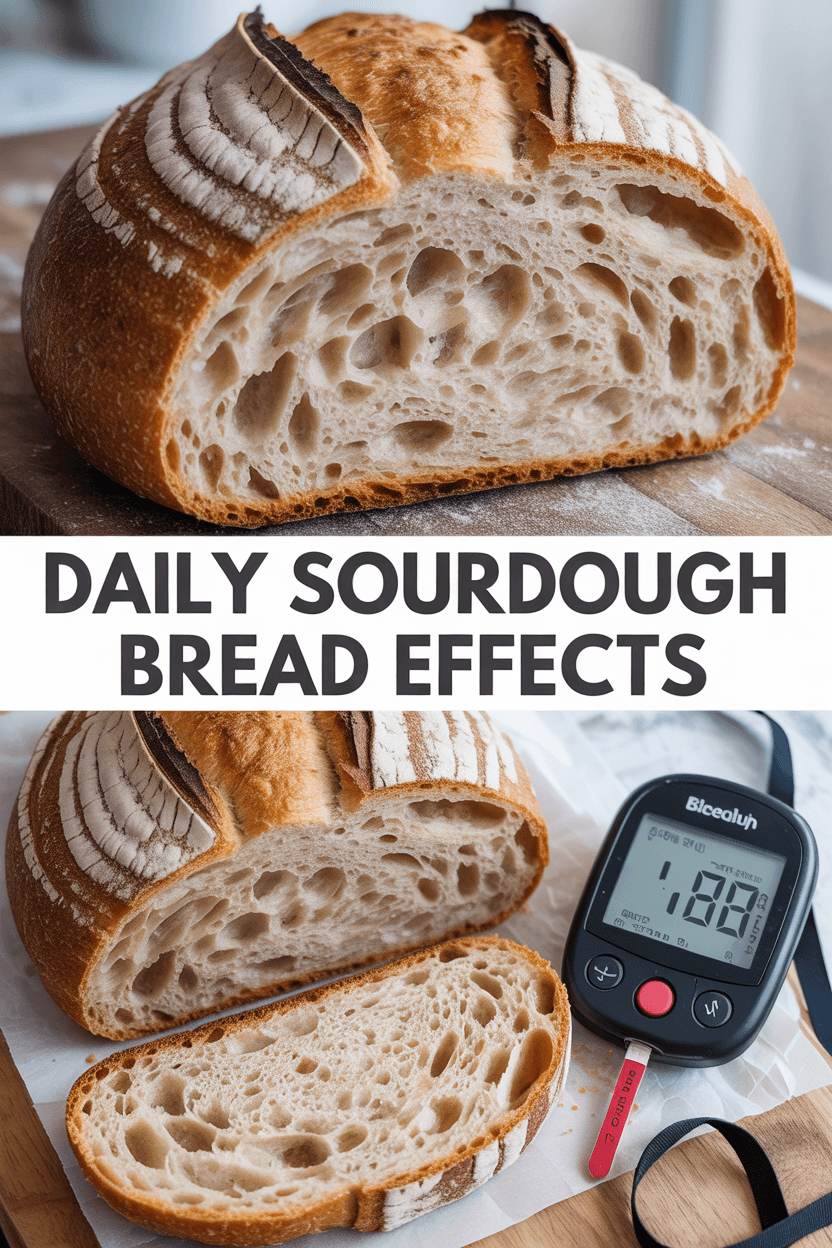
The viral claim is simple: eat sourdough every day and appetite will drop like it does on Ozempic. The evidence is narrower. Sourdough can have a lower glycemic index than some other breads because fermentation makes starch less available for digestion and absorption, and Mayo Clinic says it can also be easier to digest than white bread because fermentation reduces gluten and FODMAP carbohydrates.
That does not make it a drug. GLP-1 medicines work through a prescription satiety pathway that slows gastric emptying and helps reduce food intake. Sourdough may influence fullness and blood sugar indirectly, through organic acids, resistant starch, and changes in starch digestibility, but it does not act on the body the same way a GLP-1 receptor agonist does. The comparison gets attention because it rides the broader weight-loss boom, yet it overstates what fermentation can do.
The research base backs the caution. A 2023 review in Frontiers in Nutrition said many sourdough health claims still rest heavily on chemical and in vitro findings, with human benefits still uncertain. In one 2018 study of 23 healthy volunteers, appetite and later food intake did not clearly change when researchers varied the amount of sourdough and rye in soft bread. That matters for bakers chasing the promise of a loaf that somehow regulates eating on its own: the effect is not automatic, and bread composition still matters.
Human trials are continuing, not closing the case. ClinicalTrials.gov lists KU Leuven study NCT04788069 as completed and last updated on May 14, 2024. That study examined different sourdough breads and their effects on satiety, energy intake at a later meal, and post-meal metabolic responses. A separate 2024 randomized, double-blind trial in adults with metabolic syndrome tested sourdough breads with different fermentation times for inflammation, satiety, and gut microbiota. Those are meaningful questions, but they are still about modest metabolic effects, not a medical-grade appetite suppressant.
For home bakers, the practical read is straightforward: sourdough may be a smarter bread choice than highly refined white bread for some people, especially when the goal is a gentler blood sugar response and easier digestion. It is still bread, not Ozempic, and the best evidence so far points to fermentation benefits that are real but limited, with no proof that daily sourdough can replace a weight-loss medicine.
This article was produced by Prism’s automated news system from verified source data, official records, and press releases, then run through automated quality and moderation checks before publishing. The system is built and supervised by the people who set the standards it runs under. Read our full AI policy.
Did this article answer your question?