Dietitians name whole-grain sourdough a top bread for healthy aging
Sprouted bread topped the list, but whole-grain sourdough came in close enough to keep its place in the healthy-aging conversation.
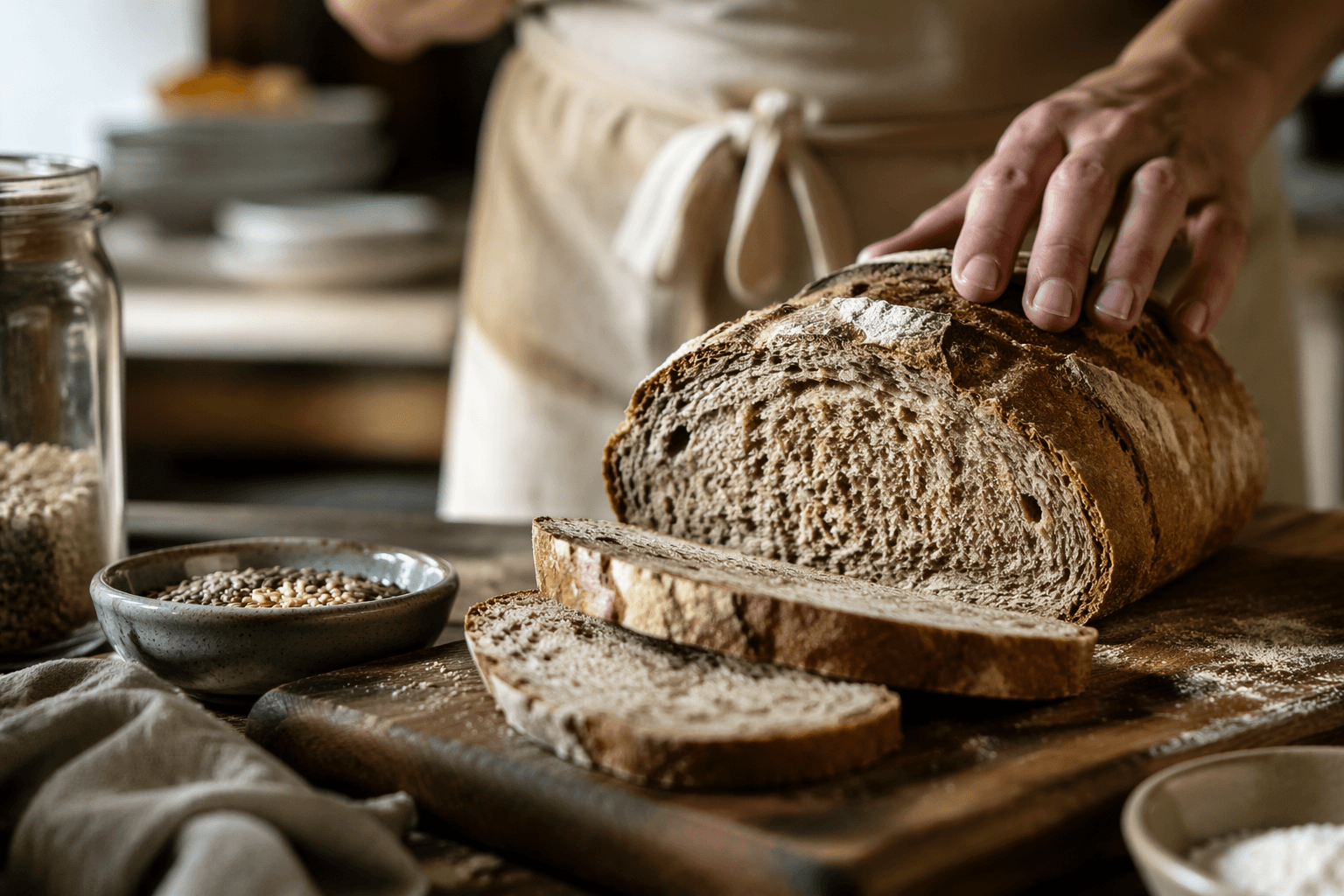
Sprouted bread took the top spot, but whole-grain sourdough earned a clear second-place nod in a healthy-aging bread rundown that matters at the grocery shelf as much as the breakfast table. The key takeaway is not that every sourdough loaf is a health food. It is that the version made with whole grain and natural fermentation has a stronger nutrition case than white loaves that only taste tangy.
The difference starts with the label. The best breads for aging, the article said, are made from whole or sprouted grains, deliver meaningful fiber and protein, and stay minimally processed. That puts plain white sourdough in a different category from whole-grain sourdough, which keeps the bran and germ that support fiber intake. It also explains why dietitians did not hand sourdough a blanket endorsement. Fermentation helps, but flour choice still decides a lot.
That fermentation story is where sourdough keeps its appeal. Sourdough starter relies on wild yeasts and lactic acid bacteria, not just commercial baker’s yeast, and the process can take up to a week or longer. In the nutrition literature, sourdough fermentation has been linked to better mineral bioavailability, improved protein digestibility, and a lower glycemic index in some breads. The catch is consistency: other reviews have found mixed blood-sugar effects, including studies where sourdough made no meaningful difference. In other words, sourdough can help, but it is not magic.
That nuance fits the broader guidance older adults are hearing elsewhere. The National Institute on Aging says its healthy-eating advice for older adults follows the 2020-2025 Dietary Guidelines for Americans, and those federal guidelines emphasize fiber and whole grains as part of healthy eating patterns. Separate aging research also keeps protein in the conversation because sarcopenia, or age-related muscle loss, is common in older adults. That helps explain why dietitians keep returning to breads that bring more than empty starch to the plate.
For sourdough bakers, the practical read is simple: whole-grain sourdough deserves its healthy halo far more than a standard white loaf does, but the halo only holds when the recipe and the flour back it up. The fermentation process may support digestibility and blood sugar response, yet the real shelf test is still the same one readers can use in any bakery or store aisle: look for whole grain first, then sourdough second.
This article was produced by Prism’s automated news system from verified source data, official records, and press releases, then run through automated quality and moderation checks before publishing. The system is built and supervised by the people who set the standards it runs under. Read our full AI policy.
Know something we missed? Have a correction or additional information?
Submit a Tip