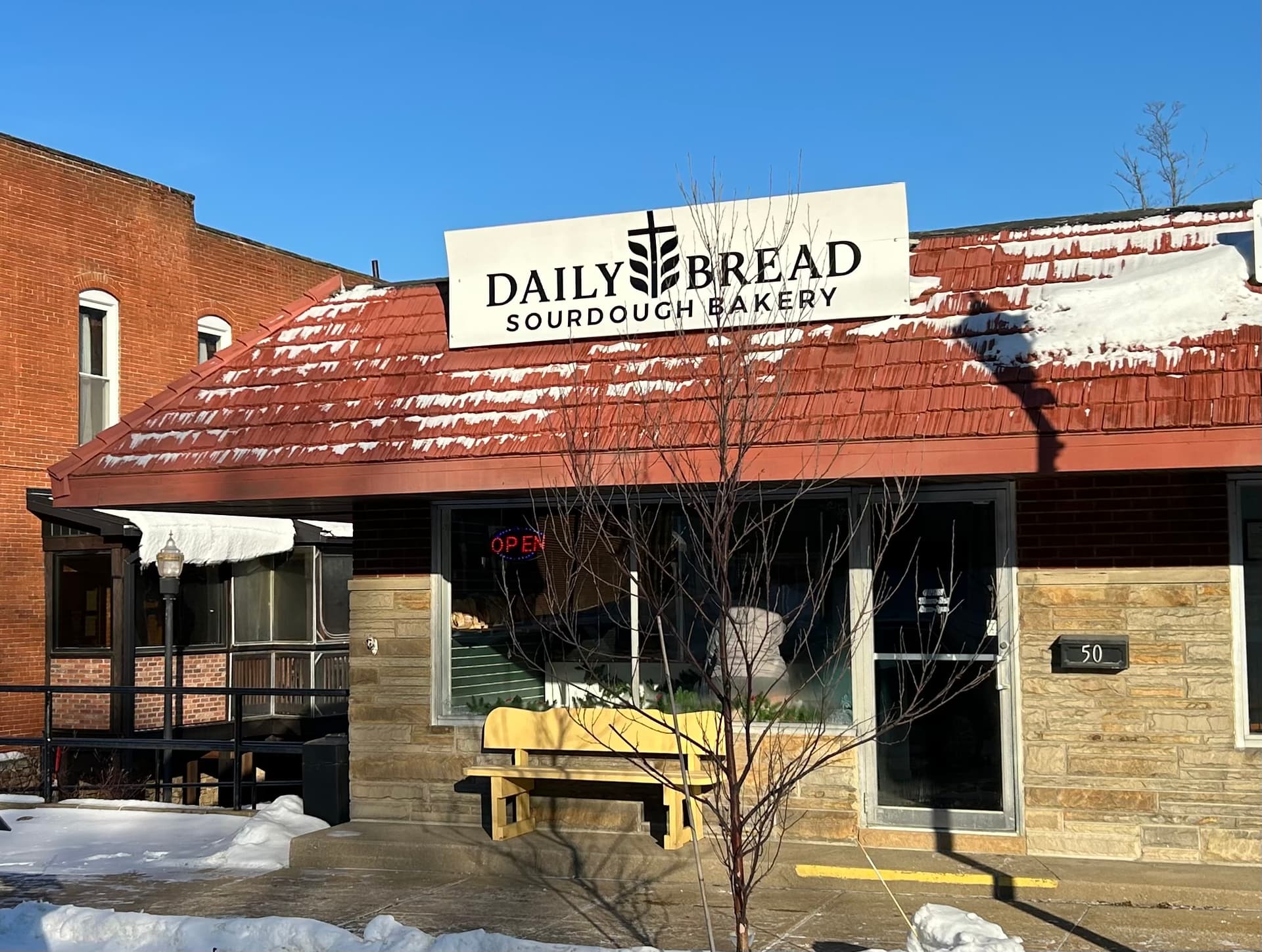
Plano deli builds its menu around fresh daily sourdough
Plano's Sourdough Bread Deli turns a two-hour morning bake into lunch, with bread that drives the menu and keeps regulars coming back.
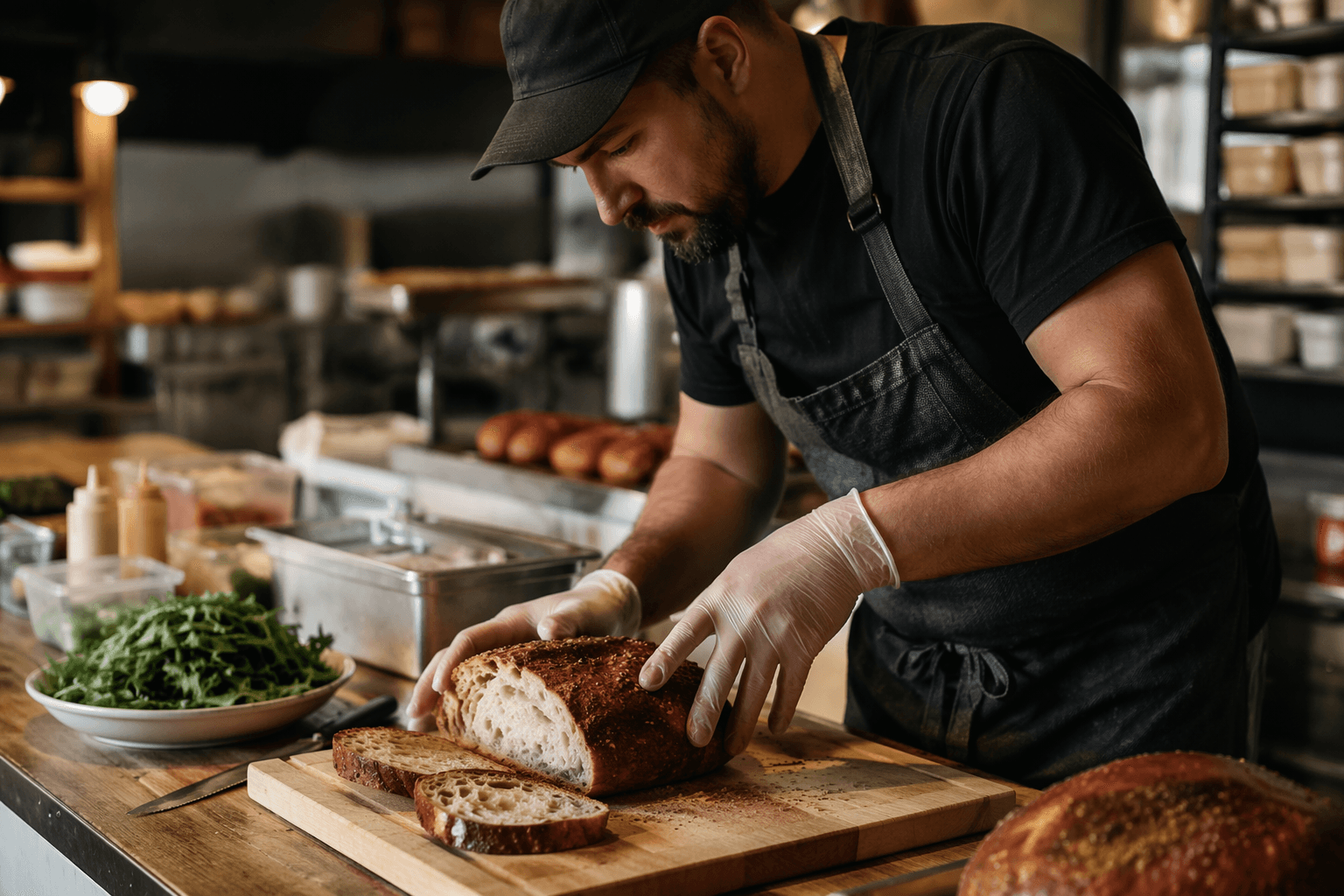
A lunch counter built around the loaf
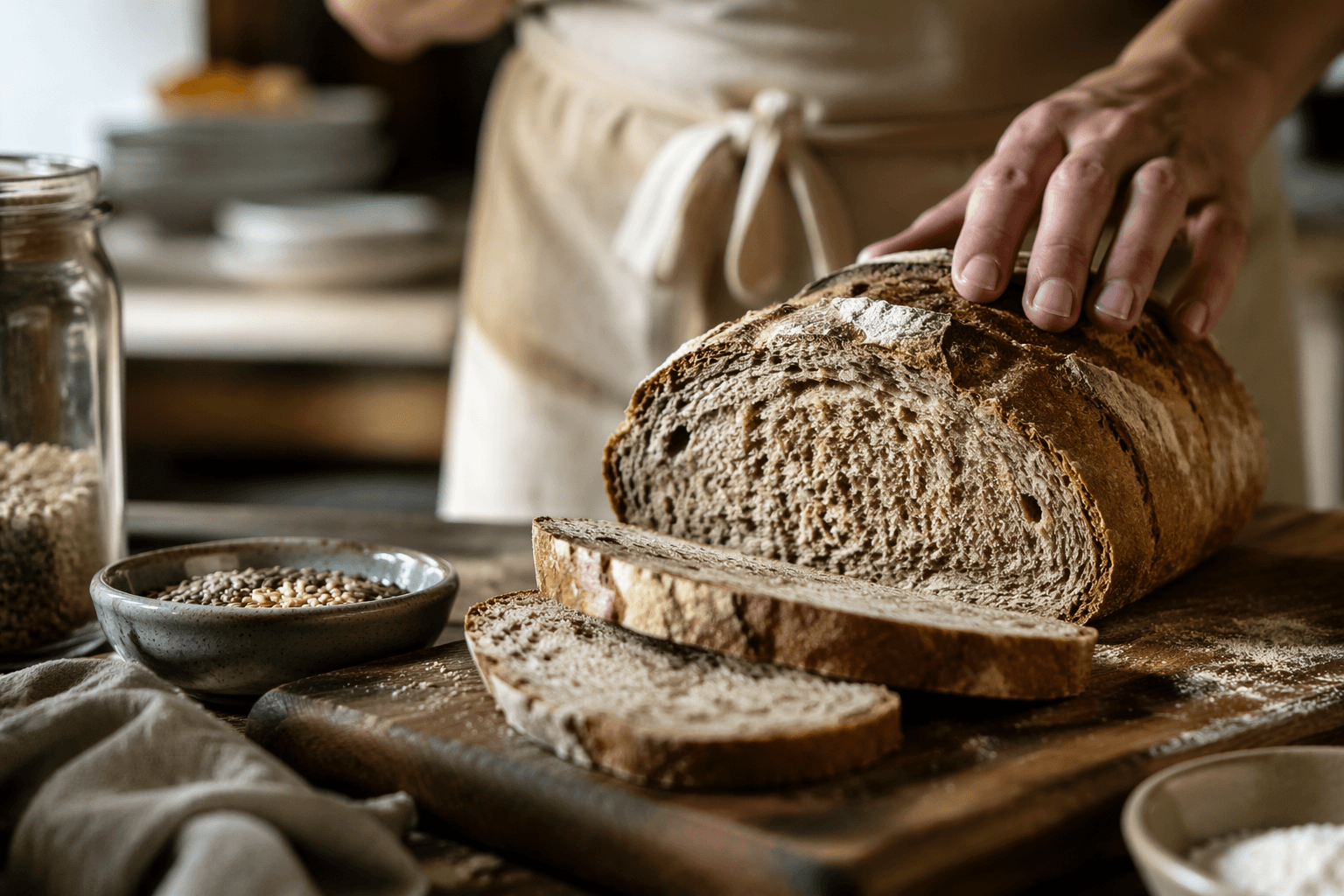
At Sourdough Bread Deli in Plano, the bread is not a side note. It is the point. Every morning, owner Veronika Prishutov-Wells and her teammate Sviatlana Filistovich spend about two hours baking the restaurant’s bread from scratch, and that daily rhythm sets the tone for everything that follows.
That matters in a lunch town like Plano, where people want food that feels immediate, practical, and worth leaving the office for. When a deli builds its sandwich program around bread baked that same morning, the result is a menu that feels anchored in routine rather than decorated with food trends. The shop’s breads are not sitting around as an afterthought; they are the base for sandwiches, baked goods, soups, salads, and bagels.
What fresh every morning really changes
The phrase “made fresh every morning” can sound like marketing, but here it has a concrete meaning. It starts with a two-hour bake cycle before the day is fully underway, which gives the deli a fresh foundation for service and keeps the menu tied to the day’s pace. That is the difference between bread as a product and bread as a system: the loaf determines what the sandwich tastes like, how the shop works, and why people return.
For lunch customers, that freshness shows up most clearly in the sandwich experience. A sourdough base with a same-day bake gives the deli’s sandwiches a stronger identity, especially when the bread is meant to be eaten on-site or soon after purchase. It also helps explain why a place like this can build neighborhood loyalty around consistency. Regulars are not just buying lunch. They are buying into the expectation that the bread they remember will be there again the next day, made the same way.
The menu stays broad, but the bread stays central
The deli serves sandwiches, baked goods, soups, salads, and bagels, yet the menu still revolves around the same sourdough backbone. That is a useful model for anyone watching how a local food business earns repeat visits: the bread carries the brand, while the rest of the menu gives people reasons to come back for different meals or moods.
The most popular item is the Chicken Pesto Avocado sandwich, and that detail says a lot about how the shop works. It is not selling sourdough as a separate novelty loaf for customers to take home and admire. It is using the bread where it matters most to lunch crowds, as the first bite in the sandwich that people actually order in the middle of a workday. Fresh bread, daily-cut ingredients, and a focused signature sandwich create a simple equation that is easy to understand and even easier to repeat.
The owner’s story shapes the business model
Prishutov-Wells brings a personal path to the deli that helps explain why the shop feels so grounded in daily life. She was born in a small town in Uzbekistan, later moved to New York, and served in the Army before eventually relocating to the Dallas-Fort Worth area. Her husband suggested the move as a better fit for family life, and that family lens remains central to the way the business is run.
She has also said one of her children has Down syndrome, and that flexibility was part of what drew her to restaurant ownership. That context makes the deli feel less like a generic lunch counter and more like a family-centered operation built around a workable daytime rhythm. The two-hour morning bake is part of that structure. It creates a predictable start to the day, supports a manageable service window, and lets the business serve customers without losing the flexibility the owner needed in the first place.
Why Plano regulars respond to this kind of shop
Plano lunch culture rewards places that make the decision easy: dependable food, quick service, and something that feels fresher than the chain option down the street. Sourdough Bread Deli fits that pattern because it gives customers a clear reason to choose it before they even look at the menu. Fresh-baked bread has a way of doing that. It smells different, holds together differently in a sandwich, and signals that someone has already done the work before the first lunch order arrives.
That is also why the deli’s appeal feels rooted in neighborhood loyalty rather than one-time curiosity. A place that bakes every morning earns a reputation for being there early, being consistent, and being worth planning around. In a lunch setting, that kind of reliability can be more powerful than flash. It makes the bakery feel like a neighborhood habit instead of a destination purchase.
The bread is the reason the rest works
The strongest part of the story is how plain the formula is. Veronika Prishutov-Wells and Sviatlana Filistovich bake for about two hours each morning. The shop then turns that bread into sandwiches, baked goods, soups, salads, and bagels. The best-known sandwich is the Chicken Pesto Avocado, but the larger appeal is the daily structure behind it.
That structure gives Sourdough Bread Deli its identity in Plano. It turns bread from a supporting ingredient into the reason people stop in, order lunch, and come back again. In a city full of options, that kind of daily discipline is what makes a sourdough shop feel less like a one-off and more like part of the neighborhood’s lunch routine.
This article was produced by Prism’s automated news system from verified source data, official records, and press releases, then run through automated quality and moderation checks before publishing. The system is built and supervised by the people who set the standards it runs under. Read our full AI policy.
Know something we missed? Have a correction or additional information?
Submit a Tip