Elaine’s summer sourdough tips for preventing overproving
Hot kitchens can push sourdough past its peak fast. Elaine Boddy’s summer fixes focus on spotting flat, weak dough early and tightening starter, timing, and flour choices.
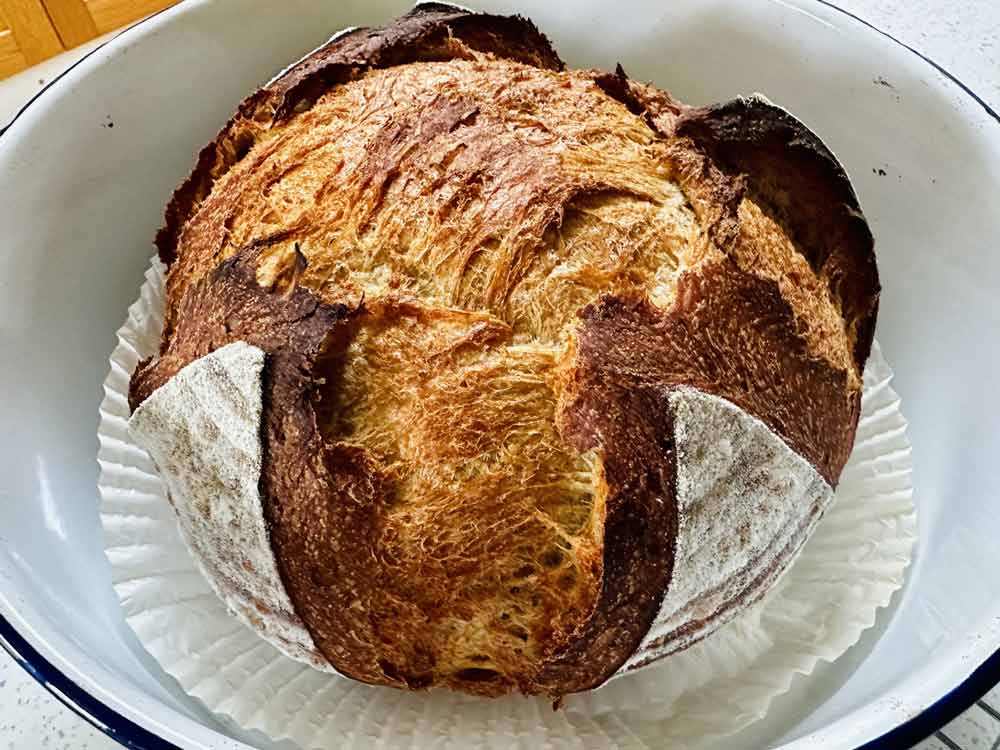
A dough can look lively during bulk fermentation, then lose its structure, leaving a flatter loaf, weak oven spring, or an open but uneven crumb. Elaine Boddy’s summer sourdough guidance is built around catching that moment early, before hot-weather fermentation pushes the dough past its peak.
Cotswold Flour lists Boddy as its sourdough expert, sells The Sourdough Whisperer by Elaine Boddy, and keeps a Sourdough Baking Club page live for home bakers who want recurring guidance. Foodbod Sourdough’s OVERPROVING 101 and how to make sourdough in hot weather video, posted on June 23, 2025, covers why overproving happens, what to do if it does happen, and how to prevent it, with hot-weather baking framed as a way to keep sourdough going without the risk of overproving.
Read the warning signs before the loaf goes slack
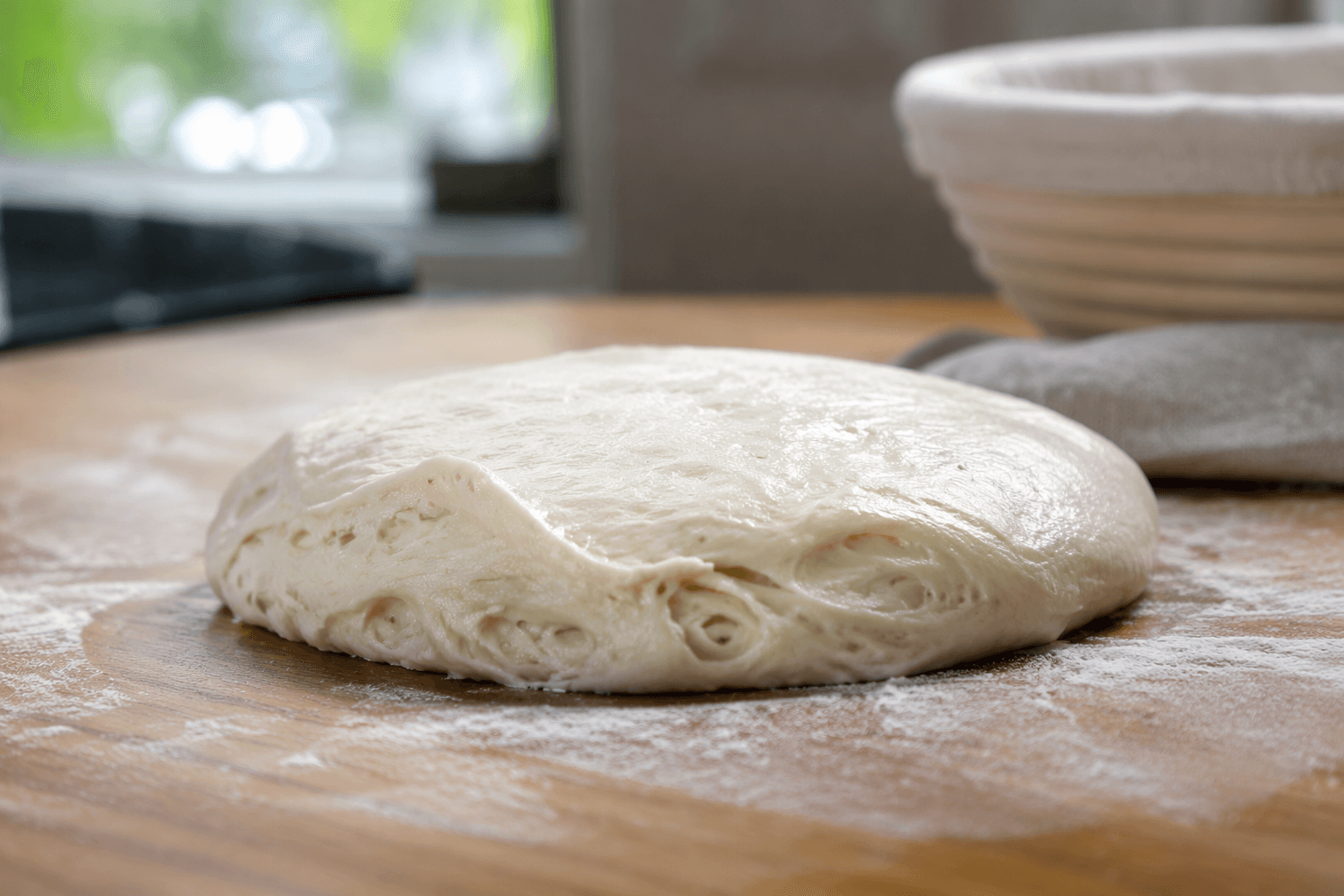
Overproving shows up in the bowl before it shows up in the oven. By shaping time, the dough can turn loose, fragile, or overly extensible, and the baked loaf can come out flatter than expected even if the crumb still opens.
Her June 17, 2025 Cotswold Flour video, Overproving 101: Making Sourdough in Hot Temperatures, goes from a hungry starter sitting in the heat to the problem of monster doughs. The sign to watch is not just rise, but whether the dough still has enough strength to hold the gas it has made.
Why summer changes the timing
Hot weather speeds everything up. Dough rises much faster when the kitchen is warm, and a fermentation window that works in spring can be far too long in July.
Dough temperature
The actual dough temperature matters, not just the weather outside. If your mix starts warm and stays warm, fermentation can run ahead of you before bulk even settles into a rhythm. That is why summer advice so often comes back to cooler water and a more deliberate mix, because lowering the dough temperature gives you back some control.
Boddy’s hot-weather material also includes a starter that has been sitting in the heat, which can push activity up even before the dough is fully mixed. If your starter is already lively, the dough will not wait politely for your usual schedule. Treat the starter as part of the heat problem, not separate from it.
Proof timing
Summer is the season to stop trusting the clock on its own. A bulk that normally needs a full window can run over quickly when temperatures are high, so the goal is to watch the dough itself and shorten the proof when the signs say it is ready. The practical adjustment is simple: use shorter bulk fermentation times rather than carrying a summer dough through a spring routine.
That matters most with overnight bakes. Foodbod Sourdough’s hot-temperature guidance puts overnight doughs at risk of overproving once nighttime temperatures rise above 20C or 70F. If you are used to letting dough sit while you sleep, summer is the time to tighten that schedule.
Starter activity
Starter strength is a blessing until the kitchen heats up. Foodbod’s June 2025 videos treat starter activity as part of the overproving story from the start: a very active starter can push a dough through bulk faster than expected. In summer, that often means using less starter so fermentation does not accelerate beyond what your shaping and baking window can handle.
A smaller inoculation is not a downgrade; it is a control tool. When the weather is warm enough to speed the whole process, reducing starter load gives the dough a longer runway before it reaches the point where structure starts to weaken.
Flour strength
Flour strength becomes more obvious in hot weather because weak dough gives up sooner. Cotswold Flour’s sourdough range includes Strong White Flour and Canadian Bread Flour, reflecting how much bakers rely on flour strength when they want more structure under pressure. In summer, a stronger flour can help the dough hold shape longer when fermentation is moving quickly.
That does not mean every loaf needs the strongest flour on the shelf. It does mean that if your usual flour already feels soft or slack, hot weather will expose that quickly, and you may need to lean on a stronger blend to keep the loaf from spreading before it reaches the oven.
Save this loaf, then change the next mix
When a dough is already running hot, the most useful same-day move is to stop giving it more time to weaken. Boddy’s hot-weather videos cover both prevention and cures, so the practical rescue mindset is to preserve the structure that is left rather than wait for a prettier rise that may never come.
- Move straight toward shaping once the dough starts to feel slack rather than elastic.
- Keep the dough from sitting out longer than necessary once you can see the bulk is done.
- Bake on the dough’s actual condition, not on the original timing plan you would use in cooler weather.
For the next loaf, tighten the variables that summer exaggerates. Use less starter, mix with cooler water, shorten bulk fermentation, and choose a stronger flour if your usual one is not giving you enough backbone. Elaine Boddy gives the same adjustment pattern in her Cotswold Flour work, her Foodbod Sourdough videos, and her Pastry Arts Magazine piece on how weather affects sourdough.
This article was produced by Prism’s automated news system from verified source data, official records, and press releases, then run through automated quality and moderation checks before publishing. The system is built and supervised by the people who set the standards it runs under. Read our full AI policy.
Did this article answer your question?