How bannetons and brotforms shape better sourdough loaves
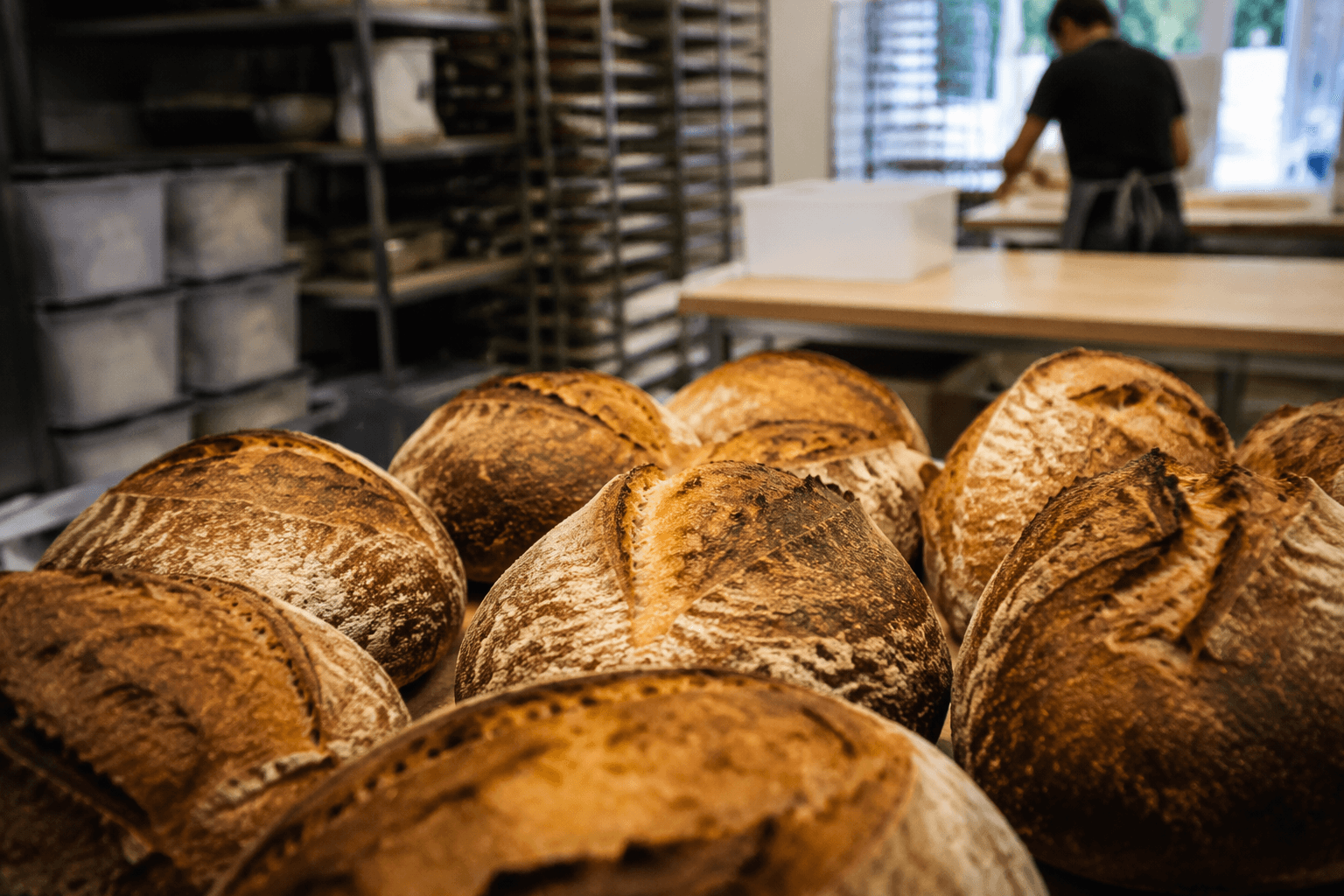
A banneton does more than look pro: it helps a shaped sourdough hold its form, score cleanly, and bake taller than a loaf left to spread free on the counter.
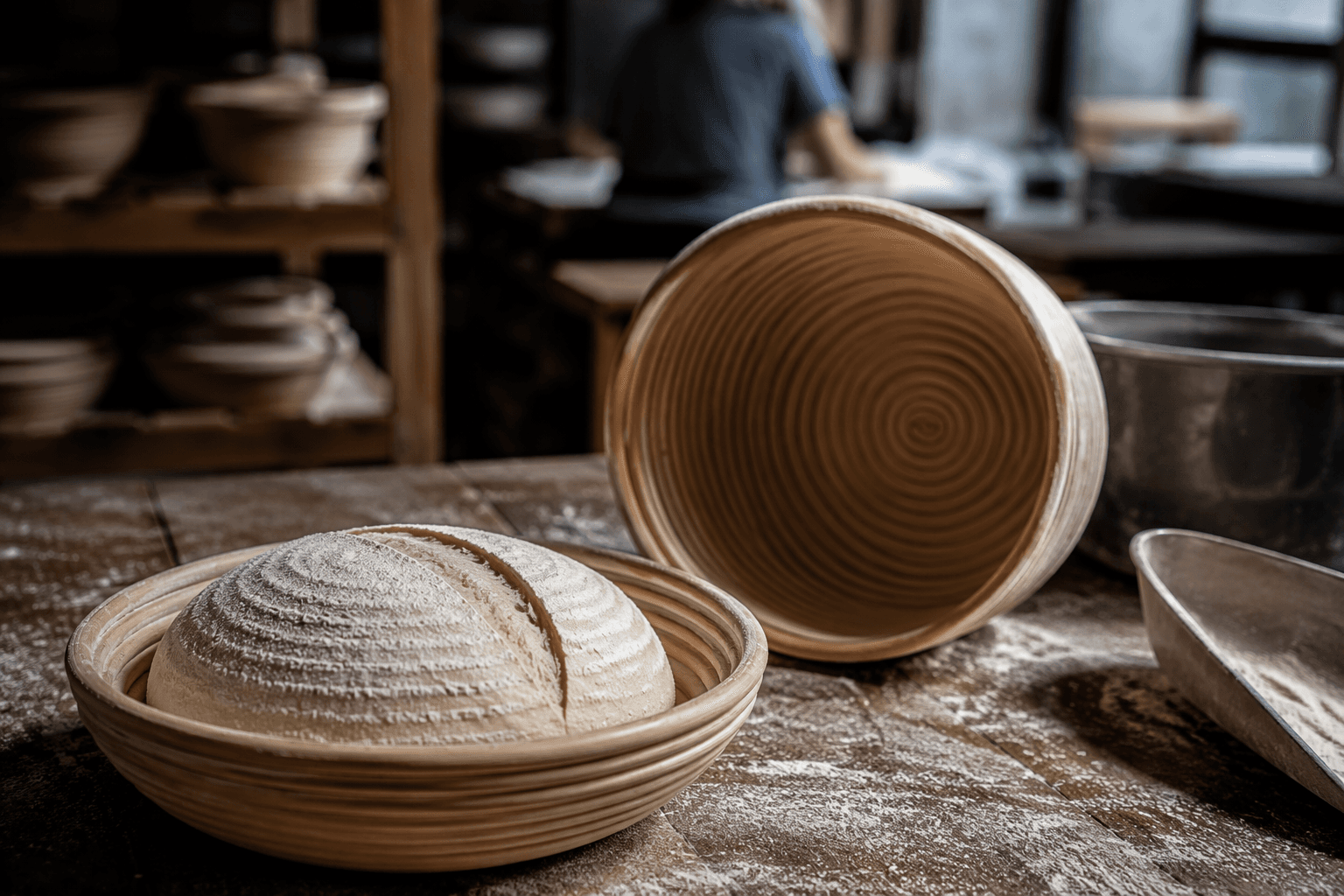
If your sourdough keeps relaxing into a puddle before it hits the oven, skip another fermentation tweak and give the loaf a basket. A banneton, brotform, or proofing basket supports the shaped dough during its final rise, helping it keep structure instead of spreading out.
What the basket actually changes
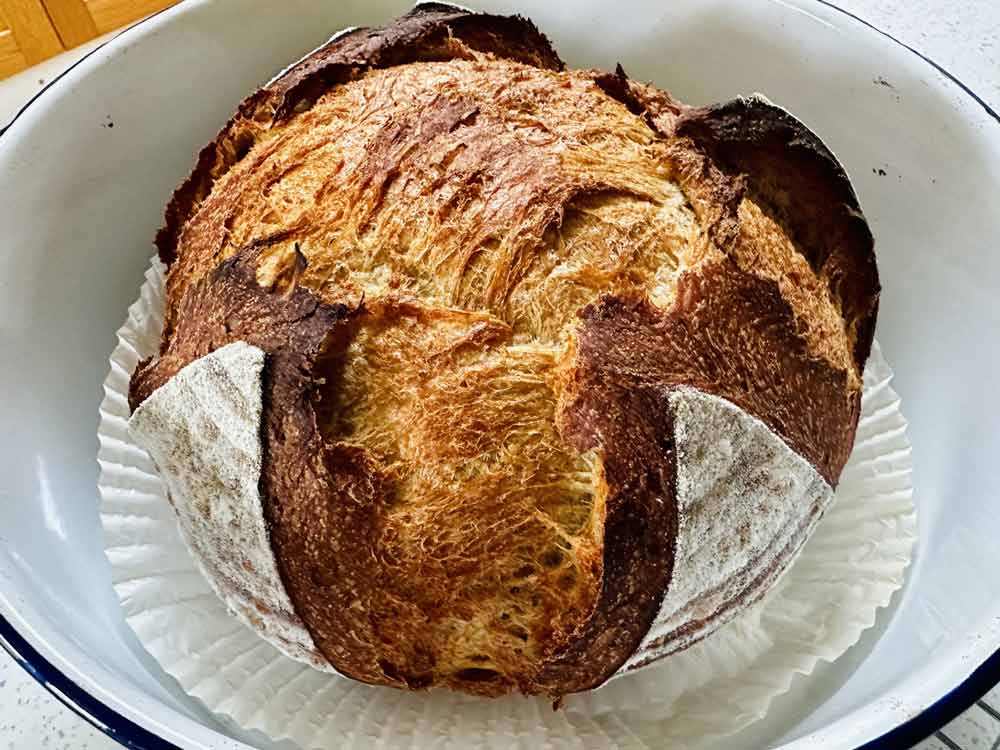
The biggest difference between basket and no-basket proofing shows up before the loaf is even baked. In a basket, the dough holds a defined shape during the final rise, so the top stays domed and the surface dries just enough to take a cleaner score. Without that support, the same dough is more likely to relax sideways on the counter, which usually means a flatter loaf and less dramatic oven spring.
That support becomes even more valuable at higher hydration. Hydration is a core variable in dough behavior, and higher hydration changes both feel and performance. In practical terms, the wetter the dough, the more you want a tool that gives it a place to sit while it proofs.
Banneton, brotform, proofing basket: the same family of tools
The terminology can be confusing until you see where it comes from. Banneton is the French term, brotform the German term, and in English bakers often just say proofing basket. The labels may differ, but they point to the same category of shaped baskets used to support sourdough before baking.
That naming matters because recipes and product listings use all three words interchangeably. If you are shopping or following a formula that calls for a brotform, you are not looking at a different technique. You are looking at the same proofing tool, just through a different baking tradition.
Shape your basket to your loaf
Basket shape is the easiest place to start. Round baskets are the standard match for boules, while oval baskets are used for batards. That simple pairing helps the dough proof in the same geometry you want after the bake, which makes shaping more predictable and final presentation more consistent.
A liner gives you another variable to control. It can make release easier and reduce the patterning left on the crust, which is useful when you want a cleaner look or are still learning how much flour the basket needs. If you want the classic ridged pattern, a bare cane basket makes that easier to get.
Why material matters
Traditional cane or rattan baskets do more than hold shape. Cane or rattan, couche-cloth-lined, and wood-fibre baskets develop a thin layer of moisture and flour during use. That surface behavior is why bakers talk about seasoning or patina, because the basket gets more reliable as it is used and dusted.
Cane and rattan wick away surface moisture, which helps create a drier skin on the dough and can improve scoring while helping the loaf maintain its shape in the oven. Linen-lined baskets are a good fallback for especially sticky doughs, especially when the dough is still pushing the limits of your shaping control.
For dusting, rice flour is the practical standard because it resists absorption better than wheat flour. Wheat flour tends to disappear into the dough surface faster, while rice flour stays put longer and lowers the risk of sticking. That detail often makes the difference between a loaf that releases cleanly and one that tears as you turn it out.
How to read the product aisle
Proofing baskets are no longer a niche craft item. Serious Eats now has a proofing-basket buying guide, and retail listings follow the same pattern: Lehman’s sells a rattan sourdough proofing basket with a removable liner, and many home-baking kits bundle round and oval baskets with scrapers and scoring tools.
If you already have a bench scraper and lame, a basket may be the next piece that makes your shaping work show up in the bake. If you are starting from scratch, the bundled sets can be convenient, but the basket itself is the piece that changes loaf behavior.
Do beginners need one yet?
You do not need a banneton to make sourdough, but you do need some way to keep a shaped loaf from spreading. If your dough is still very loose, sticky, or inconsistent, a basket can buy you time and structure while you learn how hydration changes handling. Once dough gets wetter, the need for support rises with it.
For a first basket, keep the choice simple. Pick round for boules, oval for batards, cane or rattan if you want the classic dry, patterned crust, and a liner if you want easier release while you are still calibrating flouring. If your dough already holds shape well on the counter, the basket is a refinement; if it does not, the basket can be the difference between a shaped loaf and a spread-out proof.
This article was produced by Prism’s automated news system from verified source data, official records, and press releases, then run through automated quality and moderation checks before publishing. The system is built and supervised by the people who set the standards it runs under. Read our full AI policy.
Did this article answer your question?