Freezing sourdough keeps it fresh for weeks, says guide
Freezing sourdough is not a compromise. Wrap it well, slice it smart, and you can keep that loaf tasting right for weeks.
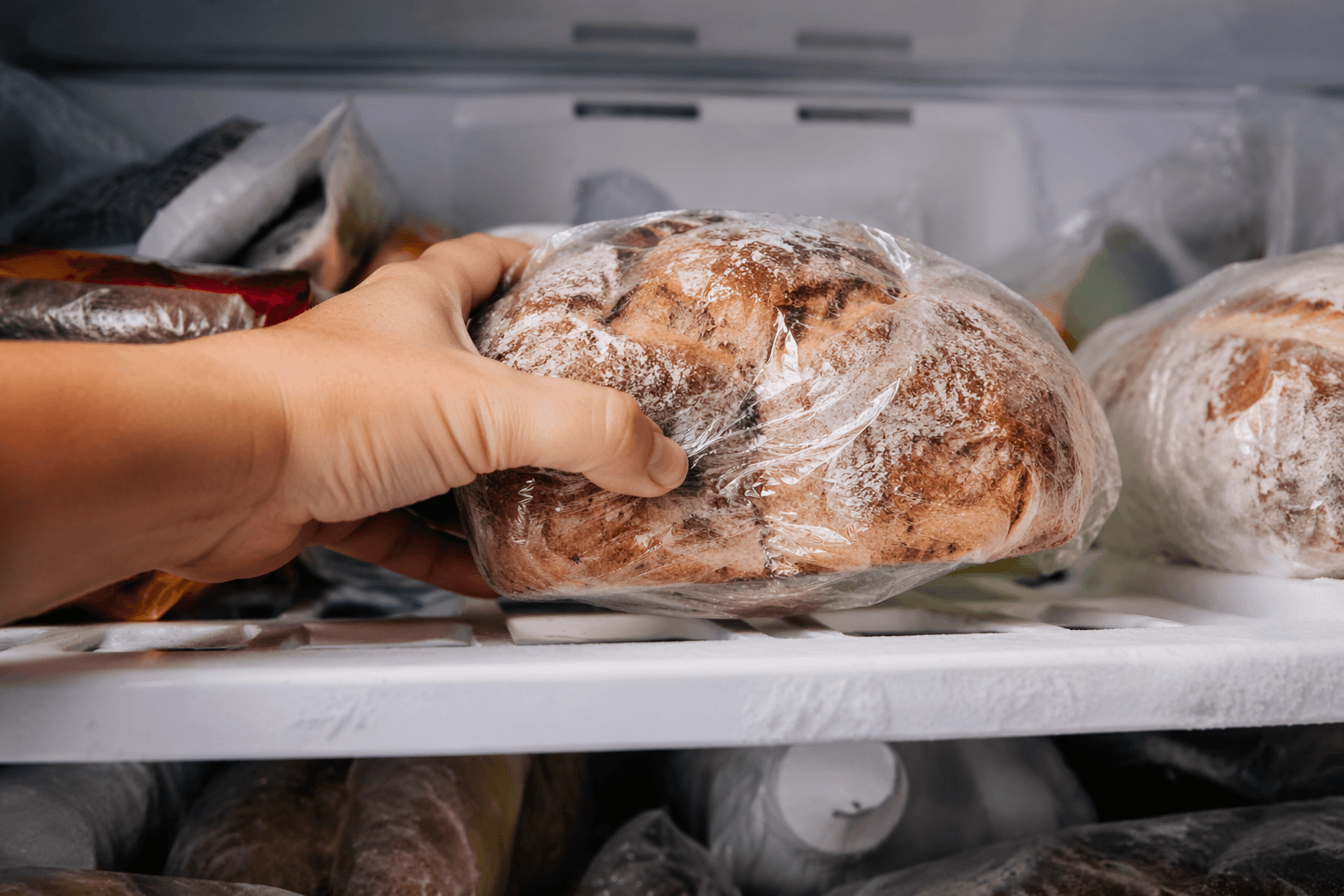
Freezing sourdough is not settling for second-best. If you know a loaf will not be finished at its peak, the freezer is the smarter move, because sourdough’s structure and acidity help it hold onto flavor and softness far better than most breads.
That is good news for weekend bakers, small households, and anyone who brings home a fresh loaf but does not plan to tear through it in one sitting. The real trick is to cool it completely, package it the right way, and choose between whole-loaf storage and slices based on how you actually eat bread.
Why sourdough freezes so well
Sourdough is one of the rare breads that can go into cold storage without feeling like it has been punished for existing. King Arthur Baking says it is best the day it is baked, but the right storage can keep it fresh longer, and sourdough’s natural fermentation gives it an edge when it comes to staying enjoyable after thawing.
The reason is built into the loaf itself. Sourdough’s lactic acid bacteria produce organic acids and other compounds that slow staling and microbial spoilage. A 2013 summary went a step further, noting that sourdough resists mold because bacteria in the fermentation process convert linoleic acid into a compound with antifungal activity.
That is not just theory. A 2021 study found mold growth on a conventional wheat bread around day 4 or 5, while sourdough did not show mold until day 18 or later. Smithsonian has also reported that sourdough surged in popularity during the 2020 lockdown baking wave, which makes this kind of storage know-how especially useful for people who kept baking after the novelty wore off.
There is also a hard safety angle here. The U.S. Department of Agriculture’s Food Safety and Inspection Service says food in the freezer is safe because freezing slows molecular movement and puts bacteria into a dormant stage. For bread products, quality holds up well for about three months, which lines up with King Arthur Baking’s advice that most bread can be frozen for as long as three months.
How to freeze it without wrecking the crumb
The first rule is simple: let the loaf cool completely before it goes into the freezer. Trapping steam inside a warm loaf is a fast way to create ice crystals, and those crystals can damage the crumb when the bread thaws.
Once it is cool, wrap the loaf in double layers of plastic wrap, then slide it into a freezer bag. Food Network recommends that exact approach for whole sourdough loaves, and it is the best defense against freezer burn and moisture loss. If you bake often enough to have a rotation, this is the step that keeps the second half of the loaf from tasting like the back of the freezer.
A few practical habits make the process even cleaner:
- Cool the bread all the way through before wrapping.
- Use two tight layers of plastic wrap.
- Put the wrapped loaf inside a freezer bag for another barrier.
- Freeze it only after the crust has fully set, so you do not trap steam.
This is where sourdough stops behaving like fragile same-day bread and starts acting like a smart pantry staple. You are not trying to preserve a museum piece. You are trying to keep a good loaf from slipping into stale, wasted bread before you can finish it.
Whole loaf or slices: pick the form that fits your eating habits
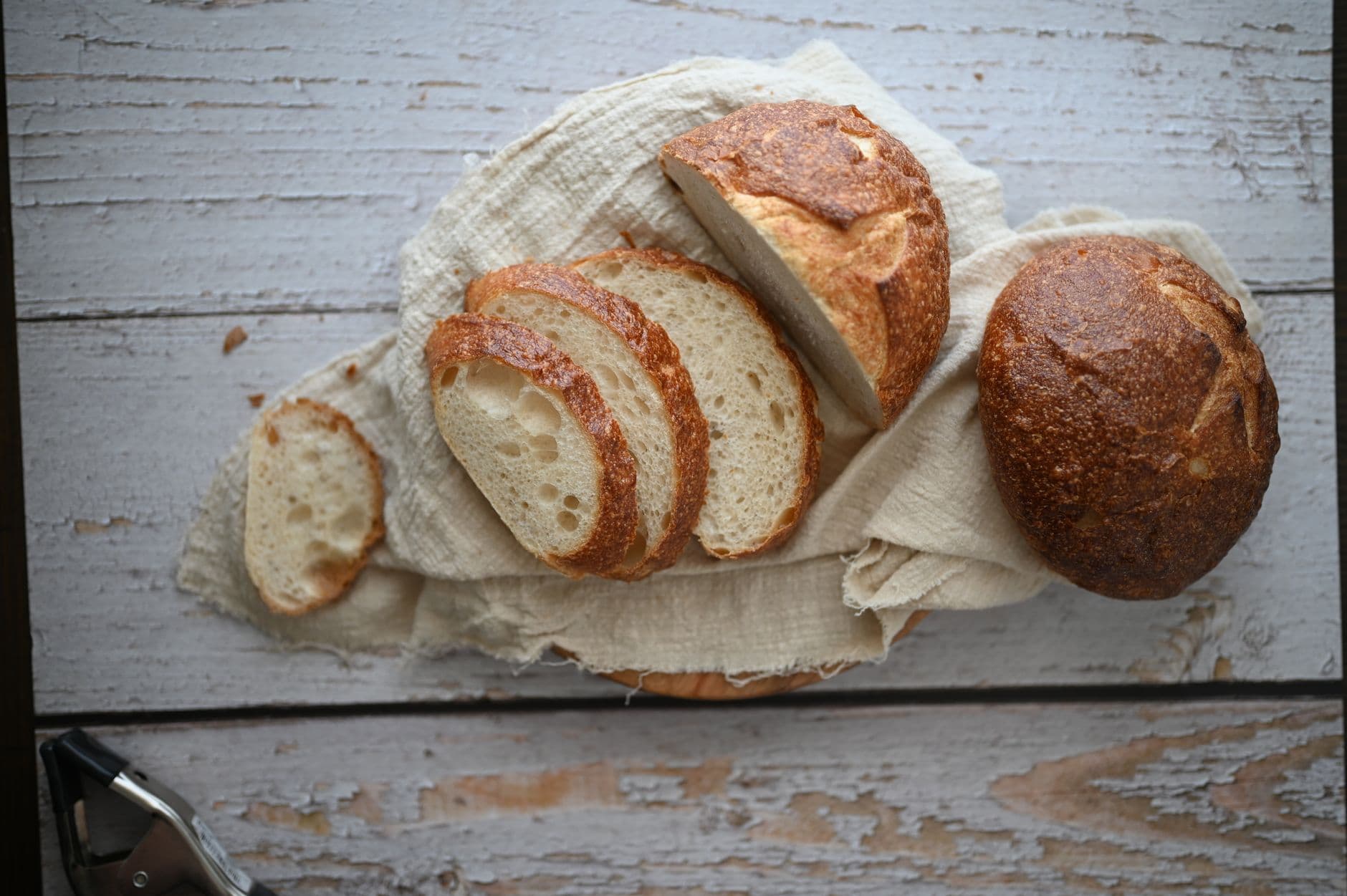
A whole loaf is the better choice when moisture retention matters most. If you baked a tall, crusty country loaf and want to keep the interior as plush as possible, freezing it whole gives you the best shot at that.
Slices, though, win on convenience. Food Network says slicing bread before freezing makes it easier to use only what you need, and that matters if you mostly eat toast or sandwiches. Instead of thawing an entire loaf for two pieces of breakfast toast, you can pull out exactly what you want and move on with your day.
That is why sliced freezing is such a good move for bulk bakers and bulk shoppers. If you bake big batches or buy a bakery loaf when you know the week is already packed, slicing first turns sourdough into a plug-and-play ingredient. It is less romantic than a whole loaf on the board, but far more realistic for a busy kitchen.
The best way to bring it back
For slices, the best reheating method is also the simplest: straight into the toaster. Food Network’s guidance is clear here, and it makes sense because sliced bread does not need a full thaw to become useful again. The toaster revives the exterior quickly while warming the crumb enough to make it feel like bread again, not frozen baggage.
For a whole loaf, the point is different. You froze it to preserve moisture and texture, so the best move is to let it come back as a loaf, then slice it when you need it. That gives you the best chance of keeping the crumb intact instead of drying it out piece by piece.
The key is not to overthink the rescue. Sourdough is already a sturdy bread with enough natural acidity and structure to handle freezing well. If you cool it completely, wrap it tightly, and choose whole or sliced based on how you eat, you are not compromising at all. You are building a workflow that lets one good loaf last longer, taste better, and reach the table instead of the trash.
This article was produced by Prism’s automated news system from verified source data, official records, and press releases, then run through automated quality and moderation checks before publishing. The system is built and supervised by the people who set the standards it runs under. Read our full AI policy.
Did this article answer your question?