Gluten-free sourdough can rise, bubble, and taste like the real thing
Gluten-free sourdough can be real bread, with tang, structure, and chew, if you build the starter right and stop forcing it to behave like wheat dough.
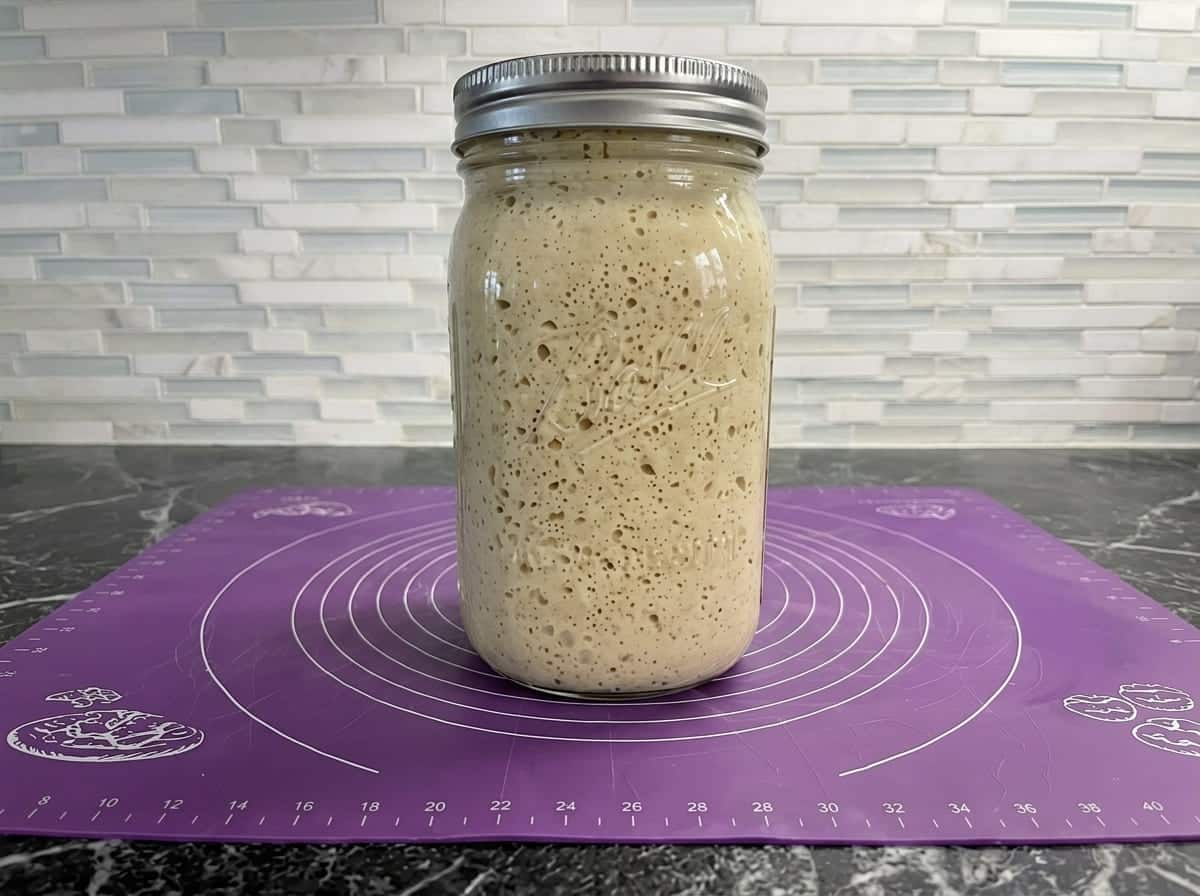
The old gluten-free bread complaint is that it is doomed to be dense, dry, and a little apologetic. Sourdough breaks that assumption fast: with the right starter and handling, it can bubble, rise, and taste like bread you would happily put on the table without qualifiers. The trick is not wheat, it is fermentation, flour choice, and respecting the fact that gluten-free dough needs a different hand.
What makes the flavor happen
Sourdough does not need wheat to work. Wild yeast and beneficial bacteria already live in flour and in the environment around it, and when flour meets water and ferments, those organisms wake up, multiply, and start producing the gases and acids that give sourdough its lift and tang. That means the heart of sourdough is biological, not botanical: the microbes are doing the heavy lifting.
Once you start there, the gluten-free version gets a lot less mysterious. A gluten-free starter can be fed with a gluten-free flour blend, rice flour, sorghum, or buckwheat, and the wild yeast does not care whether the grain contains gluten. King Arthur Baking makes the same point in plain terms: gluten-free starter is possible, and the process is similar to making any other sourdough starter. The flour changes, but the fermentation logic stays the same.
Where gluten-free dough really diverges
This is the part that trips people up. In wheat sourdough, gluten gives you stretch, elasticity, and a built-in scaffold that traps gas as the loaf proof and bake. In gluten-free sourdough, that elastic network is gone, so the dough behaves differently and needs different shaping techniques.
That does not mean weaker bread. It means the baker has to work with a different structure. Instead of assuming the dough will stretch and hold itself the way a wheat dough does, you have to treat fermentation and shaping as support systems. The starter builds flavor and gas, but the final shape depends on how you handle the dough once that gluten net is no longer there to save you.
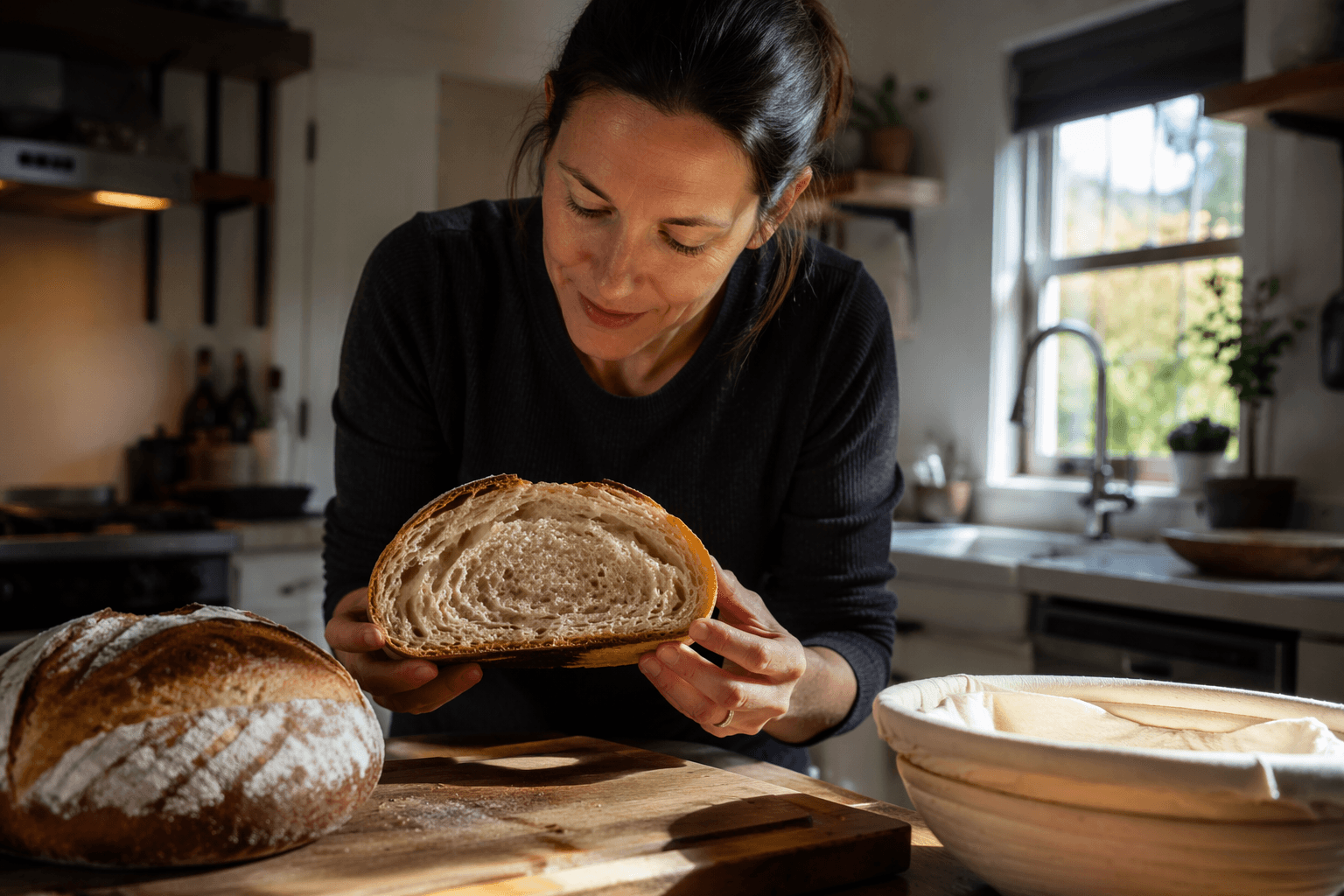
A good gluten-free loaf is not a wheat loaf in disguise. It is a different architecture with the same goal: an open, flavorful crumb and a crust that feels like a real bake, not a workaround.
Why the science backs up the promise
The practical payoff is not just anecdotal. In 2023, research in Foods isolated and characterized wild lactic acid bacteria and Saccharomyces cerevisiae from gluten-free sourdoughs and evaluated them as starter cultures. That matters because it shows gluten-free sourdough is not a novelty trick; it is a functioning fermentation system with its own usable cultures.
Other studies point in the same direction. A 2020 study found that sourdough biotechnology can help solve the technological and nutritional problems that often make gluten-free baking frustrating. A 2019 study focused on sorghum-based gluten-free doughs found that sourdough fermentation with functional starter cultures could improve rheology, texture, and nutritional properties. In plain English, that means sourdough can help gluten-free dough feel less fragile, bake up with better structure, and eat more like bread.
That is the real reason this style works for bakers who are tired of “good for gluten-free” praise. The fermentation is not there just for flavor. It is part of the structure.
How to build a gluten-free starter that actually performs
If you are starting from scratch, the safest move is simple: feed the starter with a gluten-free flour and keep the process consistent. Rice flour, sorghum, and buckwheat are all workable feeding options, and a gluten-free flour blend can work as well. The goal is not to chase novelty, it is to give the microbes a steady pantry and enough time to establish themselves.
A practical starter routine looks like this:
- Use only gluten-free flour from the first feed onward.
- Keep the hydration and feeding pattern steady so the culture can settle in.
- Watch for activity, not just smell. Bubble formation and rise are the proof that fermentation is moving.
- Treat the starter like a living culture, not a dry ingredient.
The main mistake is expecting it to behave exactly like a wheat starter. Gluten-free flours can ferment beautifully, but they may not give you the same dramatic dough window or the same muscular stretch. The win is a culture that is alive, active, and ready to build sour flavor in a dough that does not rely on gluten for its personality.
The safety line still matters
For people who need to avoid gluten for medical reasons, this is not a casual distinction. The U.S. Food and Drug Administration defines gluten-free labeling as less than 20 parts per million of gluten, and its rules cover gluten-containing grains like wheat, rye, and barley. That means a loaf made with gluten-free flour can fit a gluten-free diet, but wheat sourdough does not become safe for celiac disease just because it was fermented.
The Celiac Disease Foundation has spent decades working on diagnosis, treatment, education, and advocacy, and that long view is part of why the label conversation stays serious. The FDA has also continued to look at gluten labeling and cross-contact in packaged foods, which is a reminder that ingredient control matters. In home baking, that means clean tools, clean ingredients, and no shortcuts with shared flour dust or mystery blends.
The payoff for the baker
This is where gluten-free sourdough gets satisfying. The point is not to make a bread that is merely acceptable for a restriction. The point is to make a loaf with real tang, real chew, and a crust and crumb that feel like bread in the first place.
That is why gluten-free sourdough is worth the effort. The starter can ferment, the dough can bubble, and the loaf can taste legitimate. Once you stop asking gluten-free bread to behave like wheat bread and start baking to its own rules, the whole thing makes sense, and the result finally feels like the real thing.
This article was produced by Prism’s automated news system from verified source data, official records, and press releases, then run through automated quality and moderation checks before publishing. The system is built and supervised by the people who set the standards it runs under. Read our full AI policy.
Did this article answer your question?