Gluten-Free Sourdough Cookbook Offers Practical Baking for Restrictive Diets
Gluten-free sourdough is moving from experiment to practical kitchen tool, but only when it starts with gluten-free flour and clear labeling.
A cookbook that treats restriction as a baking challenge, not a compromise
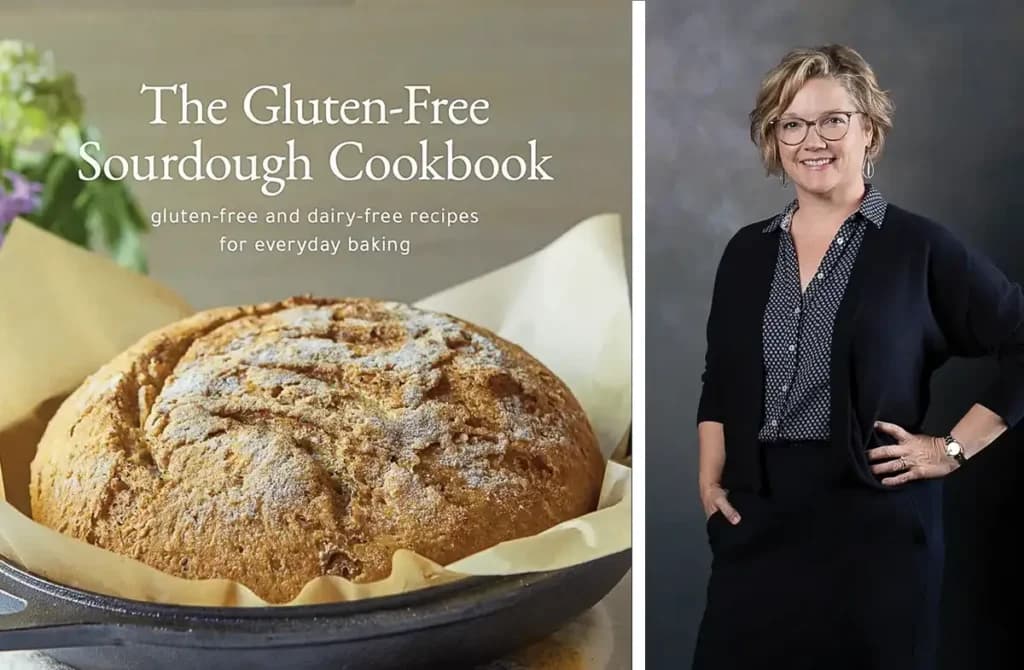
The strongest case for *The Gluten-Free Sourdough Cookbook* is not that it sells a trend. It is that it answers a very specific problem: how to bake breads and sweets that fit gluten-free and dairy-free diets without leaning on bland, overpriced packaged foods. Kasey Lobb’s book, which is built around 35 gluten-free and dairy-free recipes, lands in a category that is expanding fast, but still leaves many eaters stuck between safety and satisfaction.
That gap is real. The global gluten-free products market was valued at $7.7 billion in 2024 and is projected to keep growing through 2034, yet much of that growth has come with shelves full of processed substitutes that are costly and often underwhelming. This cookbook matters because it aims at the opposite direction: from-scratch baking that is meant to taste like something people actually want to eat again.
Why this book fits the moment
Interest in gluten-free and dairy-free baking has grown alongside awareness of celiac disease, nonceliac gluten sensitivity, food allergies, lactose intolerance, and broader digestion concerns. For people with celiac disease, the stakes are especially high. It is a chronic autoimmune disorder triggered by gluten, and the only current treatment is a strict lifelong gluten-free diet.
That is why the U.S. Food and Drug Administration’s labeling rule matters so much to home bakers. A food can only carry a gluten-free claim when any unavoidable gluten in the final product is below 20 parts per million. NIDDK also says people with celiac disease should follow a gluten-free diet with guidance from a doctor or registered dietitian. In practical terms, that means many families need more than recipes. They need a baking approach that is safe, understandable, and realistic enough to repeat on a Tuesday night.
This is where sourdough enters the picture with unusual promise. It is no longer just a rustic bread category or a bakery flex. In gluten-free kitchens, it has become a technique people are reaching for because it can improve flavor and structure while still fitting dietary limits.
What sourdough can actually do
The appeal of sourdough in gluten-free baking is easy to understand. Fermentation brings depth, tang, and better complexity than a plain mix of starches and gums. Scientific reviews also note that sourdough fermentation can reduce gluten in wheat-based products and modify proteins, which explains why some bakers see it as a better-tasting, easier-to-digest route than standard quick breads.
But this is the part that still needs clarity. Sourdough fermentation does not automatically make wheat sourdough safe for people with celiac disease. The distinction is crucial, because the science does not support using fermentation as a shortcut around gluten safety. If the recipe begins with wheat flour, it is still not the answer for someone who must avoid gluten completely.
That is why gluten-free sourdough, properly made, is the credible version of the idea. Coeliac UK’s gluten-free sourdough recipe uses gluten-free flour, which underscores the point: the technique is useful, but the ingredient base has to be right. For celiac households, that difference is not technical trivia. It is the whole recipe.
What Kasey Lobb is offering home bakers
Lobb is not positioned as a trend chaser. She is described as a registered dietitian, plant-based chef, and dedicated gluten-free baker, and a media appearance about the book says she has spent more than 20 years helping clients with food sensitivities and autoimmune conditions. That background matters because gluten-free baking is full of failed shortcuts, and readers who need results are not looking for inspiration alone.
The book’s range is another reason it stands out. Publisher listings say it includes 35 gluten-free and dairy-free recipes, with enough variety to cover everyday baking and the kinds of foods people usually miss most. The lineup includes baguettes, focaccia, sandwich loaves, crackers, scones, naan, biscuits, blueberry muffins, popovers, pizza crust, granola bars, and chocolate cake.
That mix signals something important: this is not a single-method sourdough book built only for loaf bakers. It treats sourdough as a system that can move across breakfast, snack time, dinner, and dessert. For a household navigating restrictive eating, that kind of range is often the difference between a recipe you admire and a book you actually use.
Who will get the most out of it
The review’s practical judgment is blunt, and useful. This cookbook is best for motivated readers who want to make their own gluten-free and dairy-free baked goods, along with sourdough enthusiasts who prefer from-scratch cooking. That makes sense. Anyone hoping for a one-bowl miracle or a dump-and-stir replacement for conventional bread will probably feel the gap between expectation and method.
What Lobb appears to be offering is not convenience, but control. When you bake from scratch, you can choose ingredients that match dietary needs, keep watch on hidden gluten, and avoid the brittle texture that turns so many packaged gluten-free products into one-note stand-ins. For people who have spent years reading labels and avoiding contamination, that control is not a luxury. It is the point.
The real question: is gluten-free sourdough worth the effort?
The answer is yes, with a condition. Gluten-free sourdough seems to be becoming a credible solution when it is used as a technique for gluten-free flour systems, not as a romantic rewrite of wheat bread. It can improve flavor, support more appealing texture, and make homemade baking feel closer to the foods people remember. In that sense, it does offer a practical path forward for restrictive diets.
What it does not do is erase the rules. Celiac disease still requires strict gluten avoidance, FDA labeling still centers on the 20 ppm standard, and fermentation alone does not make wheat sourdough safe. The cookbook’s value is that it respects all of those limits while still trying to make baking enjoyable.
That is why this book deserves attention now. In a market crowded with processed substitutes, it treats gluten-free sourdough as something more useful than a niche experiment: a workable home-baking strategy for people who need bread, crackers, muffins, and pizza crust to be both safe and worth eating.
This article was produced by Prism’s automated news system from verified source data, official records, and press releases, then run through automated quality and moderation checks before publishing. The system is built and supervised by the people who set the standards it runs under. Read our full AI policy.
Know something we missed? Have a correction or additional information?
Submit a Tip