Gluten-free sourdough starts with a strong, patient starter
Gluten-free sourdough fails when you treat it like wheat dough; the fix is a patient starter, different hydration, and readiness cues that fit the loaf.
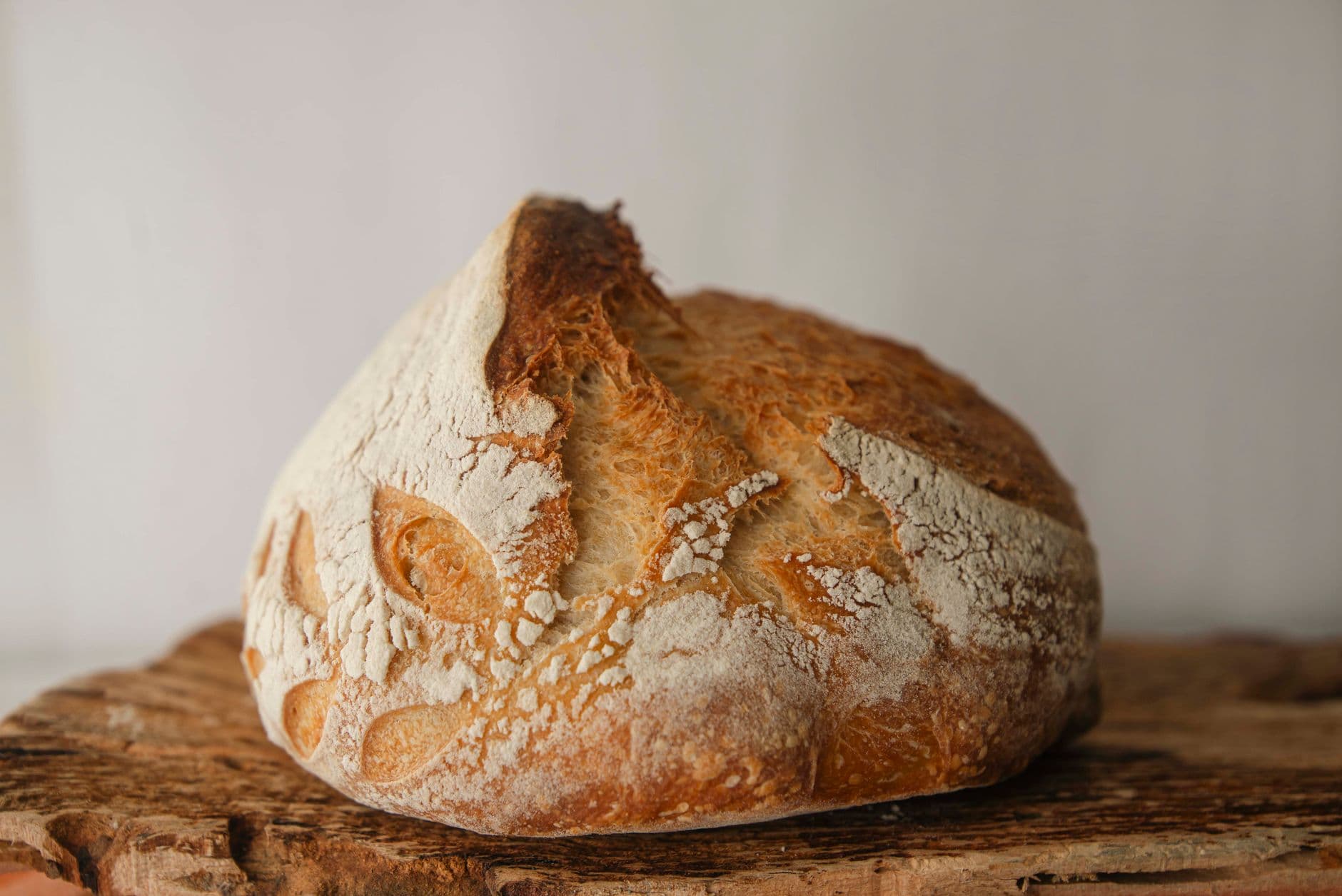
Without gluten, there is no built-in scaffold to stretch, trap gas, and hold the loaf together. Gluten-free sourdough is not wheat sourdough with a different flour, so the rules for fermentation, shaping, and proofing all change at once.
Why the wheat loaf playbook breaks here
In a wheat loaf, gluten does a lot of hidden labor. It gives the dough elasticity, helps it retain gas, and keeps the crumb from collapsing while fermentation does its work. In gluten-free dough, that support system is gone, which means the baker has to rely on starter strength, fermentation timing, and careful dough handling instead of expecting the dough to self-correct during shaping.
That is also why sourdough flavor and gluten-free safety are not the same thing. Beyond Celiac is clear that wheat-based sourdough bread is not automatically gluten-free, and Gluten Free Watchdog tested three artisanal sourdough breads for gluten and concluded that wheat sourdough is not safe for people with celiac disease. The label “sourdough” tells you about fermentation, not about whether the loaf is safe for a gluten-free diet.
Build the starter first, and give it time
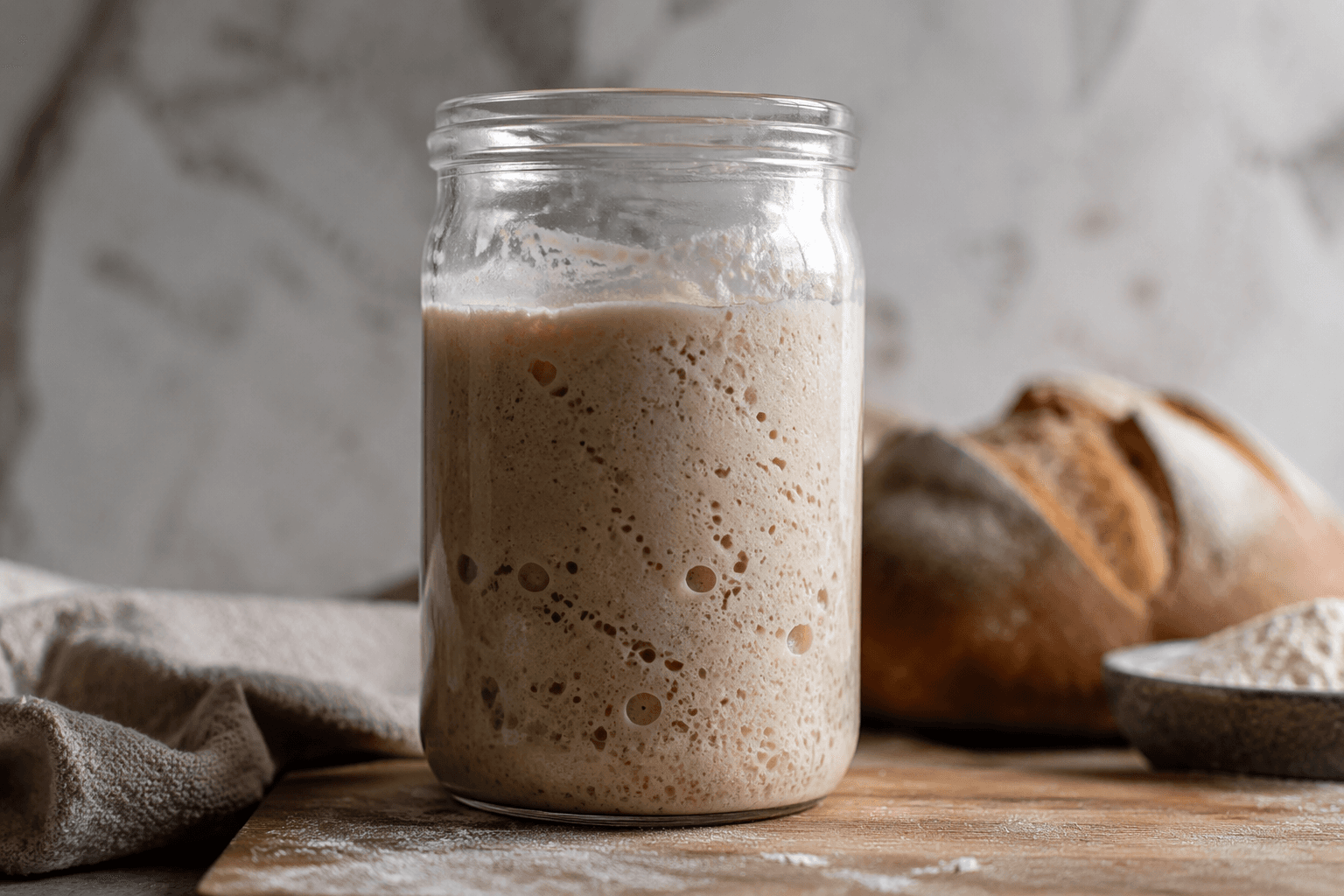
The strongest starter advice in gluten-free sourdough is also the least glamorous: be patient. A healthy starter is what makes good bread, and by Illinois Extension’s measure an established gluten-free starter will double after each feeding and be ready for use once it reaches peak activity in about two weeks or more.
In Kelly Welk’s 14-day gluten-free starter guide, a strong bubbly starter can be built in about 14 days with about 5 minutes a day. Aran Goyoaga puts the mindset shift in one line: “one of the biggest myths in sourdough baking is that it demands rigid timing and constant surveillance.” The goal is to learn what a healthy starter looks like when it is truly active.
A good starter routine here is steady rather than intense. Feed it regularly, watch for doubling after each feeding, and wait for the peak rather than guessing from the clock alone. If your starter has not yet reached that swollen, energetic state after about two weeks, it is still building strength, and forcing it early usually shows up later in a dense loaf.
Choose a formula that can replace what gluten would have done
Once the starter is strong, the rest of the formula has to compensate for the missing structure. Gluten-free sourdough works best when you treat the flour blend as part of the architecture, not just the flavor base. A wheat-flour swap that ignores structure, hydration, and gas retention is usually where the trouble begins.
That is why the practical question is not just “Which gluten-free flour do I have?” but “Which blend can actually support this dough?” The blend has to work with the starter, the hydration, and the shaping method because there is no gluten network to rescue the crumb later. If the dough feels looser or behaves differently than a wheat dough, that is not a failure of technique. It is the expected behavior of a different system.
A 2009 review framed sourdough in gluten-free bread-making as an ancient technology being used to solve a modern issue. More recent work, including a 2025 article on sourdough fermentation and gluten reduction, shows that researchers are still studying how fermentation can help with gluten-related disorders. Peer-reviewed research on gluten-free bread production technology in the context of Kazakhstan addresses nutritional value as well as texture.
Read readiness by fermentation signals, not by gluten cues
The hardest habit to break is looking for wheat-style signs of readiness. Windowpane tests, elastic stretch, and the familiar “this feels like bread dough” instinct can all mislead you when gluten is absent. What matters more is whether the starter is peaking, whether the dough has gained body, and whether fermentation is building structure in the blend you chose.
In practice, that means respecting the starter’s doubling pattern and peak activity instead of assuming more time automatically means better bread. Gluten-free sourdough often benefits from close attention to feeding and timing because the dough itself cannot do the same structural work a wheat dough can. The loaf should be judged by how well the system is functioning together, not by whether it imitates a wheat crumb on command.
Sourdough education in this space tends to focus on process, not myth. The old idea that you need constant surveillance is exactly the wrong lesson to carry into gluten-free baking. What you need is a repeatable routine, a starter that reliably doubles, and the patience to let fermentation reach its peak before you build the dough around it.
Why the field keeps growing
Grand View Research estimated the U.S. gluten-free products market at USD 2.27 billion in 2024 and projected a 9.7% compound annual growth rate from 2025 to 2030. Grand View Research also estimated that global demand for gluten-free products increased by 16% between 2018 and 2022, and a 2024 consumer study listed gluten-free products among the top 10 food trends.
USDA-funded research at Penn State is studying sourdough starter microbiomes, with the possibility of improving bread quality and safety and potential benefits for people with celiac disease.
This article was produced by Prism’s automated news system from verified source data, official records, and press releases, then run through automated quality and moderation checks before publishing. The system is built and supervised by the people who set the standards it runs under. Read our full AI policy.
Did this article answer your question?