Is sourdough actually healthier, science weighs in on the hype
Taylor Swift made sourdough a pop moment, but the health edge is narrower: fermentation can help, yet flour choice, timing, and portions do the real work.
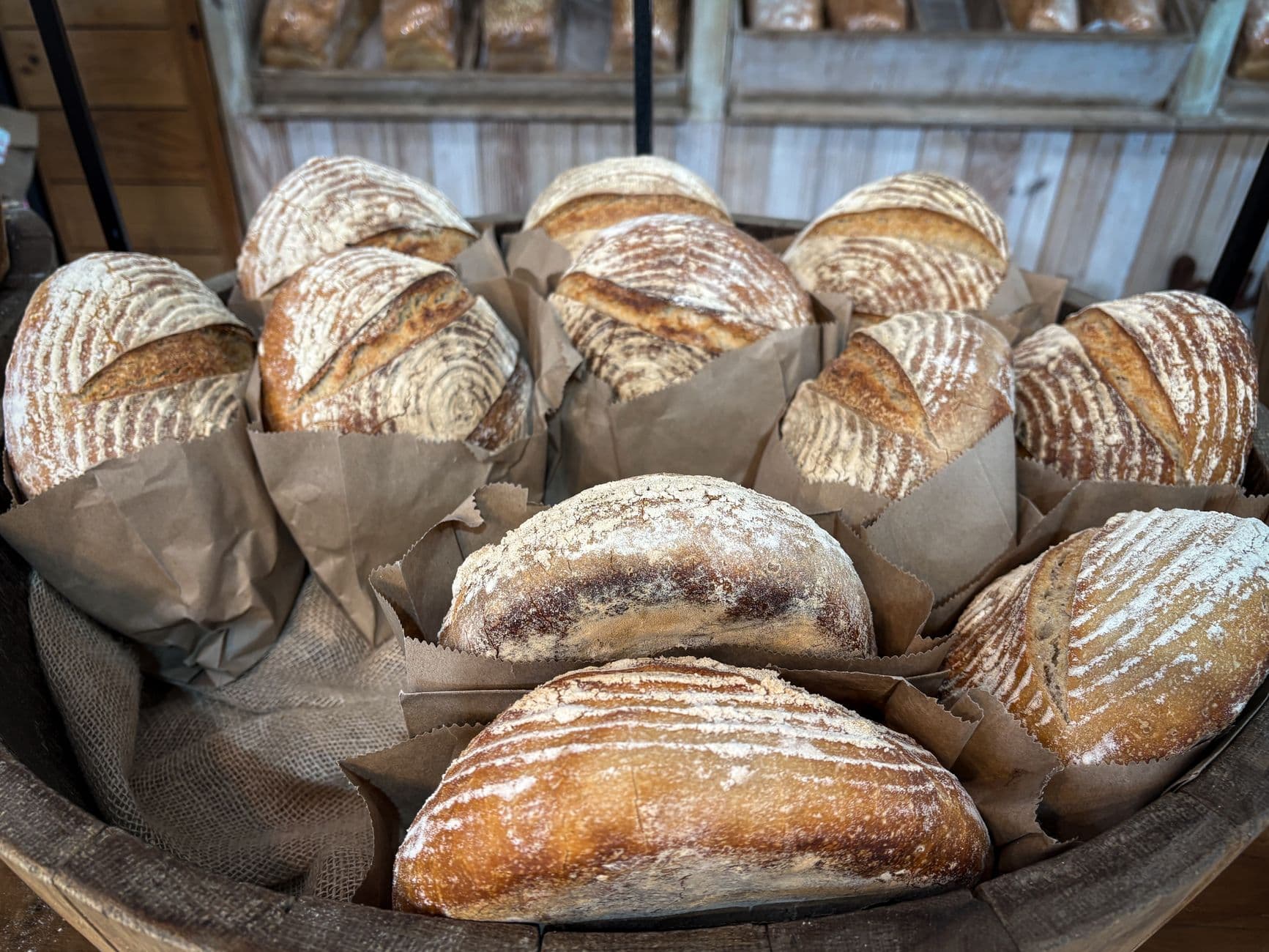
Panera Bread's “The Loaf Story” handed out 13 free sourdough loaves at participating U.S. cafes to mark what it framed as Taylor Swift's wedding to Travis Kelce. Swift has turned sourdough into more than a kitchen hobby, from public comments about baking to gifting loaves and weaving bread imagery into her media rollout. For home bakers, the more useful question is simpler: is sourdough really better for you than standard bread, or just better marketing?
What sourdough changes before it goes into the oven
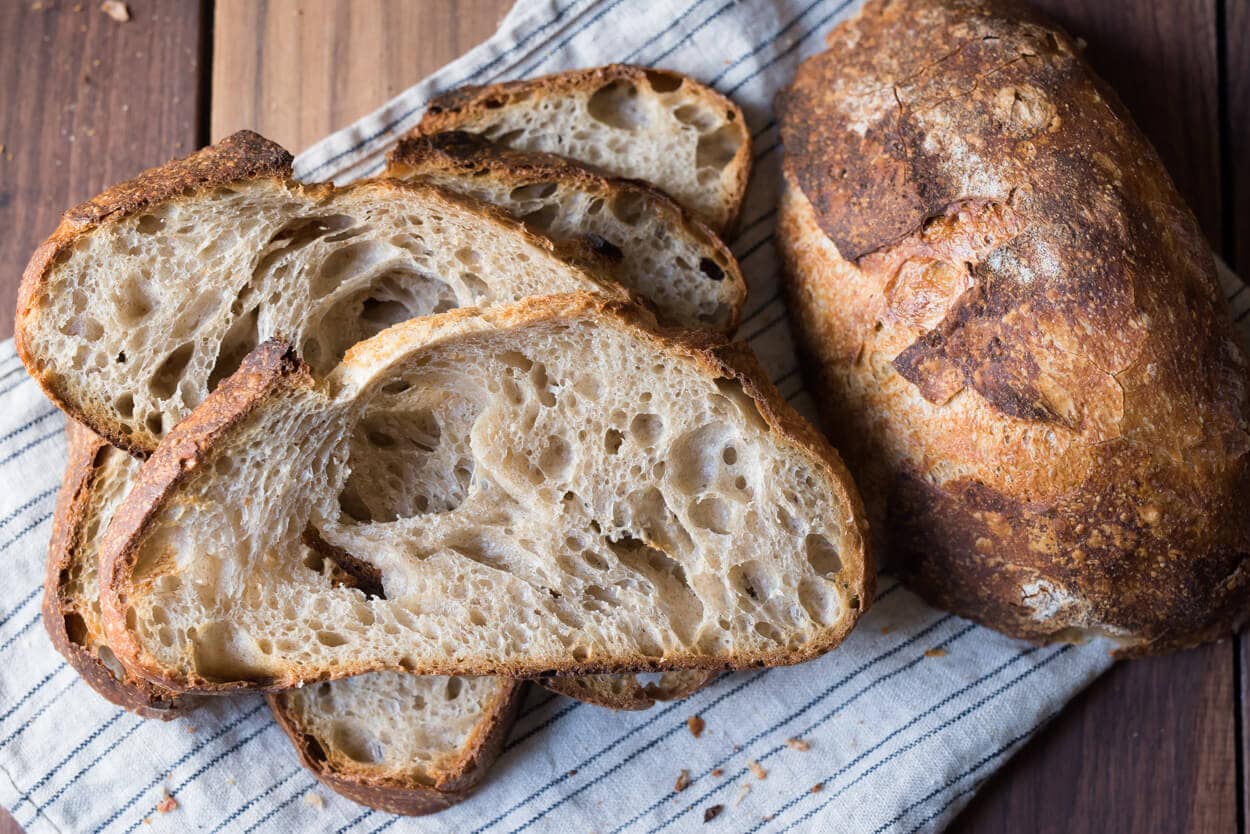
Sourdough is fermented bread, and that fermentation changes the dough before baking in ways standard yeast bread does not always match. Sourdough fermentation can reduce glycemic response and improve mineral bioavailability, which is one reason it keeps showing up in health conversations.
That process may also help explain why some people describe sourdough as easier on the stomach than other breads. Fermentation can break down part of the gluten structure, which may make a loaf more tolerable for people with mild gluten sensitivity. But that does not turn sourdough into a universal health food.
Digestion: helpful for some, off-limits for others
The most common myth around sourdough is that it is automatically gluten-free or safe for everyone with gluten concerns. It is not. Regular sourdough made from wheat, rye, or barley still contains gluten unless it is specifically made and labeled to meet gluten-free standards.
The Food and Drug Administration sets a clear line here: foods labeled “gluten-free,” “no gluten,” “free of gluten,” or “without gluten” must contain less than 20 parts per million of gluten. The agency also estimates that about 3 million people in the United States have celiac disease. For that group, label reading is the whole point, and the Celiac Disease Foundation stresses that gluten-free living depends on careful attention to ingredients and packaging.
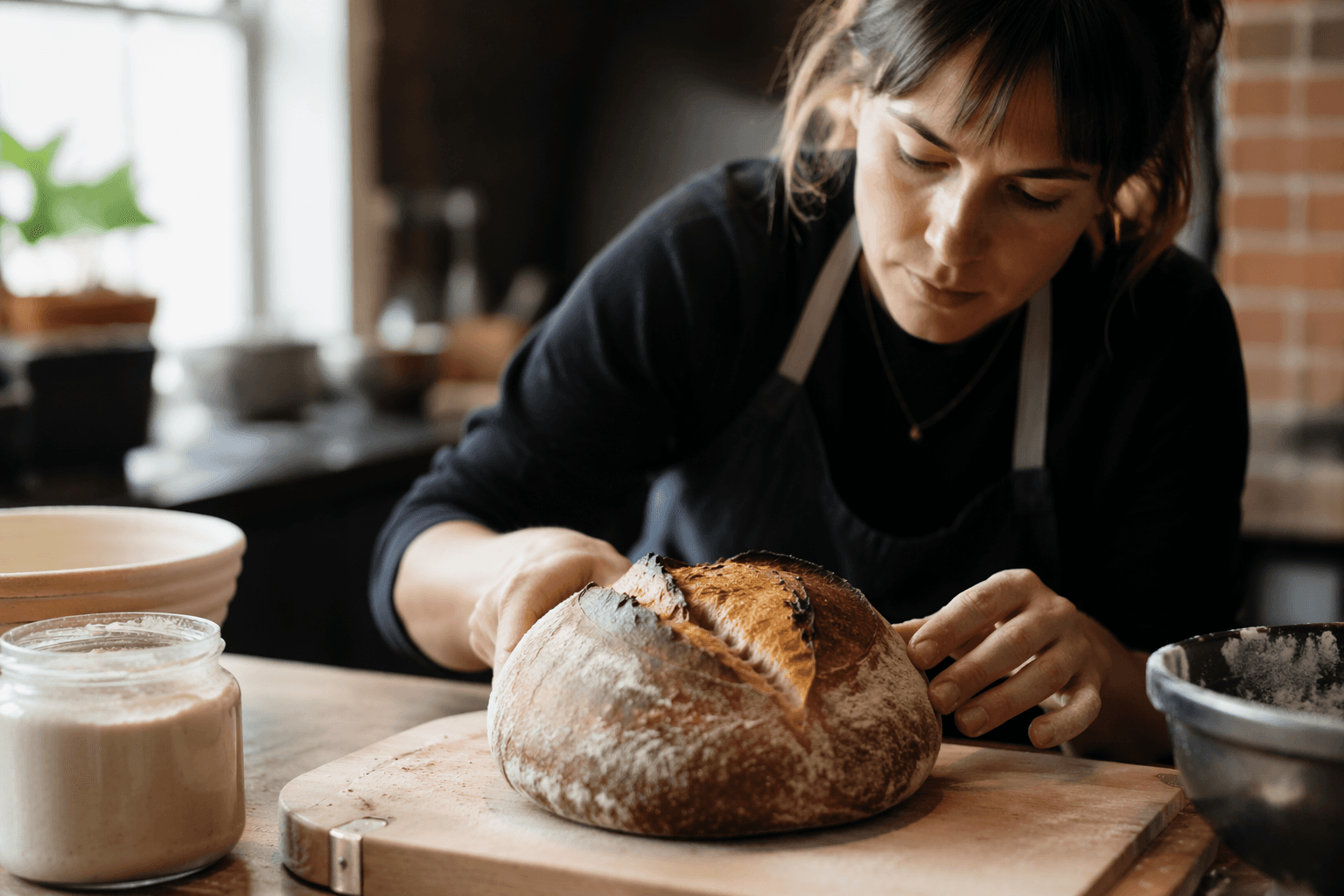
That means sourdough can sit in two very different categories at once. For some people with mild gluten sensitivity, it may feel gentler than standard bread. For anyone with celiac disease, ordinary sourdough still is not safe unless it has been produced to gluten-free standards and labeled accordingly.
Blood sugar: where sourdough may have a real edge
The glycemic index measures how quickly a food turns into blood sugar, and Harvard Health places white bread in the high-glycemic-index group. That is the benchmark most people are really comparing against when they ask whether sourdough is healthier.
Sourdough fermentation can reduce glycemic response, which means some sourdough loaves may raise blood sugar less sharply than many conventional breads. It can also improve mineral bioavailability, another sign that fermentation can change the nutritional profile in useful ways.
The catch is that the evidence is still mixed on how much those theoretical advantages translate into everyday clinical benefits. In practice, that means sourdough is not a magic pass for anyone trying to manage blood sugar.
What actually matters when you bake at home
Long fermentation matters because it is the process that makes sourdough different in the first place. If the dough is rushed, you lose much of what people are hoping sourdough will deliver.
Flour choice matters just as much. Sourdough can improve the sensory qualities of whole grain, fiber-rich, and gluten-free breads, which is one reason it works so well in home baking. A loaf made with more whole grain flour is still a different nutritional animal from an all-white loaf, even if both are fermented.
A few practical points follow from that:
- If you want the digestion and flavor benefits people talk about, prioritize fermentation time over speed.
- If you want a more nutrient-dense loaf, build in whole grain or other fiber-rich flour rather than relying on white flour alone.
- If gluten is a medical issue, do not assume sourdough solves it. Only buy or bake loaves that are explicitly gluten-free and properly labeled.
- If blood sugar is your concern, portion size still matters. A lower-glycemic loaf is not the same thing as a free pass to eat unlimited slices.
The experimental frontier is not the same as the finished answer
There is also genuine research interest in whether sourdough starter microbiomes can help reduce gluten content in bread. Penn State and the U.S. Department of Agriculture National Agricultural Library both address fermentation research aimed at producing celiac-safe bread. That work remains experimental.
This article was produced by Prism’s automated news system from verified source data, official records, and press releases, then run through automated quality and moderation checks before publishing. The system is built and supervised by the people who set the standards it runs under. Read our full AI policy.
Did this article answer your question?