Jakarta bakery turns sourdough into a healthy lifestyle brand
Jakarta’s sourdough boom is less about rustic bread than trust: one bakery turns out 300 to 1,500 items a day while the science behind the health halo stays mixed.
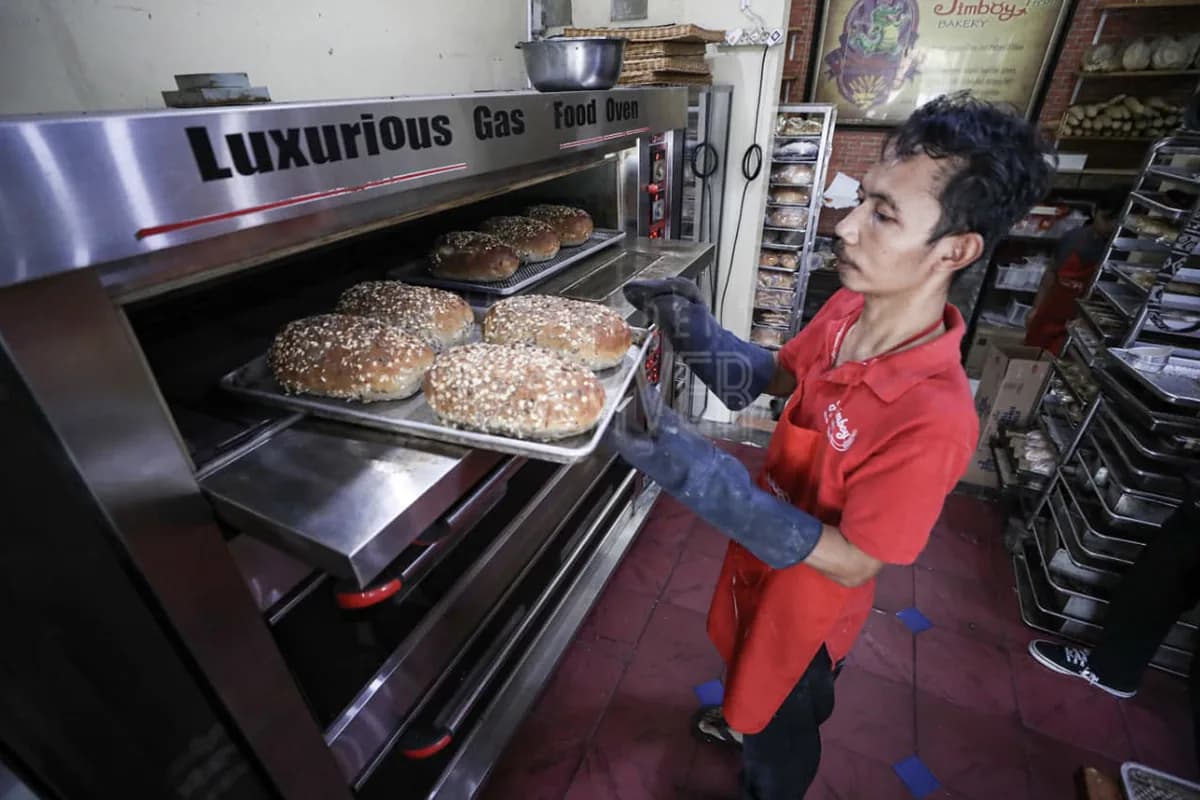
At Sour Dough by Jimboy Bakery, natural fermentation, organic ingredients, and a slower process sell more than bread. The bakery turns a simple loaf into a healthier-sounding lifestyle choice. That message fits the way shoppers are already talking about bread: less processed, easier to digest, and closer to whole-food eating.
Why sourdough gets packaged as a health choice
The health claim is doing a lot of work here, but it is not pure hype. The World Health Organization puts whole grains at the center of healthy diets, and the American Heart Association has long pushed people toward whole-grain products instead of refined grains. In Jakarta’s food culture, sourdough reads as a smarter bread choice before anyone even slices it.
The catch is that sourdough’s reputation runs ahead of the evidence in some areas. A 2023 systematic review found that sourdough fermentation may improve mineral bioavailability and some nutritional properties, but the clinical evidence is still not standardized enough to make broad health claims. A separate 2023 review in Frontiers in Nutrition pointed to a meta-analysis that found no convincing proof that sourdough bread reliably lowers glycemic index or improves glucose homeostasis.
What the science actually supports
Where sourdough does have a stronger case is in how fermentation changes the loaf. Research on low-FODMAP baking shows sourdough fermentation can reduce FODMAP content without necessarily stripping out dietary fiber, which matters for people who are trying to make bread easier on the gut while still keeping it substantial. That is one reason sourdough keeps showing up in conversations about digestibility, especially when the bread is built on whole grains rather than white flour alone.
If you want a loaf that is more likely to deliver real nutritional value, the best signals are boring ones: whole grains, a short ingredient list, and a fermentation process that takes time instead of rushing dough through production. A tart flavor and a rustic crust are nice, but they do not tell you much about fiber, mineral retention, or whether the bread is actually built on better inputs.
- Look for whole-grain flour early in the ingredient list if nutrition is the goal.
- Treat sour flavor as a style cue, not a health guarantee.
- Ask whether the bakery leans on long fermentation, not just sourdough branding.
- If bread is meant to sit well with sensitive digestion, low-FODMAP logic matters more than hype.
How Sour Dough by Jimboy Bakery turns that into a business
Sour Dough by Jimboy Bakery has built its identity around the exact attributes that health-conscious shoppers like to hear: natural fermentation rather than commercial yeast, organic ingredients, and a product line that goes beyond a single standard loaf. The bakery’s process takes about a full day from fermentation to baking.
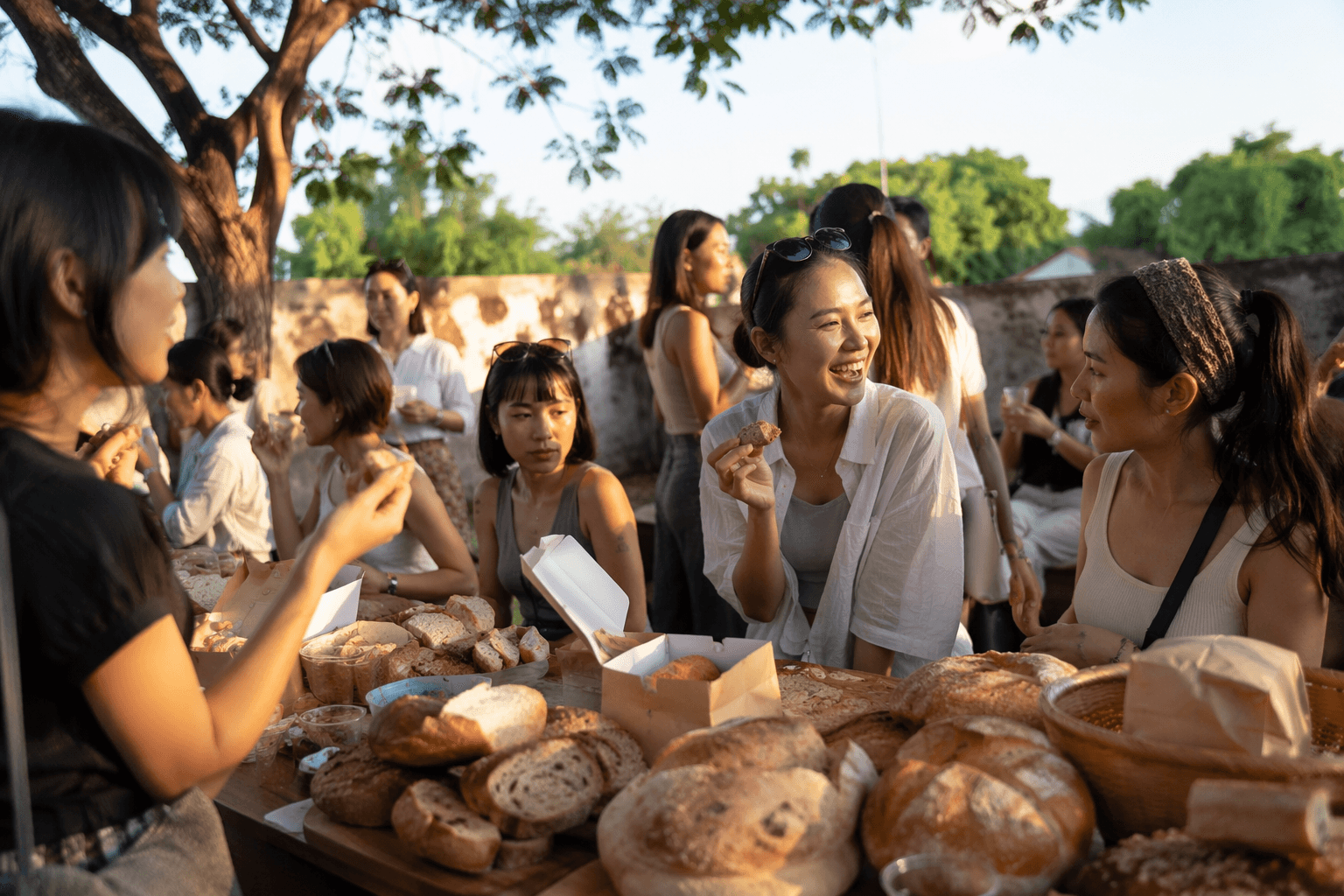
The bakery produces between 300 and 1,500 loaves and pastries a day, which is a serious daily run for an operation built on craft cues.
The menu stretches the sourdough idea well beyond a single standard loaf. French baguettes sit alongside cranberry cheese bread, pistachio kunafa bagels, and sourdough pumpkin doughnuts. Sourdough now covers everything from savory sandwich bread to sweet pastry.
Why the branding works in Jakarta
Jakarta’s bakery scene is now full enough of sourdough specialists that the category shows up routinely in city listings and bakery roundups. Once shoppers see dedicated sourdough shops alongside French-style bakeries, the bread stops feeling experimental and starts feeling normal.
Euromonitor data cited by Lesaffre Indonesia showed APAC bread consumption rising from 8.5 million tonnes in 2017 to 9.2 million tonnes in 2021. A 2026 Indonesia sourdough ingredients market report put the market at about USD 45 to 55 million, with 8% to 10% projected annual growth through 2035.
What makes a loaf worth buying
If you are shopping sourdough with health in mind, the smartest move is to read the loaf the way a baker would. The tang is easy to market; the process is what matters. A bread built on natural fermentation, whole grains, and clear ingredient sourcing is more likely to deliver the qualities people associate with sourdough in the first place, from better texture to more useful nutrition.
The history also adds context without turning the bread into mythology. Sourdough is an ancient fermentation method with roots going back more than 5,000 years. It was later displaced by commercial yeast during industrialized bread production, then revived in the 21st century as consumers rediscovered artisan fermentation, home baking, and fermented foods during the COVID era.
This article was produced by Prism’s automated news system from verified source data, official records, and press releases, then run through automated quality and moderation checks before publishing. The system is built and supervised by the people who set the standards it runs under. Read our full AI policy.
Did this article answer your question?