Mediterranean sourdough starter market set to nearly double by 2036
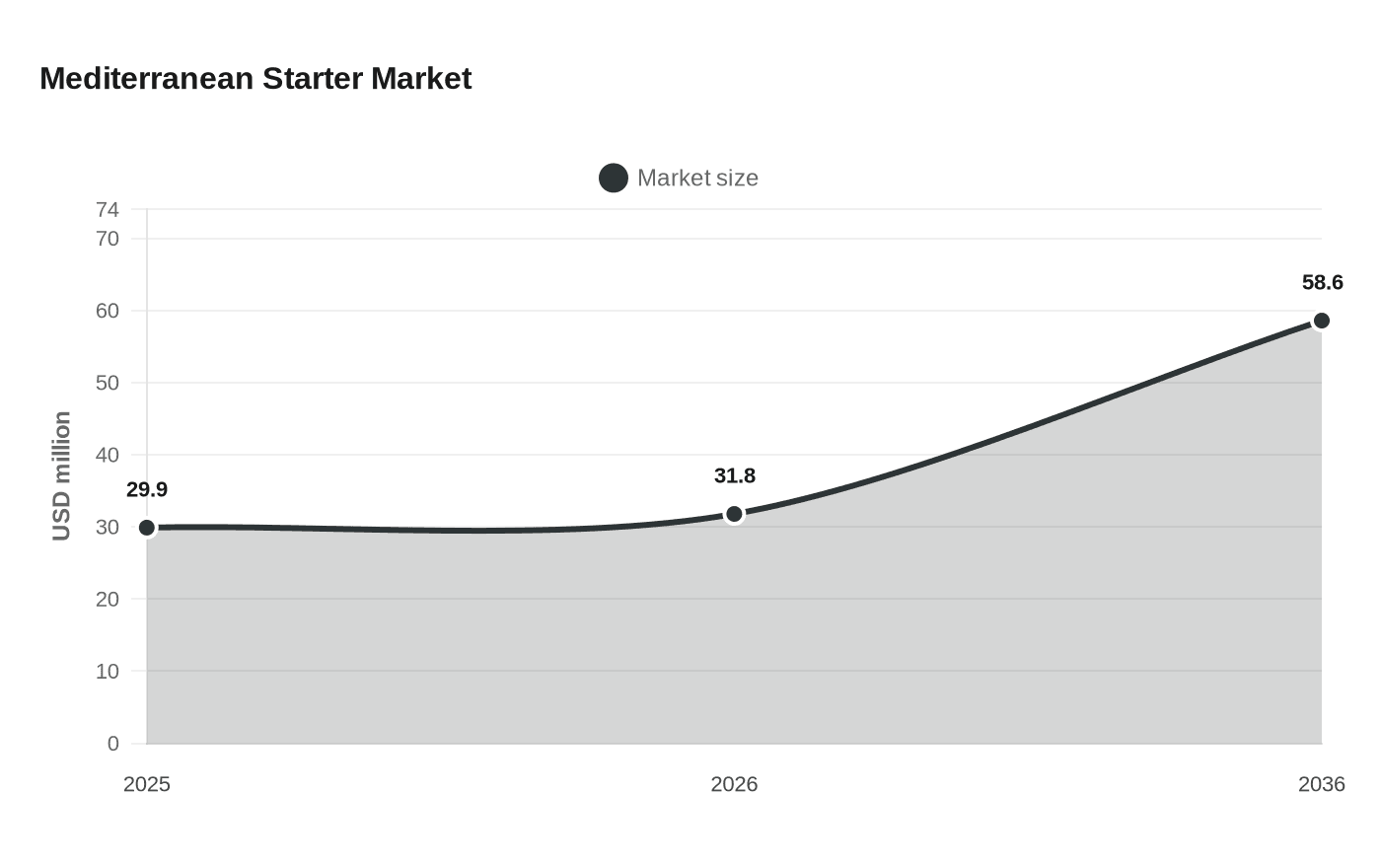
Controlled fermentation is becoming the real sourdough story: a niche Mediterranean starter market was valued at $29.9 million in 2025 and was projected to hit $58.6 million by 2036.

For home bakers, the hardest part of sourdough is rarely the recipe. It is consistency: a starter that peaks on time, dough that behaves the same on a busy weeknight, and flavor that lands where you want it every time. That same problem is now shaping the commercial Mediterranean starter market, where controlled fermentation is moving from bakery curiosity to production tool.
Future Market Insights said the Mediterranean sourdough starter cultures market was valued at USD 29.9 million in 2025 and was expected to reach USD 31.8 million in 2026 before nearly doubling to USD 58.6 million by 2036. The firm put the forecast growth rate at 6.3% a year from 2026 to 2036, with an incremental opportunity of USD 26.8 million over the period. In other words, the market is expanding because bakeries want sourdough’s flavor without the uncertainty that has long come with managing wild fermentation.
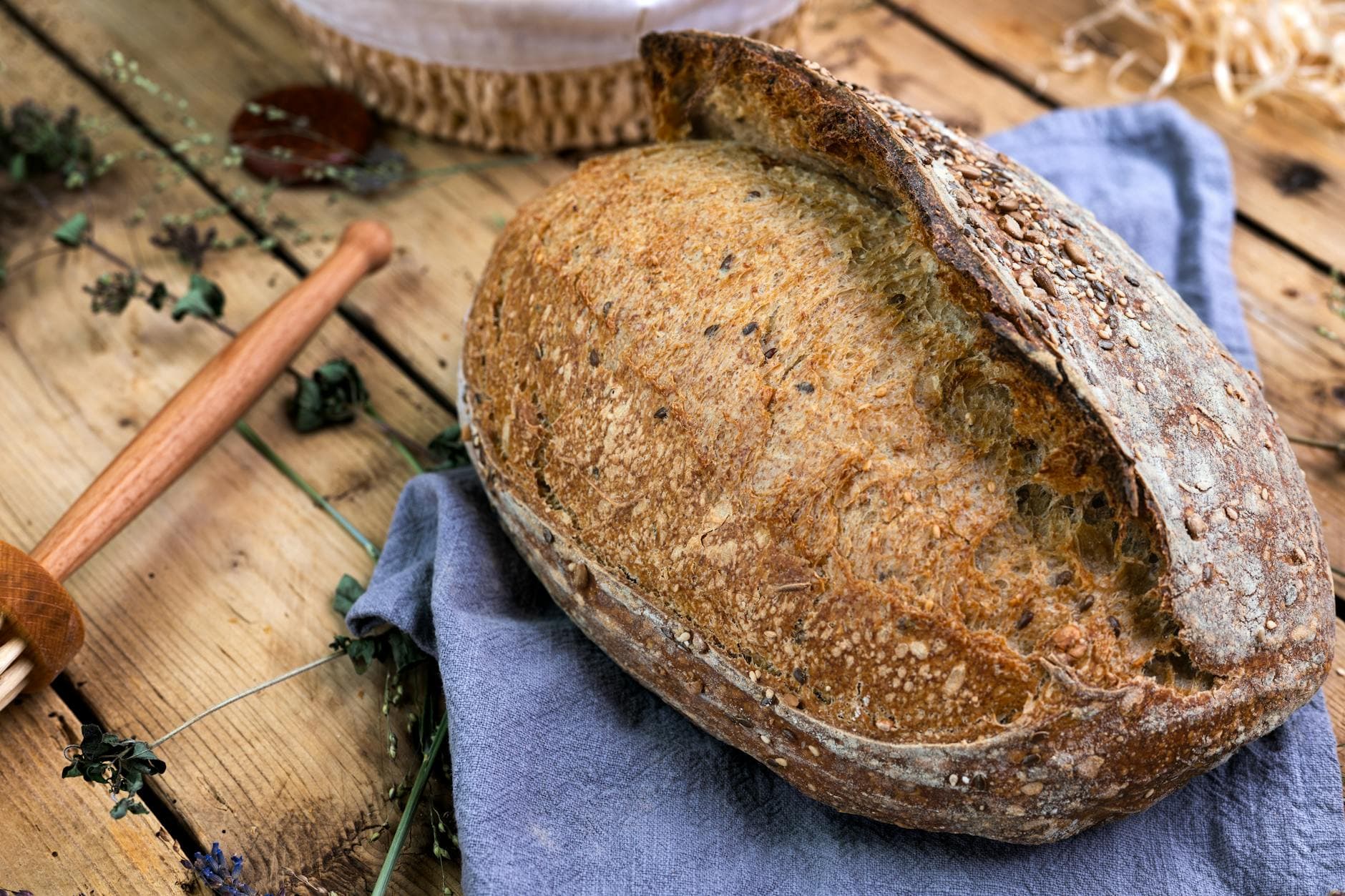
That shift shows up in the segmentation. Type II systems were expected to hold 42.0% of the culture-type segment in 2026, while mixed cultures led the microorganism mix, dry formats led packaging, wheat remained the dominant flour base, and artisan bread stayed the biggest application. FMI also said Türkiye, at 7.2%, and Egypt, at 7.0%, were among the fastest-growing Mediterranean markets, a reminder that the category is tied both to regional bread traditions and to modern bakery demand.
The logic is practical. A separate 2025 FMI sourdough ingredients report said starter cultures and flours together accounted for 20% of the broader sourdough ingredients market, and that bakeries were prioritizing starter cultures for process control, sensory differentiation, and throughput reliability. The structural appeal is clear: commercial systems help bakers manage differences in flour quality, labor skill and production schedules while still delivering the tang, texture and shelf-stable handling that sourdough buyers want.
The science points in the same direction. A 2022 systematic review found sourdough fermentation can improve mineral accessibility and may support the nutrient density of whole-grain sourdough bread. In 2024, researchers in Spain ran a randomized crossover study on sourdough breads with different fermentation times in adults with metabolic syndrome, while a separate study in the American Journal of Clinical Nutrition compared sourdough-fermented and yeast-fermented breads in non-celiac wheat-sensitive adults. Together, those studies show why sourdough keeps winning attention: it is no longer just an artisan badge. It is becoming a controlled, reproducible system built to solve the very variables bakers have always wrestled with at home.
This article was produced by Prism’s automated news system from verified source data, official records, and press releases, then run through automated quality and moderation checks before publishing. The system is built and supervised by the people who set the standards it runs under. Read our full AI policy.
Did this article answer your question?