One sourdough starter shapes B’anne Bakery’s Japantown identity
Edith Pietkiewicz’s 2015 starter is B’anne Bakery’s backbone, shaping the loaf, the pastries, and the Japantown identity customers taste in every bite.
A starter becomes the house style
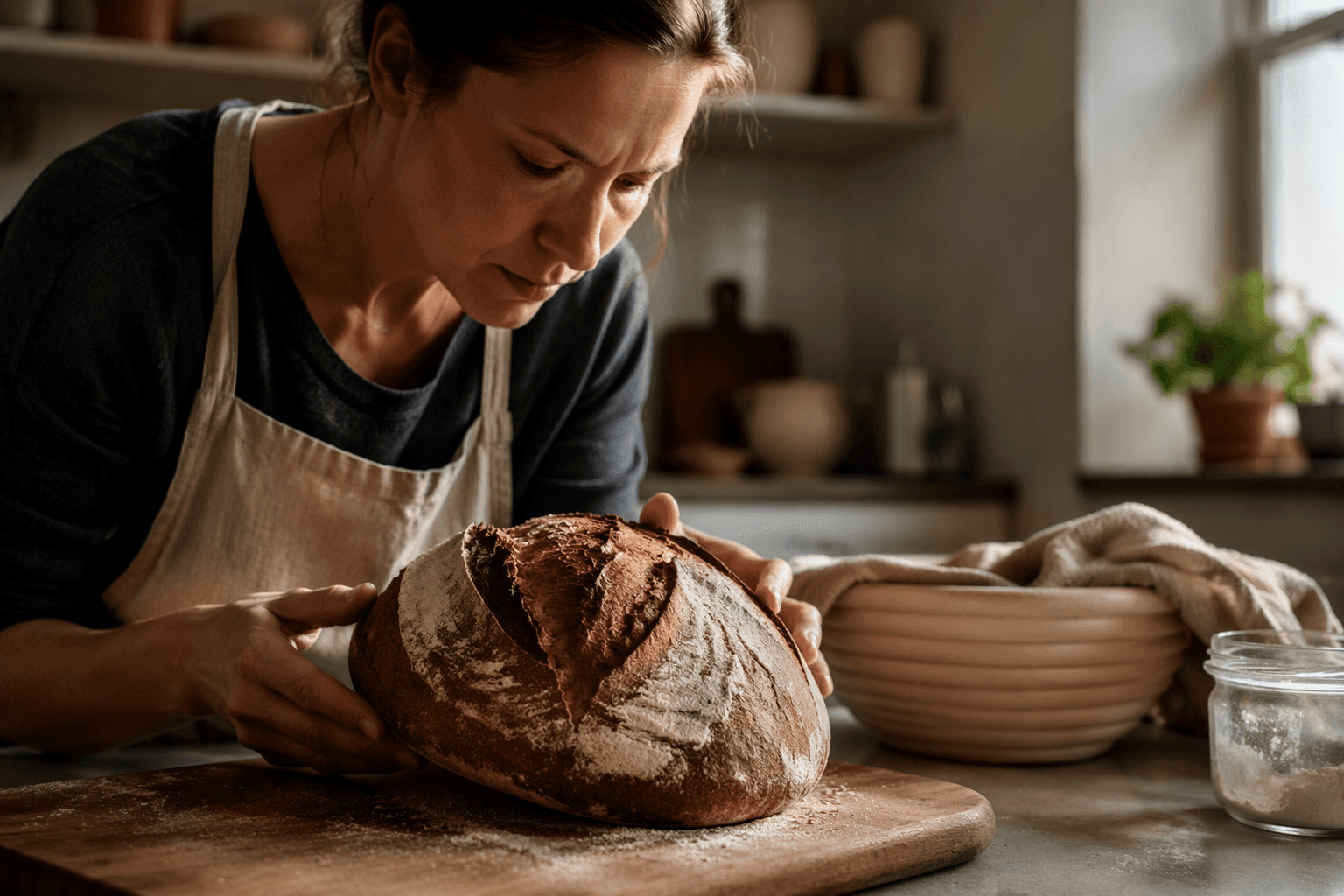
Edith Pietkiewicz did not build B’anne Bakery around pastry cases or coffee. She built it around one sourdough starter she has been feeding since 2015, and that continuity is what gives the bakery its signature. The starter is not just an ingredient here, it is the thread tying together the boule, the chocolate chip sourdough loaf, the sandwiches, and the bakery’s broader identity in San Jose’s Japantown.
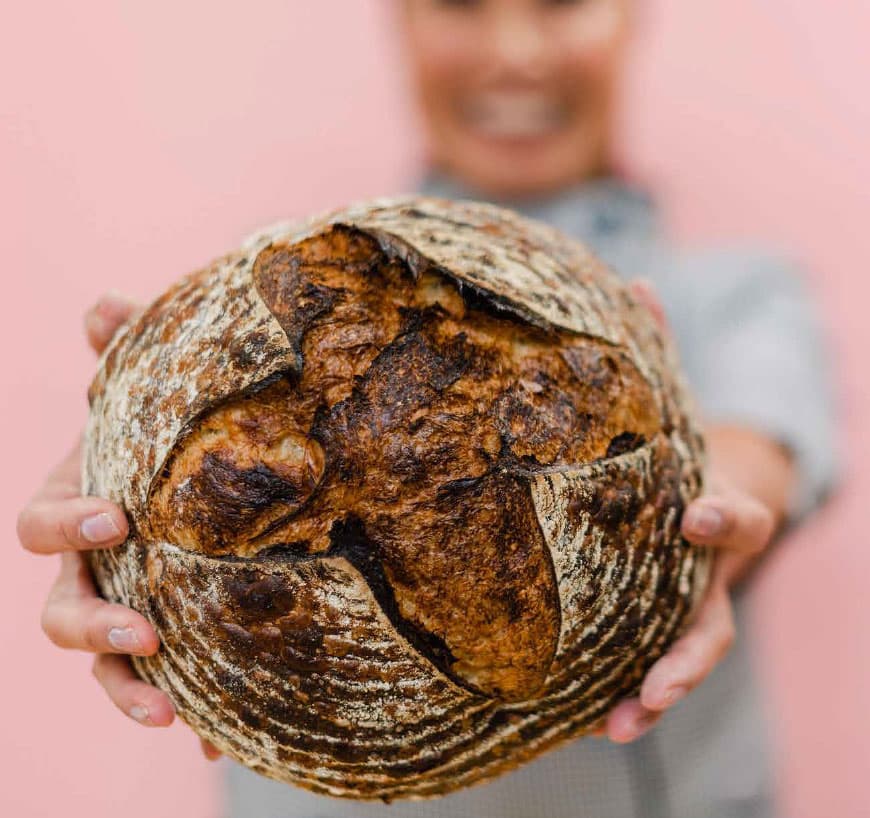
That matters because Pietkiewicz spent years refining her sourdough boule before she ever decided it was ready for sale. The work was slow on purpose, with attention to flavor, texture, and appearance, and the result is a bakery whose bread tastes like a baker made a choice, not a compromise. In sourdough terms, that kind of restraint is the point: the starter is not a shortcut to trendy bread, it is the engine of a brand.
Why the starter matters at B’anne
At B’anne, the starter does more than leaven dough. It creates a recognizable baseline across the menu, so the bread feels cohesive even as it appears in different forms. Pietkiewicz uses it in the bakery’s popular chocolate chip sourdough loaf, while baguettes are treated as a different product entirely, which tells you she is not forcing one formula onto every dough.
That separation is a useful lesson for anyone following a starter-first path. The starter can be the bakery’s backbone without flattening the menu into repetition. At B’anne, it supports both identity and variety:
- The boule is the benchmark, the loaf Pietkiewicz refined until the flavor, texture, and appearance matched her standard.
- The chocolate chip sourdough loaf shows how a starter can carry sweetness without losing structure.
- The baguettes signal technique and distinction, not just another sourdough variation.
- The lunch sandwiches turn bread into a daytime café anchor, so the starter is part of service flow, not just a retail showcase.
That last point is crucial. B’anne does not treat sourdough as a stand-alone artisanal object sealed behind glass. It turns the bread into sandwiches, lunch service, and a full bakery café business, which is how a serious starter becomes operational rather than symbolic.
The training behind the flavor
Pietkiewicz’s foundation comes from craft training, not improvisation. She trained at the San Francisco Baking Institute and apprenticed at Thorough Bread and Pastry, which places her in the long line of bakers who learned to treat dough as a system of time, fermentation, and repetition. The San Francisco Baking Institute, founded in 1996 by Michel Suas, describes itself as the only school in the United States dedicated exclusively to artisan baking, and its Artisan I course includes detailed bread-baking instruction with baguettes made on four out of five days.
That kind of training helps explain why B’anne feels so technically grounded. The bakery’s bread program reads like the work of someone who understands fermentation from the inside out, then applies that knowledge to a neighborhood business. Even the move from a home setup to a full bakery fits the story: Pietkiewicz converted half of her garage with professional equipment before opening, a practical step that signals patience, not hype.
Japantown gives the bakery its setting, and its stakes
B’anne’s location at 224 Jackson Street in San Jose’s Japantown gives the bakery more than foot traffic. The building itself was originally built in 1939 and was once the Tsugaru Sushi Restaurant building owned by the Dobashi family, and over time it also housed a grocery store, Sumitomo Bank, a Japanese restaurant, and a boarding house. That history gives the bakery a visible continuity with the neighborhood, one that makes the starter story feel larger than a single business.
Japantown also carries unusual preservation weight. JTOWN describes San Jose’s Japantown as one of the last three historical Japantowns in the United States, and the only surviving Japantown that remained in its original location. In that context, B’anne is not just renting space in a charming district. It is operating inside a neighborhood whose identity depends on businesses that respect history while still making something new.
What customers actually encounter
The bakery’s public-facing details make the sourdough story even clearer. B’anne describes itself as woman-owned, located at 224 Jackson Street, Suite 100, San Jose, CA 95112, and open Thursday through Sunday from 8 a.m. to 2 p.m. It serves Cat & Cloud Coffee, and its menus include bread, pastries and cookies, lunch, and drinks. That mix matters because it shows how the starter supports an all-day bakery café, not just a bread counter.
For visitors, the most immediate effect is consistency. Pietkiewicz’s long-fed starter helps create the kind of flavor continuity that regulars can recognize across different items, whether they are buying a boule, a sweet loaf, or a sandwich. In a city where a bakery can easily become another coffee stop, B’anne’s bread program gives the place a clearer point of view.
How the bakery scales without losing the starter’s identity
B’anne’s wholesale page shows that the business is already thinking beyond the retail case. It partners with corporations and local restaurants to provide consistent, high-quality baked goods made from scratch using premium ingredients, which means the starter is doing industrial work as well as craft work. The bakery was also hiring for a pastry cook and a prep/hot line cook, a sign that the menu and service model are built to expand.
That is the bigger lesson in B’anne’s story: sourdough can still launch a serious bakery when the baker brings technical training, a patient starter, and a clear identity. Pietkiewicz did not treat her starter as a gimmick or a nostalgia piece. She turned it into a stable flavor system, a production tool, and the most legible part of the bakery’s public identity, which is exactly how a starter becomes a brand.
This article was produced by Prism’s automated news system from verified source data, official records, and press releases, then run through automated quality and moderation checks before publishing. The system is built and supervised by the people who set the standards it runs under. Read our full AI policy.
Did this article answer your question?