Pantry Mama turns sourdough discard into quick, rich gravy
Pantry Mama’s sourdough gravy turns discard into a fast, savory fix, with 5 minutes of prep and 34 minutes total to save dinner from waste.
Why this gravy is a weeknight win
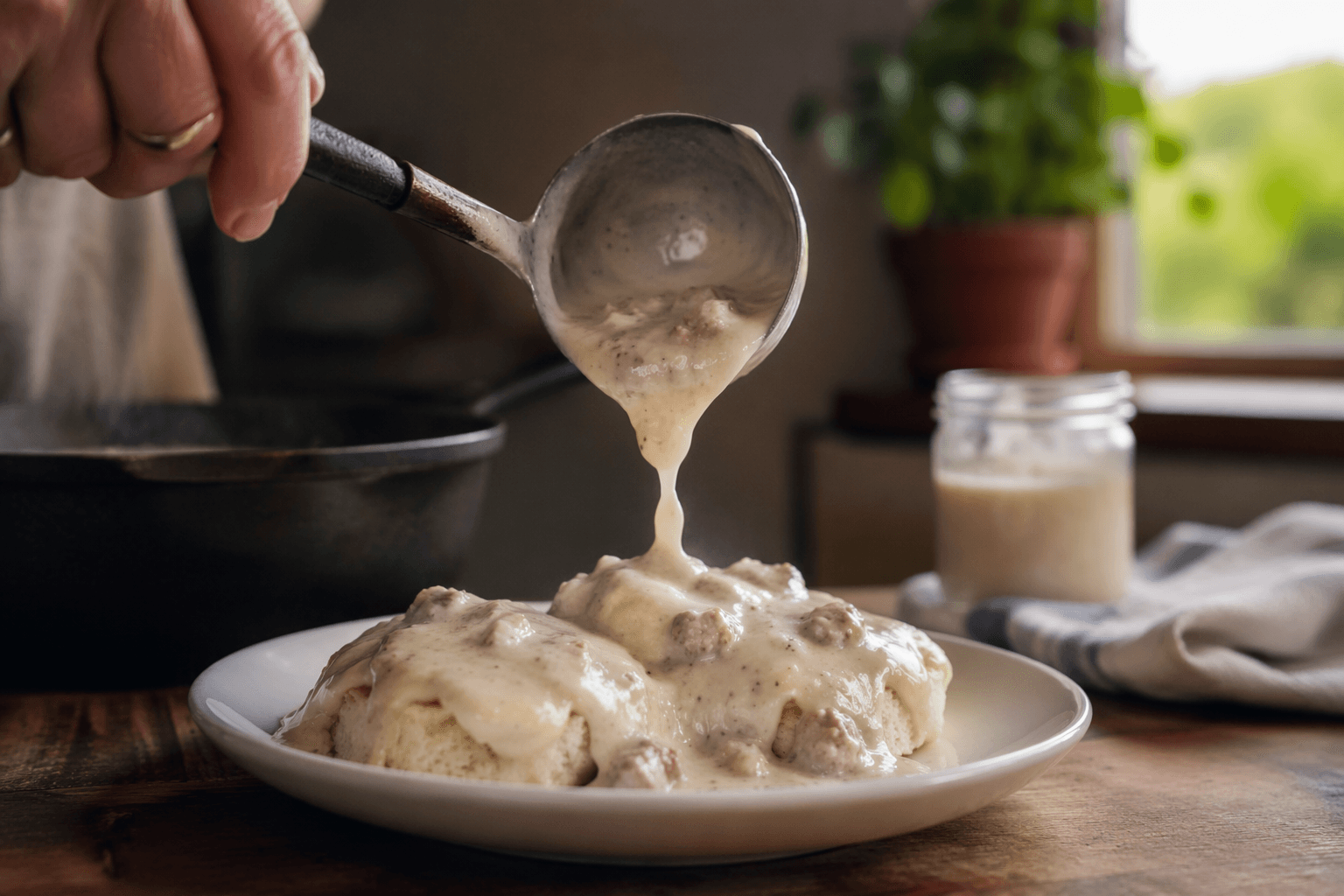
If your sourdough discard usually feels like something you have to explain before you can use it, this recipe cuts straight through that problem. Pantry Mama turns the extra starter into gravy, which is about as practical as discard cooking gets: one move, one pan-style payoff, and a sauce that can anchor roast dinners, holiday plates, or any meal that needs a reliable finish.
That is the real appeal here. This is not another sweet discard bake that lives on the dessert side of the kitchen. It is a savory rescue move, built for the moment when you want dinner to feel pulled together without making the cook’s life harder. The gravy is described as rich and meaty, with a subtle tang and a smoother start than a traditional roux-based gravy, so it earns its place at the table on flavor as much as on convenience.
What you get from the recipe
Pantry Mama’s recipe is deliberately low-friction. It calls for 5 minutes of prep time, 29 minutes of cook time, and 34 minutes total, which makes it realistic for a weeknight and still fully at home beside a roast on a more ambitious meal. The yield is 4 to 5 cups, so this is not a tiny proof-of-concept sauce. It makes enough to cover a family meal or handle a holiday spread without disappearing into the first ladle.
That timing matters because gravy is often the last thing standing between a calm dinner and a frantic one. A recipe that lands in half an hour gives you breathing room, especially if the rest of the meal is already demanding attention. Pantry Mama’s approach keeps the process practical and direct, which fits the brand’s broader focus on helping busy home bakers work with sourdough with confidence and intention.
Why discard belongs in gravy
The smartest part of this idea is the way it reframes discard itself. King Arthur Baking defines sourdough discard as the portion of starter removed during routine maintenance when you feed the culture, and it points out that this removed starter can be used instead of thrown away. That is the everyday reality for sourdough bakers: you maintain the starter so the microorganisms stay healthy and active, and that maintenance naturally creates surplus.
Pantry Mama’s gravy gives that surplus a job that feels useful rather than forced. Instead of sending discard to the trash or compost, you use it to thicken a sauce that is already part of the meal. That is a stronger waste-reduction play than treating discard like a specialty ingredient you only reach for when you feel like baking. It turns the starter cycle into dinner utility, which is exactly where a lot of home bakers need help.
How this fits Pantry Mama’s bigger discard playbook
This gravy is not a one-off experiment tucked into a busy recipe archive. Pantry Mama already has a separate zero-waste guide to sourdough discard, and the site’s recipe index includes a dedicated sourdough discard category alongside loaves, desserts, pizzas, and breakfasts. That tells you the gravy sits inside an established way of thinking about starter management, not a novelty idea thrown together for clicks.
That broader framework matters for anyone trying to keep sourdough from becoming a waste machine. If discard is always treated as a problem to clean up, it becomes easy to resent the feeding cycle. Pantry Mama’s setup does the opposite: it makes discard feel like a pantry ingredient with a place in the week’s cooking, whether you are aiming for a zero-waste starter or just trying to keep your routine manageable.
A savory answer to an old technique
There is also a satisfying culinary logic behind the recipe. Roux has long been the standard thickening method for gravies and sauces in French culinary tradition, built on the familiar combination of flour and fat. Pantry Mama’s gravy does not try to replace that tradition so much as update it with a sourdough-minded thickener that brings its own flavor and texture to the pot.
That is why the result feels familiar but not boring. You still get the comfort and structure people expect from gravy, but the discard adds a subtle tang and a slightly different starting point than a classic roux. It is a modern pantry move that respects the old kitchen logic, which is probably why it works so well for cooks who want their sourdough habit to pay off beyond bread.
How to think about the payoff
FoodPrint’s sourdough discard guidance makes the wider case clearly: there are plenty of ways to use discarded starter to cut waste, including sweet and savory recipes like biscuits, crackers, pancakes, and more. Pantry Mama’s gravy pushes that idea in a more dinner-focused direction. It says the most useful thing you can do with extra starter is not always to bake another snack, but to build something that helps the whole meal land better.
That is what makes this recipe worth keeping in rotation. It is quick enough to use on a regular night, substantial enough to matter on a holiday table, and practical enough to reduce the urge to toss surplus starter just to make room for the next feeding. If sourdough is going to stay part of your kitchen life, this is the kind of recipe that makes the routine feel lighter, not heavier, and turns the jar of discard into the kind of ingredient that actually gets dinner on the table.
This article was produced by Prism’s automated news system from verified source data, official records, and press releases, then run through automated quality and moderation checks before publishing. The system is built and supervised by the people who set the standards it runs under. Read our full AI policy.
Did this article answer your question?