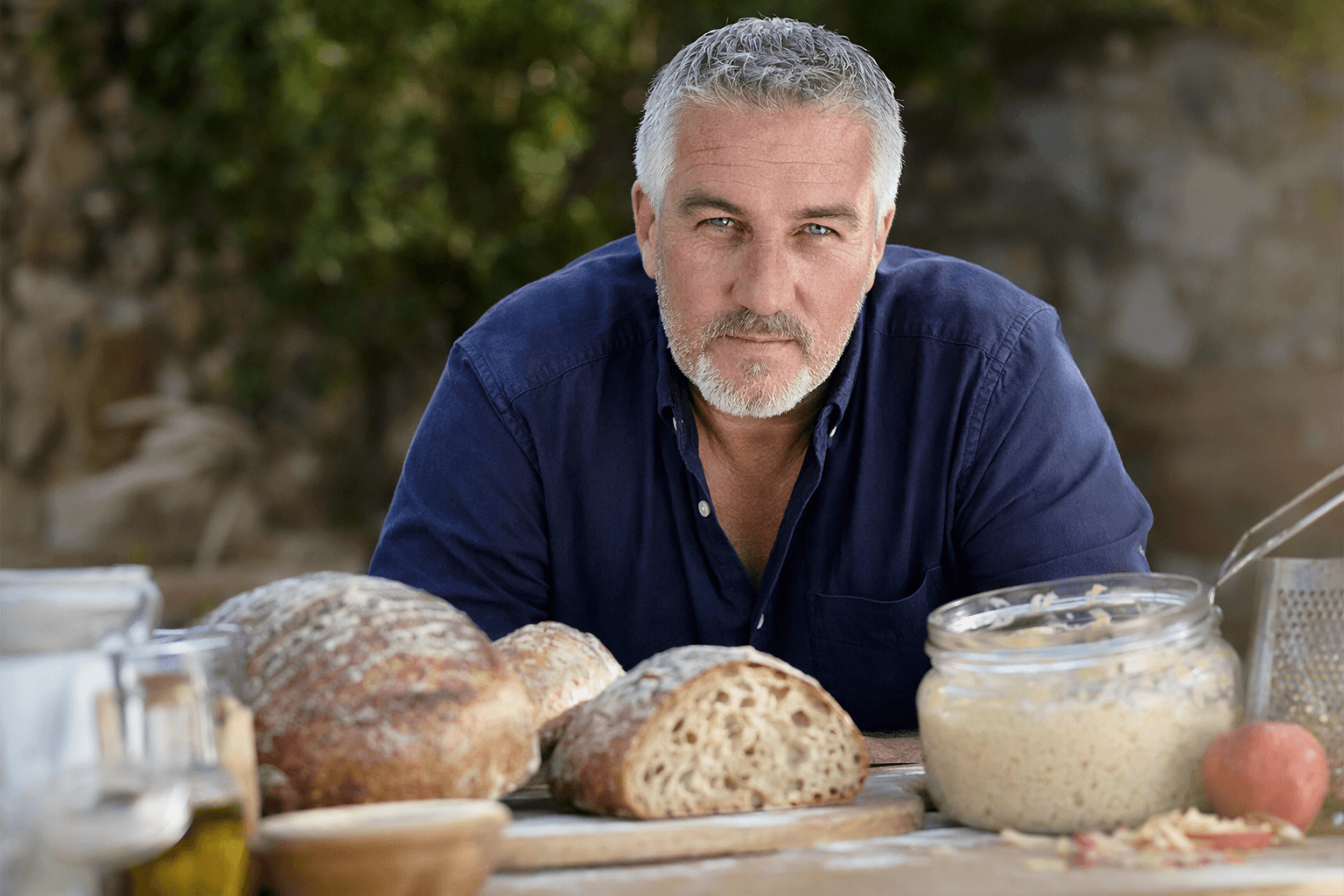
Paul Hollywood’s sourdough tip, add a grated apple to the starter
Paul Hollywood's grated-apple starter is a small tweak with real upside: more microbial activity, softer crumb, and a little more flavor, if you can manage the moisture.

A small fruit tweak with a real sourdough payoff
If your starter needs a nudge, Paul Hollywood’s apple move is the kind of experiment that makes sense at the bench, not just on paper. The idea is simple: grate one organic apple, skin on, into the flour and water mix, then let the starter do the work. The appeal is not celebrity cachet, but the possibility of a starter that ferments more steadily, smells more complex, and bakes into a loaf with a softer, taller crumb.
Hollywood’s own starter method gives the idea a clear shape. His official recipe uses 1 organic apple, grated with the skin on and with the core avoided, plus 500 grams of flour and water to begin. A separate version of the method described in the Yahoo News NZ piece lays out 1 kilogram of flour, 360 milliliters of water and the grated apple, mixed in an airtight container for three days before the first feed. Either way, the point is the same: the apple is not a garnish, it is part of the fermentation environment.
What the apple actually changes
The apple affects the starter in three practical ways: fermentation, moisture and flavor. Fruit brings sugars and compounds that can feed the early microbial population, which can make the culture feel more active in the first phase. It also adds a little extra liquid and pulp, so the mix may start wetter than a plain flour-and-water starter, which can help the culture move along but can also make the dough a touch looser if you are not watching hydration.
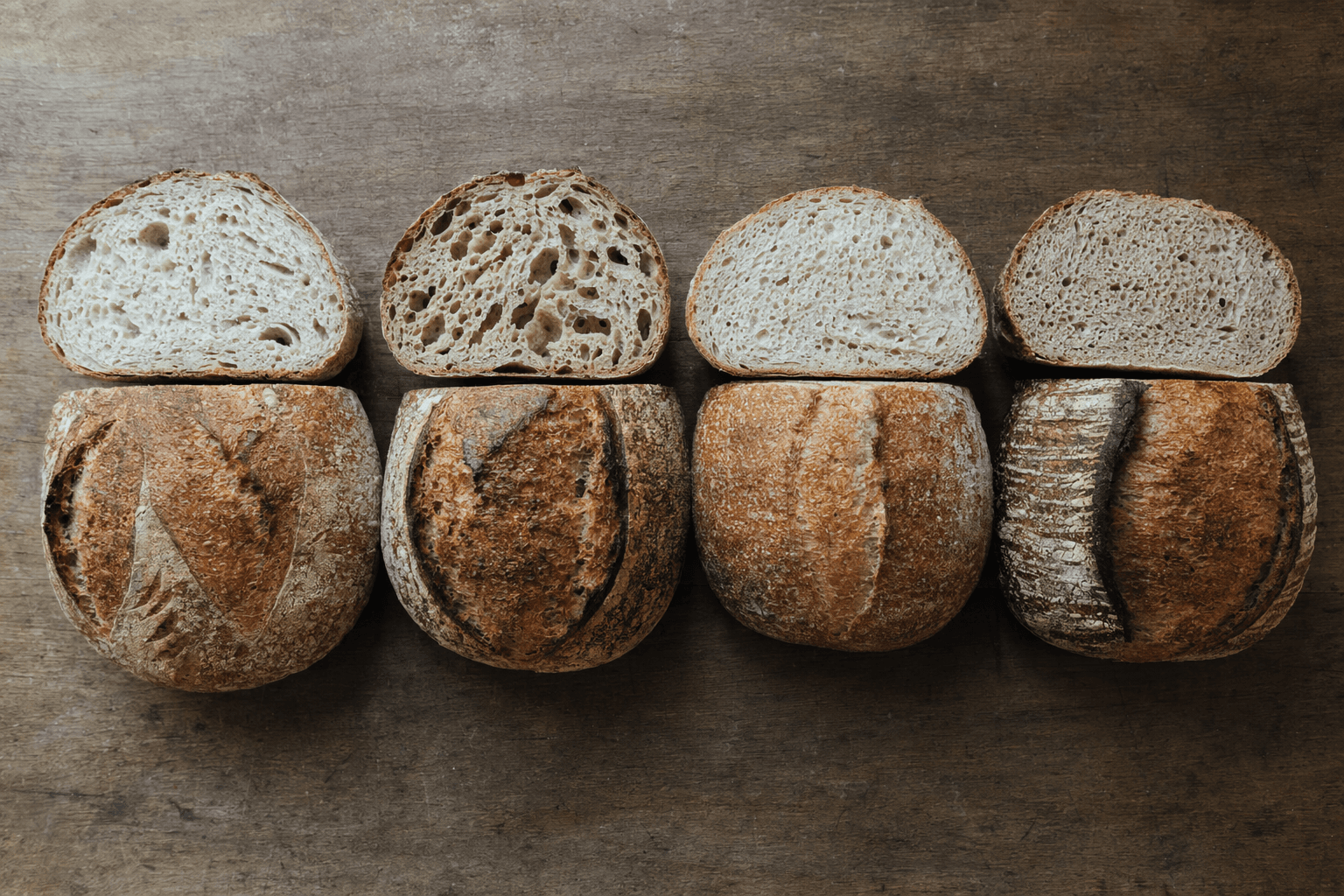
Flavor is the biggest reason bakers will notice the difference. Apple adds subtle fruit sweetness at the start, but the real effect comes later, when the starter’s microbial balance shifts and the finished bread can pick up a rounder, more layered acidity. That is where the crumb comes in. Hollywood’s tip is tied to the idea of softer, taller, more flavorful loaves, which is exactly the kind of trade-off many home bakers want from a starter that is still straightforward to maintain.
Why the science backs up the experiment
The microbiology gives the apple idea some real weight. A 2016 study in Food Microbiology found that adding ingredients such as macerated pears, grape must or honey increased lactic acid bacteria after the first fermentation and lowered microbial diversity in durum wheat sourdough. As the cultures matured, Lactobacillus dominated, making up more than 95% of the Firmicutes in those sourdoughs. In plain baker’s language, the starter became less mixed and more specialized, which can help create a more stable sourdough profile.
That same line of research also found that Acetobacter species were identified only in sourdoughs started with apple flowers or apple pulp. That matters because acetic acid bacteria are not just background noise. A 2024 sourdough genomics study concluded that acetic acid bacteria in sourdough can meaningfully shape sensory notes and bread quality. Put together, the evidence suggests that apple can influence the starter’s balance in a way that changes aroma, acidity and the way the bread eats.
How Hollywood keeps it on track
Hollywood does not treat the apple as a one-off stunt. His own published starter routine is built around a simple maintenance rhythm. After the initial mix, he discards some starter and feeds it daily with flour and water until it doubles consistently. The Great British Bake Off recipe page says the starter can be active by day 5, which gives home bakers a rough timeline for when the culture should start showing real lift.
He also waits for consistency before putting it away. Hollywood says he only refrigerates the starter after it performs well three days in a row. Once chilled, he feeds it twice a week, once the day before baking and once on the day of baking. If he is baking more often, he keeps it on the counter and feeds it every three days. His site also says a refrigerated starter can be preserved almost indefinitely if it is brought back to room temperature before use.
A simple way to use the apple version
- Grate 1 organic apple with the skin on and leave out the core.
- Combine it with flour and water using Hollywood’s stated ratios.
- Keep the mix covered or in an airtight container during the first rest.
- Watch for activity over the first few days, then feed until it is thick, bubbly and jelly-like.
- Chill only after it has shown strong performance for three days in a row.
The Great British Bake Off page adds another useful reminder: once the starter is active, it is not just for loaves. It can also go into cookies or crumpets, which makes a healthy starter more versatile for bakers who do not want to be locked into one project every time they refresh it. And if you bake infrequently, refrigeration slows the starter down so it is easier to manage without constant feeding.
Should home bakers try it?
For a baker who wants a livelier starter with a bit more character, the apple is worth trying. It is especially appealing if your current levain feels flat, if you want a little more aroma in the crumb, or if you like the idea of nudging fermentation without buying anything unusual. The main trade-off is control: fruit can make the mix wetter and a little less predictable, so it rewards attention more than it rewards autopilot.
That is the real value of Hollywood’s tip. The apple does not replace the classic flour-and-water routine, it gives it a useful push. If you want a starter that feels a little softer, tastes a little fuller and still behaves like sourdough, this is a tweak with enough microbiological logic to justify the peel-and-grate experiment.
Know something we missed? Have a correction or additional information?
Submit a Tip