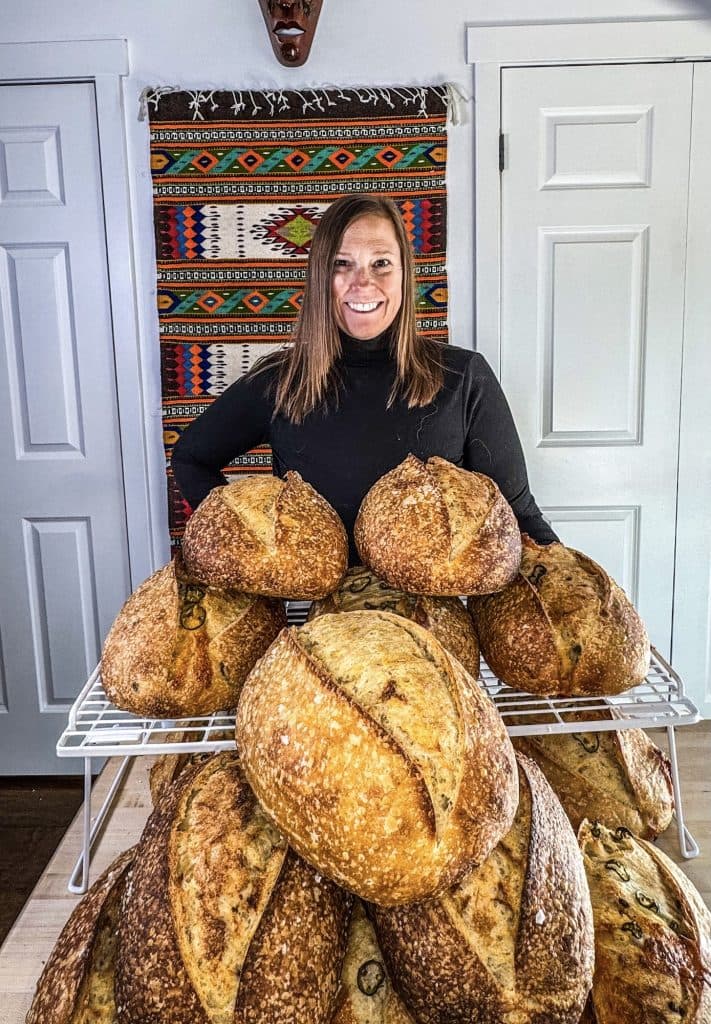
Why the same sourdough recipe tastes different for every baker
Same formula, different loaf: your starter is shaped by flour, hands, and feeding habits, so repeatable sourdough starts with consistency, not chasing one perfect microbe.
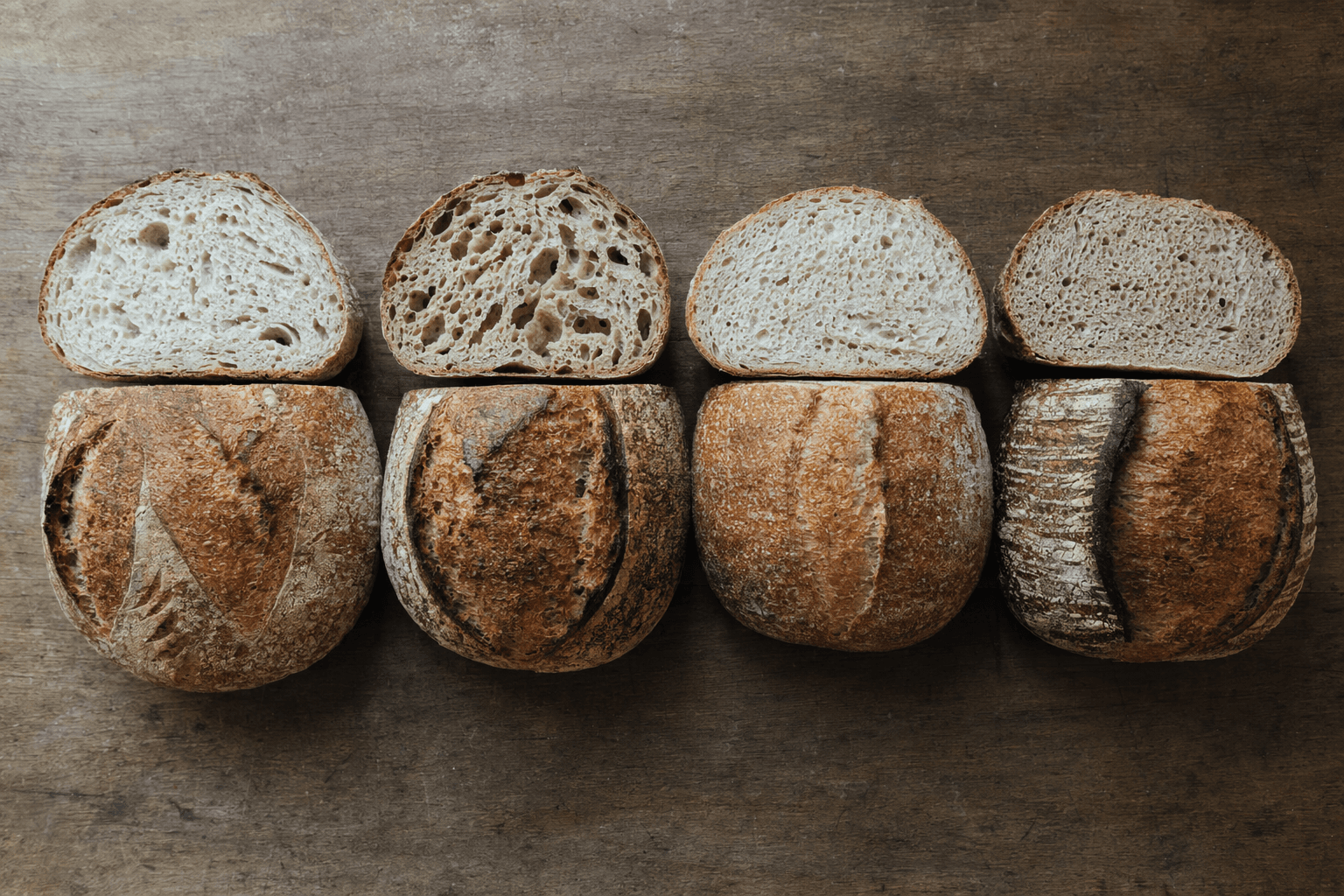
Why the same sourdough recipe tastes different for every baker
If your exact sourdough formula gives you a loftier, tangier loaf than your friend’s, you are not imagining it. Sourdough is a living system, not a dry-mix recipe, and the microbes that settle into your starter can shift rise, acidity, flavor, and texture even when the flour, water, and method look identical.
The starter is the real recipe
Sourdough begins when wild yeasts and bacteria stabilize in a flour-and-water mixture. That microbial community is what makes the bread rise and what gives sourdough its signature taste and texture. Unlike commercial baker’s yeast, which is added in a predictable dose, sourdough depends on the microbes that manage to take hold in your jar and keep thriving there.
That is why two bakers can follow the same formula and still end up with different loaves. The ingredients may match on paper, but the starter is a living ecosystem, and ecosystems do not behave like measuring cups. Once microbes are established, they influence how quickly the dough ferments, how sour the crumb tastes, and how the crust browns.
Your hands matter, but they are not the whole story
One of the clearest studies on this came from a standardized sourdough experiment involving 18 professional bakers. Every baker worked with the same recipe and ingredients, yet the starters turned out highly diverse. The researchers found that much of the starter microbial community came from bread flour, but the differences in starter diversity were also associated with differences in the microbial community on bakers’ hands.
That finding is important because it cuts through one of the most common sourdough myths: that each baker’s personal microbes are the sole signature of their loaf. Your skin microbiome does play a role, but it is only one part of a larger microbial mix shaped by flour and handling. The practical takeaway is simple: your starter is not just “you,” and it is not just the flour either. It is both, along with everything else that touches the dough.
Why geography is not the main culprit
A larger 2021 study looked at 500 sourdough starters from home bakers across four continents, including the United States, Europe, Australia, New Zealand, Thailand and San Francisco. The result was striking: where the baker lives was not an important factor in the microbiology of the starters. The team measured starter aroma, volatile organic compounds and rise rate, and said it was the first large-scale map of sourdough microbial diversity at that scale.
That does not mean location never matters. It means the old instinct to blame your zip code for every batch difference is probably overdone. In a home kitchen, the more useful distinctions are often inside the process itself: what flour you feed, how consistently you feed it, and how stable your handling routine is from day to day.
Flour is doing more work than you think
Newer research has made flour choice harder to ignore. A 2025/2026 study found that different flours can shape bacterial communities in sourdough starters even when the same hardy yeast dominates. In plain kitchen terms, that means your rye feed, your bread flour, and your whole wheat refreshes can all push the starter in slightly different directions, even if the jar on the counter looks the same.
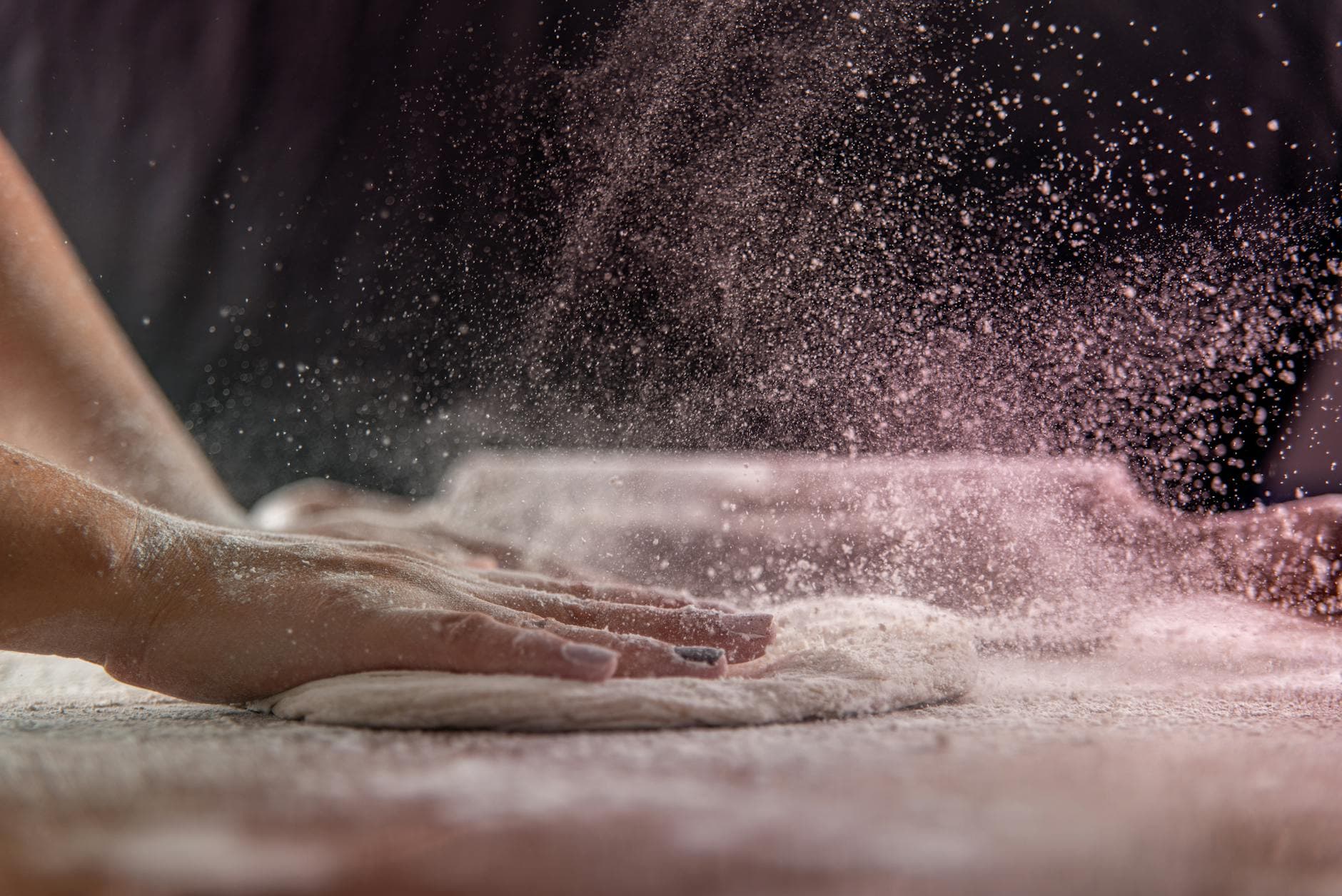
This lines up with earlier research showing that sourdough microbes are influenced by the flour itself, the surrounding air and surfaces, and the hands of the baker. Flour is not just fuel. It is part of the microbial environment, which means swapping brands or grain types can change more than hydration or dough strength. It can change the starter’s behavior and, eventually, the bread’s flavor and texture.
What to standardize if you want repeatable loaves
If you want more consistent sourdough, stop chasing a magical local microbe and start removing unnecessary variables. The science points toward a straightforward home-baking strategy: keep the starter environment as steady as possible.
- Feed with the same flour, or at least the same flour blend, so you are not constantly resetting the microbial balance.
- Keep your feeding rhythm consistent. A starter that is fed on a predictable schedule has a better chance of behaving predictably.
- Pay attention to handling and mixing habits. The hands of the baker matter enough to show up in the research, so changing how much you touch the starter can change what grows.
- Watch the whole system, not just the recipe. Rise rate, aroma and acidity all reflect microbial shifts, not just the amount of water or salt.
This is the practical heart of the research: if you want repeatability, standardize the variables you can control. Flour choice, feeding rhythm and handling consistency will do more for your loaf than worrying about whether your starter has one “perfect” microbe.
A centuries-old fermentation with a moving target
Part of sourdough’s appeal is that it has always been a living tradition. Modern research notes that some starters are preserved over generations, and some samples are described as dating back thousands of years. That history helps explain why sourdough is so stubbornly personal. You are not just baking from a formula. You are maintaining a population that changes, adapts and remembers the conditions you give it.
Researchers including Rob Dunn, Anne Madden, Erin McKenney, Benjamin Wolfe, Elizabeth Landis, Caiti Heil, Angela Oliverio and Beryl Rappaport have helped show how many layers are at work in that jar. The message across their studies is consistent: sourdough is shaped by flour, water, the baker’s hands and the surrounding environment, but it is still your routine that gives it its most repeatable character.
So when two bakers pull wildly different loaves from the same formula, the explanation is usually not mystery. It is microbiology meeting kitchen habits. The starter is alive, and once you treat it like a living system, the differences in crust, rise and flavor start to make perfect sense.
Know something we missed? Have a correction or additional information?
Submit a Tip