Penn State student wins global honor for sourdough digestibility research
Quinn Burnett’s starter study won top student honors in Dublin, putting a hard question in front of bakers: can the microbes in one starter change how bread digests?
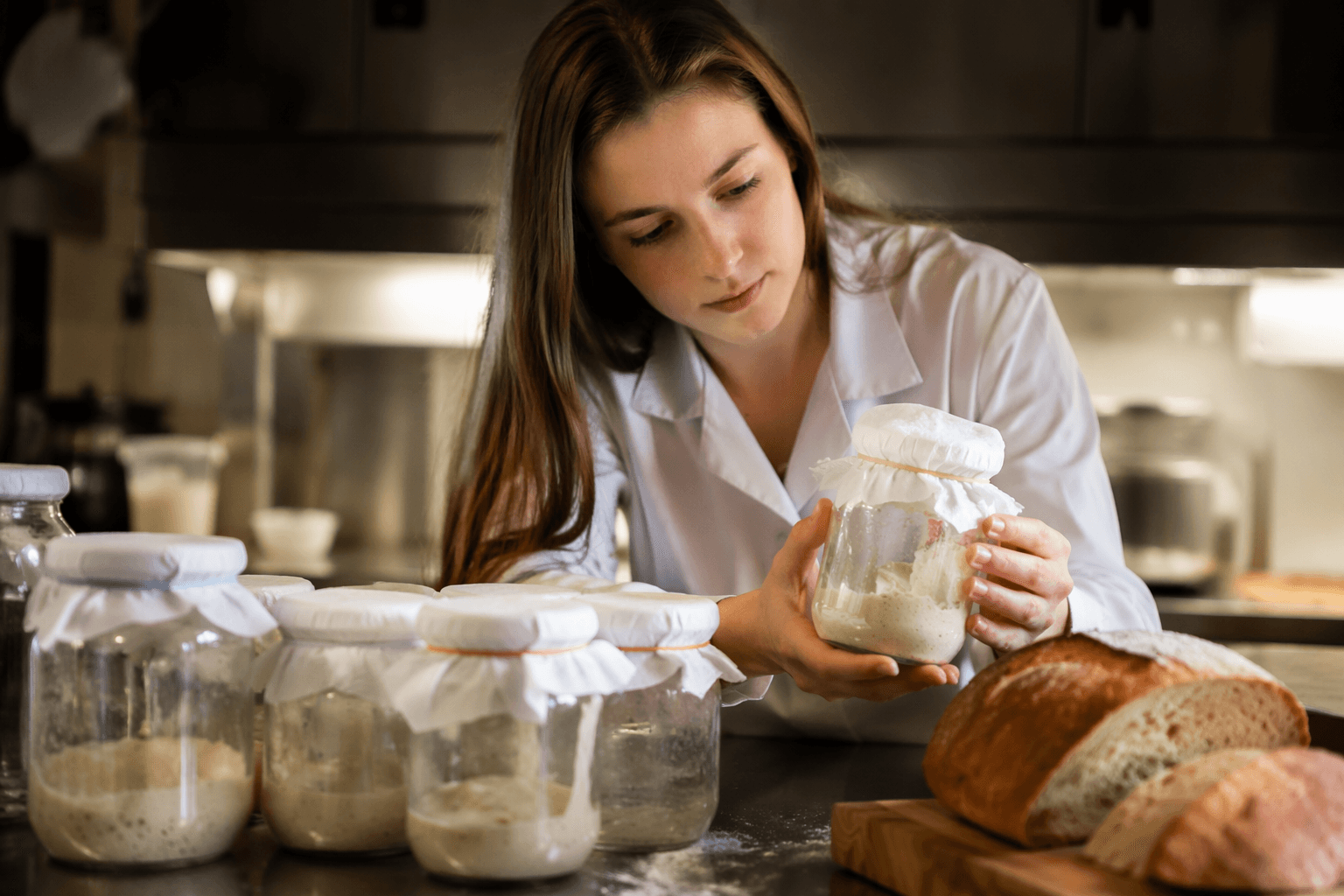
Not every sourdough starter behaves the same, and Quinn Burnett just took that idea to one of the biggest stages in microbiome science. The fourth-year Penn State food science student was recognized in Dublin for research suggesting that the microbes in a starter can change the FODMAP content of the finished loaf.
Burnett’s abstract, Distinct sourdough microbiomes alter FODMAPs of final breads, was named the top-rated student-led research submission at IPA World Congress + Probiota 2026, held February 11-13 in Dublin, Ireland. She was invited to speak as the 2026 Scientific Frontier Student Winner, a notable nod for work that sits right at the intersection of baking, digestion and food microbiology. Her speaker profile says she specializes in food microbiology and fermentation technology, and her project in Josephine Wee’s food mycology lab focuses on how natural variation in sourdough starter microbiomes influences FODMAP degradation in final breads.
For home bakers, the practical takeaway is more grounded than the wellness hype around sourdough often sounds. FODMAPs, short for fermentable oligosaccharides, disaccharides, monosaccharides and polyols, are the carbohydrates that can trigger bloating and discomfort for some people, especially those with irritable bowel syndrome. A 2024 Frontiers in Microbiology paper said traditional breads can remain high in FODMAPs and that low-FODMAP bread options are limited, which is exactly why this corner of sourdough research matters. A sourdough microbiota review also found that fermentation can more extensively degrade FODMAPs, amylase/trypsin inhibitors and gluten proteins.
That still does not mean every sourdough loaf is automatically easier to digest. Burnett’s work points to something more specific and more useful: the starter itself may matter, because each sourdough starter has its own unique microbial fingerprint. In other words, fermentation is not just about time and flour. Starter variation, microbial balance and how the culture is managed may all influence what ends up in the final bread.
Burnett said the conference trip was her first international travel, and the recognition was especially meaningful because the work connects to her own experience with ulcerative colitis and a low-FODMAP diet before college. Josephine Wee said Burnett embodies Penn State and described the project as exciting because it challenges common assumptions about sourdough.
For bakers who already know that one starter can ferment faster, smell sharper or bake up differently than another, Burnett’s award is a useful reality check. The science is not saying sourdough is magic. It is saying the starter matters, and that is a far more interesting and testable claim.
This article was produced by Prism’s automated news system from verified source data, official records, and press releases, then run through automated quality and moderation checks before publishing. The system is built and supervised by the people who set the standards it runs under. Read our full AI policy.
Did this article answer your question?