San Antonio Pizzeria Bets on Sourdough Crusts, Buffalo Mozzarella, and Beef Tallow
Pizzería Buonizzimo ferments its sourdough pizza dough 72 hours or longer. That single number reveals the exact tweak that changes blistering and digestibility in any home oven.
Seventy-two hours. That is the minimum fermentation window at Pizzería Buonizzimo, which opened on Harry Wurzbach Road in San Antonio on February 25, and the number alone tells you something important about what owner Mauricio is attempting.
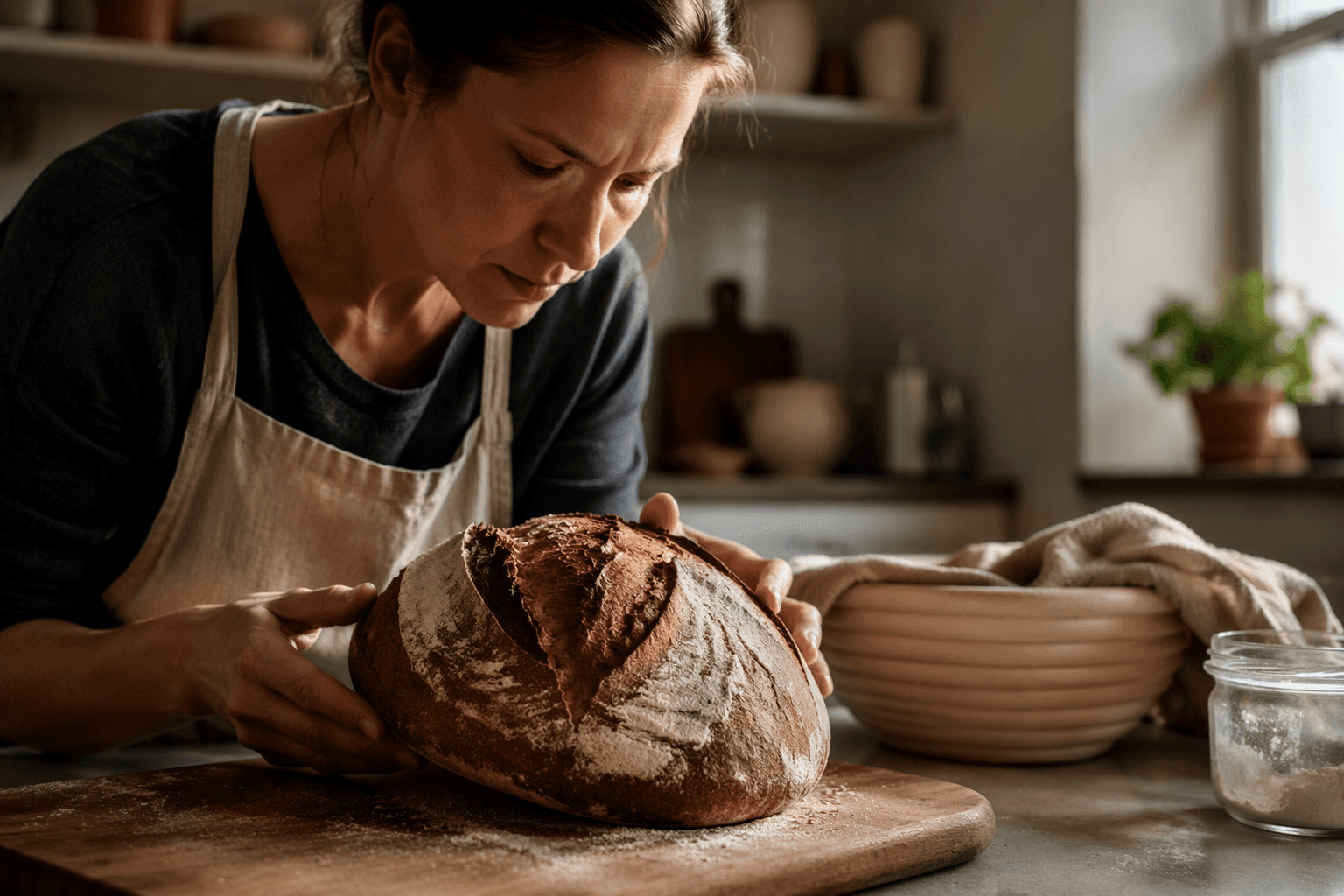
The dough goes longer if conditions call for it. By the time Buonizzimo's sourdough crust hits the oven, wild yeast has had three full days to metabolize available sugars, produce lactic and acetic acids, and leave behind the extensible, gas-riddled structure that gives the finished pie its chew-and-crisp contrast. Within weeks of opening, every Google review was five stars. "We've only been open less than three weeks, but people are already raving about how good the pizza is, the best in town, and all my reviews on Google are five-star," Mauricio said.
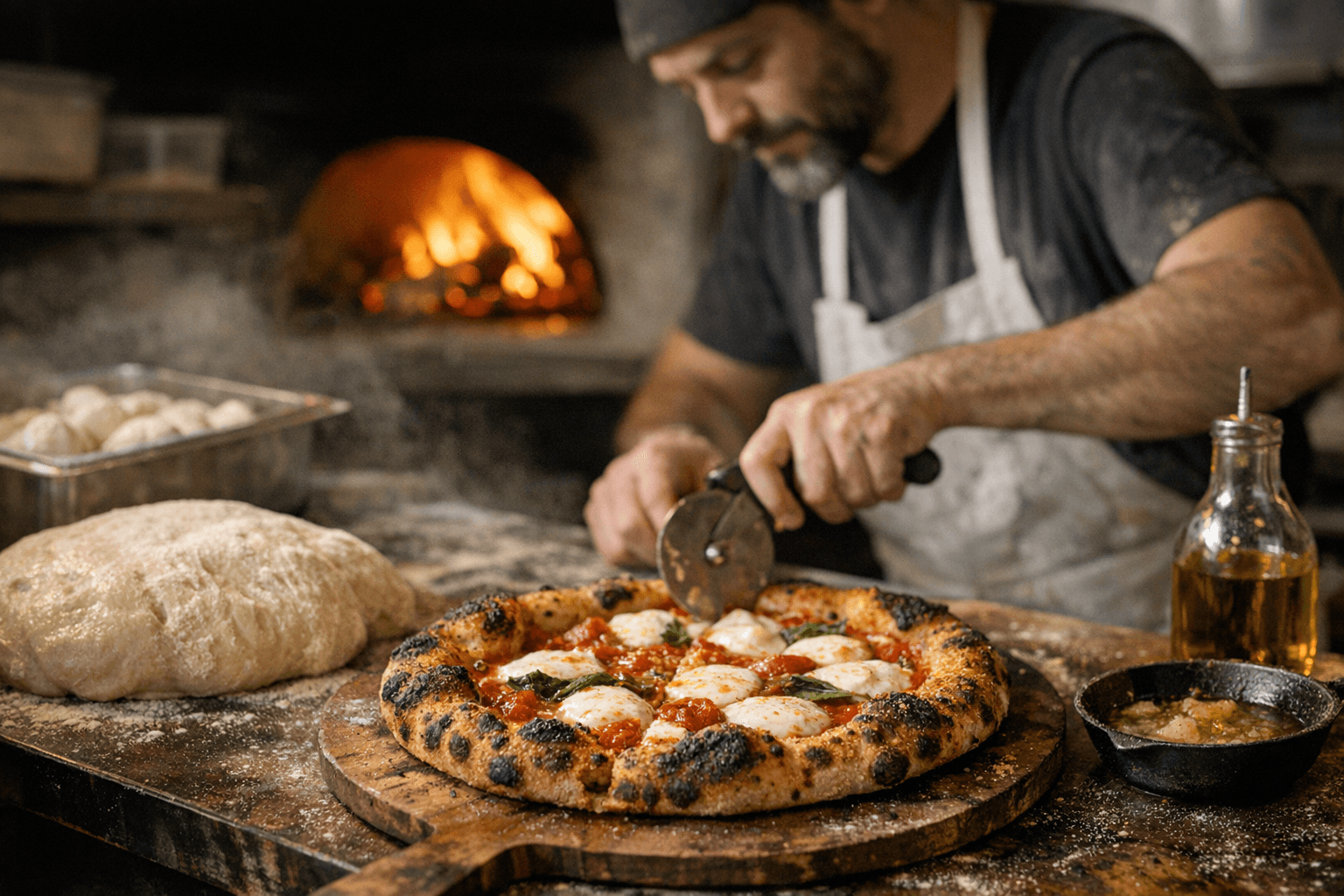
The fermentation-forward crust is one half of the equation. Water buffalo mozzarella, with its higher fat content and moisture than cow's-milk varieties, goes directly on top, melting into pools rather than spreading in a thin, tight sheet. House-made veal meatballs complete the premium topping list. The fryer runs on beef tallow instead of seed oils, a deliberate throwback that affects crispness and flavor in measurably different ways from industrial vegetable shortening. "I just want to give my clients and the people who eat at Pizzeria Buonizzimo the best quality food that the market has to offer," Mauricio said.
Buonizzimo occupies the territory between the fast-casual counter and the certified Neapolitan wood-fire segment occupied by veterans like Dough Pizzeria Napoletana and Mattenga's. The distinction it stakes is fermentation transparency: the 72-hour figure is a selling point, not just a back-of-house process.
For home bakers, that number is worth testing directly. The core variable is time in cold retard. A 24-hour ferment produces adequate flavor but limited extensibility; dough pulled from a 24-hour cold proof springs back sharply when you try to open it. At 72 hours, proteolytic enzymes have had enough time to partially relax the gluten network, so the same dough opens smoothly under gentle hand-pressure without tearing. That relaxation also allows larger CO2 bubbles to form and hold structure at the cornicione, producing the blistered rim that reads as a quality signal to any experienced pie eater.
Run the comparison yourself with two balls cut from the same batch: one cold-retarded 24 hours, one at 72. At shaping, note the spring-back. The 24-hour ball will fight you; the 72-hour ball will drape. At bake, watch the rim. The shorter ferment will brown more evenly; the longer one will blister unevenly, with dark spots forming where CO2 pockets rupture at the surface. That uneven char is the goal. It is also where the digestibility improvement lives: most of the fermentable sugars are consumed before the crust reaches the table, leaving a product lower in residual starch and lighter on the stomach than an equivalent same-day commercial dough.
Buonizzimo's Amanti Della Carne (meat lovers) pizza, fettuccine Alfredo, and chicken Parmesan sandwich are already drawing regulars to 1151 Harry Wurzbach. The 72-hour standard, applied to any active home starter, will do the same in your kitchen.
This article was produced by Prism’s automated news system from verified source data, official records, and press releases, then run through automated quality and moderation checks before publishing. The system is built and supervised by the people who set the standards it runs under. Read our full AI policy.
Did this article answer your question?