Scientists revive Ötzi’s ancient yeast to bake sourdough bread
A 5,300-year-old yeast from Ötzi’s body did more than survive the lab. After three months, it helped produce a very good sourdough loaf.
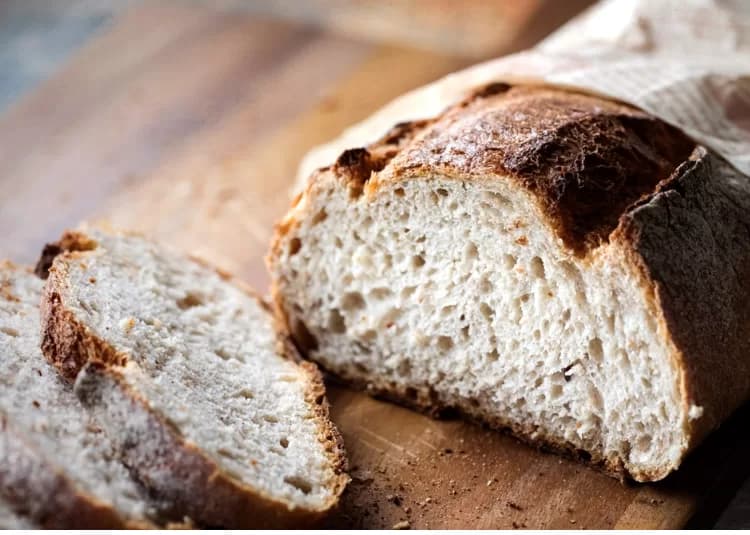
The question every sourdough baker wants answered is simple: can an ancient yeast still behave like a working starter? In Bolzano, Eurac Research scientists revived yeast recovered from Ötzi the Iceman and, after about three months of work, turned it into a sourdough loaf they called very good. The first attempt failed, but the fridge-grown culture eventually rose to the challenge, turning a 5,300-year-old biological relic into a loaf with real fermentation power.
The work, published in Microbiome, grew out of a wider look at Ötzi’s microbiome. Researchers at Eurac, which studies the Alps’ famous mummy in South Tyrol, analyzed ice from the body’s surface, meltwater from inside the mummy, swabs, internal tissue samples, stomach contents and a frozen soil sample from the 1991 discovery site. Their goal was to separate microbes that belonged to Ötzi during life from the ones that arrived later, during glacier preservation and in the decades after two German hikers found him in the Alps in 1991.
What surprised the team was the yeast. Mohamed Sarhan, a senior researcher at Eurac Research’s Institute for Biomedicine and Institute for Mummy Studies, said the group found four different yeasts that can survive sub-zero temperatures in Ötzi’s guts, skin and the brownish meltwater that appeared when the body was partially unfrozen. Eurac says the yeasts were isolated from skin samples, meltwater and stomach content, and that the DNA showed damage patterns consistent with a long association with the body, even though the team believes the organisms likely entered after death. Genetic analysis also linked them to strains from extremely cold regions such as Antarctica.
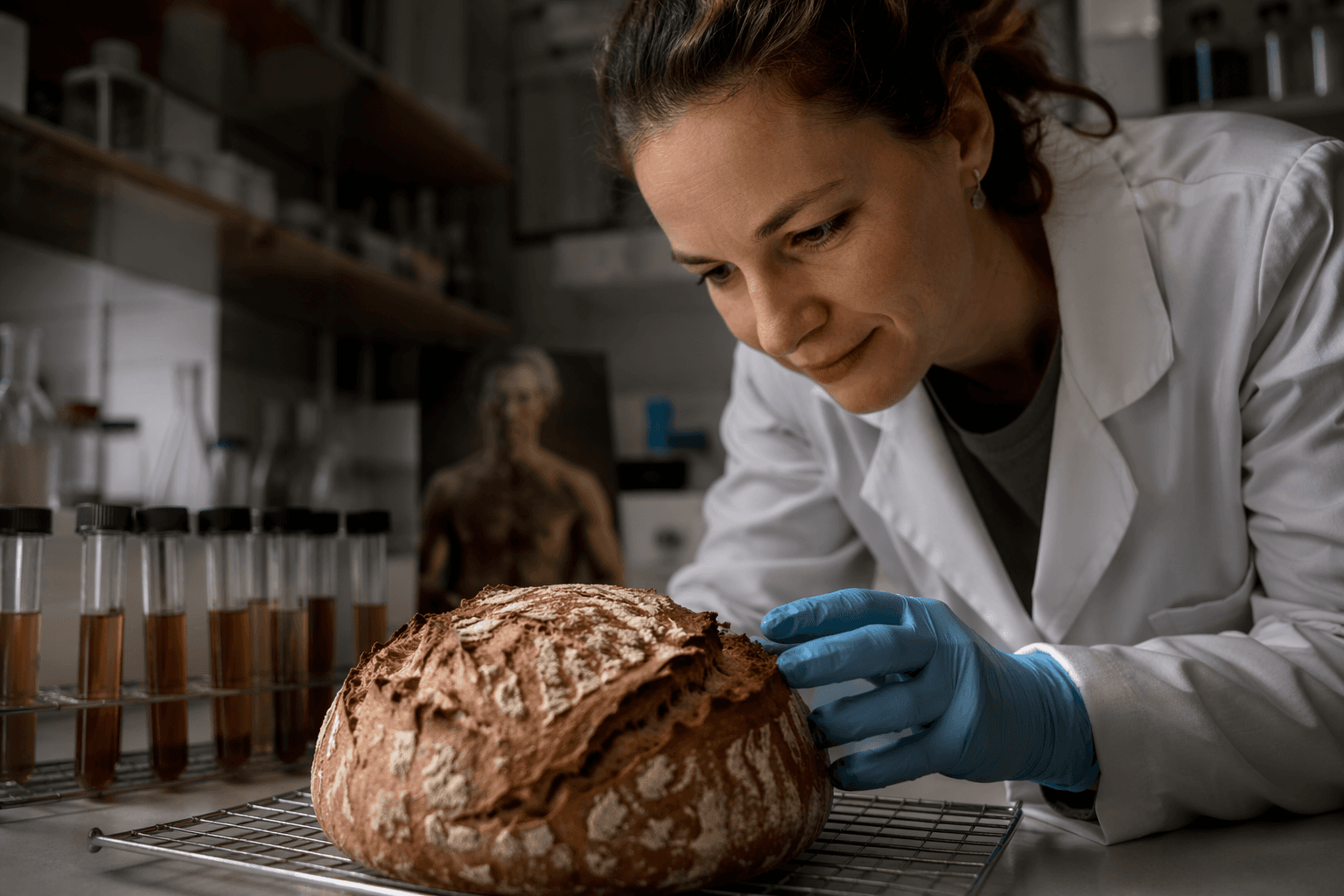
For bakers, the practical takeaway is not that a home counter can host a 5,300-year-old starter. It is that cold-adapted microbes can still perform in dough after extreme preservation, and that fermentation is shaped as much by environment as by strain. Eurac says the preserved body is kept at a constant minus 6 degrees Celsius and about 99 percent humidity, a reminder that temperature control can decide what survives and what flourishes.
The story may not stop at bread. Sarhan said brewing is on the list, and Eurac says the cold-loving yeasts could have industrial uses. AFP also reported that the yeast can eat phenol, the chemical used in 1991 to stop fungal growth, hinting at a possible role in breaking down contamination. For sourdough bakers, though, the headline is already enough: an ancient yeast from Ötzi’s body did not just survive the deep freeze. It made bread.
This article was produced by Prism’s automated news system from verified source data, official records, and press releases, then run through automated quality and moderation checks before publishing. The system is built and supervised by the people who set the standards it runs under. Read our full AI policy.
Know something we missed? Have a correction or additional information?
Submit a Tip