Singapore bakery softens sourdough to suit local tastes
The Baker’s shows how to keep sourdough’s character while softening the crust, easing the tang and making loaves friendlier for everyday Singapore tables.
Why this sourdough works for everyday tables
The Baker’s has found the sweet spot many bakers chase and many families demand: a sourdough that still tastes like sourdough, but lands with a softer crust, a lighter bite and a lot less attitude. The Singapore chain now runs four outlets, sells artisanal loaves from $5.50, and has built its bread around a simple idea, make the loaf fit the people eating it every day.

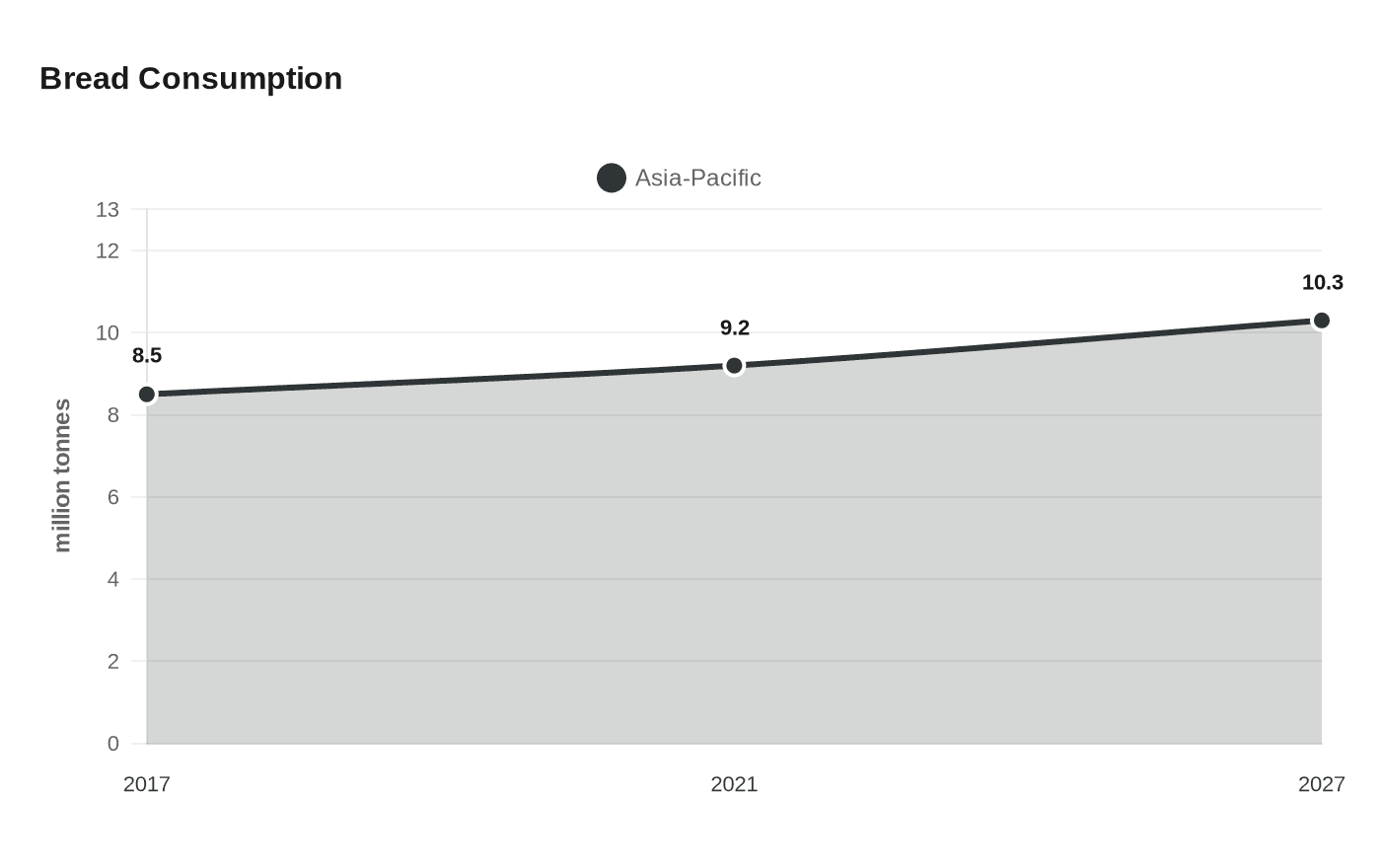
That matters in Singapore, where the market has room for this kind of adaptation. Lesaffre Singapore says bread consumption across Asia-Pacific rose from 8.5 million tonnes in 2017 to 9.2 million tonnes in 2021, and is forecast to reach 10.3 million tonnes by 2027. It also says 1 in 5 Singaporeans had eaten sourdough in the previous three months, with about half of sourdough buyers in Singapore and Thailand calling it healthier and almost half describing it as more natural. In other words, people want the idea of sourdough, but not necessarily the toughest version of it.
The baker’s fix was longer proofing, not compromise by sugar
Roseanne Toh opened The Baker’s first bakery on Owen Road in 2016, and her first sourdough was a more traditional interpretation. Customers pushed back. They said it was too sour and the crust was too hard, which is exactly the kind of feedback that sends a lot of bakeries down the wrong path. Toh did not abandon sourdough; she adjusted the method by proofing the dough for longer, which gave the loaf a lighter crust and a softer, airier crumb.
That is the most useful lesson here if you are trying to bake for a family that thinks classic sourdough is a little too aggressive. Do not assume the answer is to pour in sugar or butter and call it a day. The Baker’s bread stays free of sugar, butter, eggs, preservatives and artificial additives. The softness comes from process, not from turning the loaf into enriched white bread.
For a home baker, the practical takeaway is clear:
- Start with a strong bread flour base. The Baker’s uses premium bread flour imported from Europe, so the structure is still there.
- Extend proofing time. That longer fermentation and final rise is what softened the crust and opened the crumb.
- Keep the formula lean. The Baker’s keeps the bread free of sugar, butter and eggs, which preserves the sourdough identity.
- Aim for a lighter crust. If the loaf is baking up like armor, you are probably pushing the bake too hard for the audience you are serving.
That approach gives you a loaf that reads as artisanal without asking the eater to work for every slice.
Portion size changed the way people buy it
The other shift at The Baker’s is just as telling as the formula change. Its Serangoon Avenue 2 outlet opened in January 2025, and later in 2026 the bakery added a Sourdough With Walnut loaf to the lineup. But the biggest seller there is the ciabatta roll, and the reason is not mystery or branding. Customers wanted smaller, more practical portions.
That is the kind of detail bakers ignore at their peril. Whole loaves may satisfy the craft baker, but many households want something they can finish without a week of stale slices. The Baker’s now slices whole loaves on purchase at its main bakeries, and those bakeries, at Eunos Crescent and Serangoon Avenue 2, also produce breads and cakes for the Aljunied Avenue 2 and Serangoon Avenue 3 outlets. It is a smart production setup: bake centrally, distribute consistently, and let the customer choose between a whole loaf and a more manageable portion.
The chain even gives its ciabatta rolls a local nickname, calling them “tau kwa” because of their tofu-like shape and color. That kind of naming only works when the product already fits the way people eat. A roll feels easier on the table than a large rustic boule, and it also feels less intimidating to anyone who hears “sourdough” and immediately thinks “too chewy.”
What to copy if you want a softer sourdough at home
If you are trying to make sourdough more crowd-pleasing without sanding off its personality, The Baker’s model points to three practical choices.
First, keep the fermentation patient. The longer proof is what softened the crust and rounded out the loaf, so this is not the place to rush bulk just to get to the oven. If the dough seems ready only after it has had time to settle and relax, that is often the point.
Second, shape for the way people actually eat. Smaller rolls, sliced loaves or walnut-studded versions are easier to share than a big rustic country loaf. The success of the ciabatta roll shows how much a portion change can affect repeat buying.
Third, plan storage like a baker serving real households, not a photo shoot. The Baker’s loaves keep for three days outside the fridge and freeze well for longer storage. That makes the bread easier to live with, which is part of why it works.
Singapore’s sourdough scene has already made room for this style
The Baker’s is not an outlier so much as a clean example of a broader local pattern. Time Out Singapore has noted that humidity and temperature matter when working with starters and dough here, and that recipes from overseas do not always translate neatly to local conditions. Lifestyle Asia has also described Singapore’s sourdough scene as one built around long fermentation and starter-led baking, which means adaptation is already part of the culture.
That is why The Baker’s approach feels so well judged. It is not trying to win a purity contest. It is trying to sell bread people will buy again, slice by slice and roll by roll, without losing the character that made sourdough desirable in the first place. The best part is that the fix is not mysterious: longer proofing, a lean formula, practical portions and a softer crust are enough to turn a hard-edged loaf into one that disappears at the table for the right reasons.
This article was produced by Prism’s automated news system from verified source data, official records, and press releases, then run through automated quality and moderation checks before publishing. The system is built and supervised by the people who set the standards it runs under. Read our full AI policy.
Did this article answer your question?