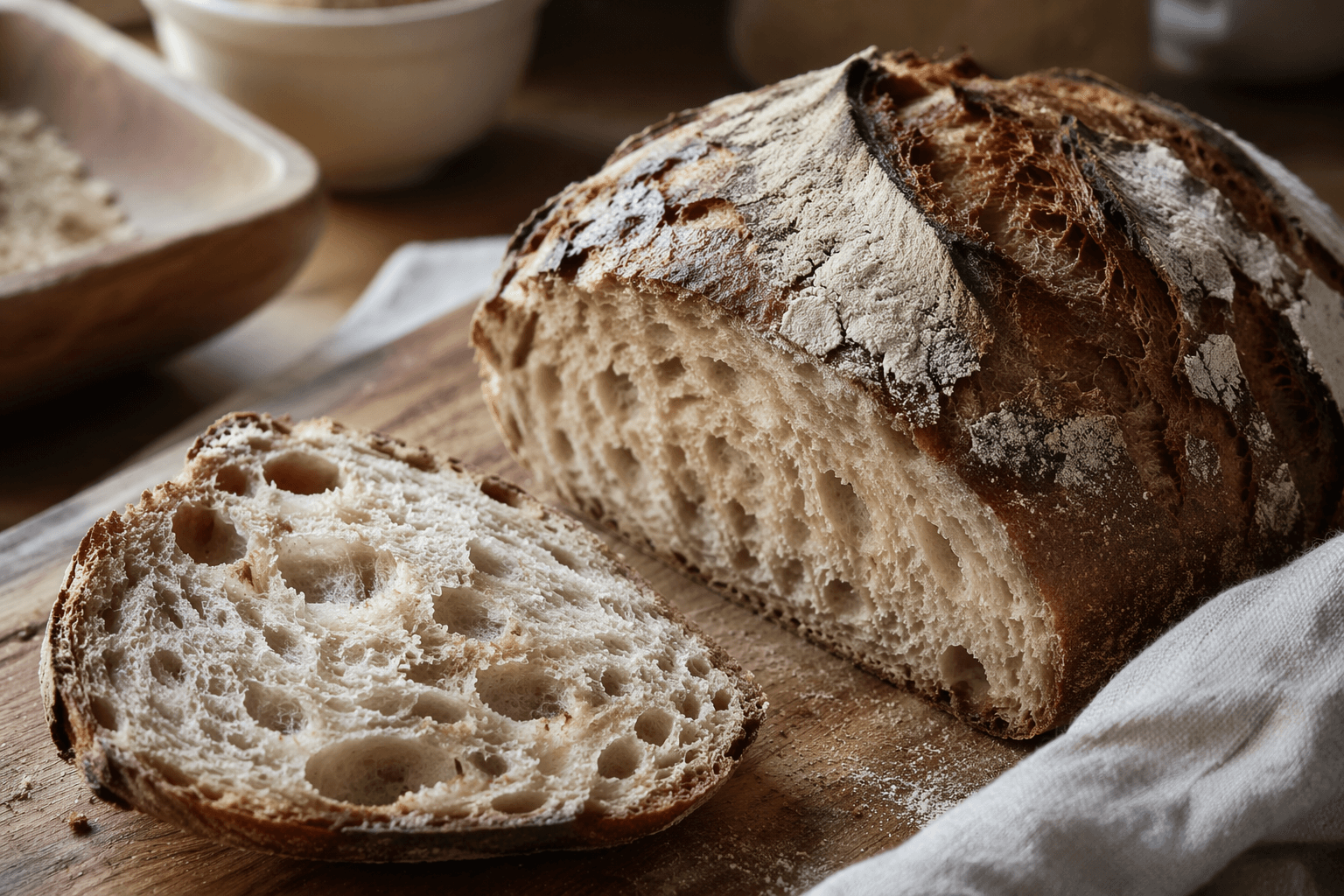
Sourdough baking helps newcomers settle into life on Costa Tropical
Costa Tropical’s heat can speed sourdough, but a simple starter, faster feedings, and a weekly rhythm turn bread making into an easy local ritual.
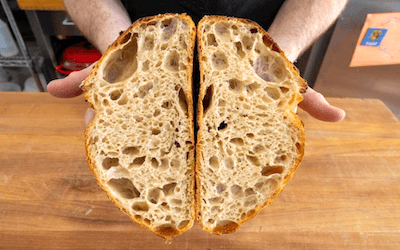
Living on Spain’s Costa Tropical gives you a small but useful advantage in the kitchen: the chance to slow down and build a life around simple, repeatable habits. Sourdough fits that rhythm perfectly. It is not just a bread project here, but a practical way to settle in, gain confidence, and give the week a shape you can look forward to.
Why sourdough works so well here
The strongest idea in this approach to sourdough is that it should feel accessible, not intimidating. The point is not to chase perfection or treat bread making like a technical exam. It is to make something steady and useful, whether you are retired, working, or simply trying to anchor your days with a ritual that feels your own.
That matters on the Costa Tropical, where the pace of life already invites you to pay attention to routine. Bread making becomes part of that pace. A starter waiting on the counter, a dough rising through the day, and a loaf cooling at home all create the kind of continuity that makes a new place feel less temporary.
Start with the simplest possible starter
The most beginner-friendly place to begin is also the least dramatic: equal parts strong flour and water, about 50 grams of each. Mix them together and feed the starter once a day. That gives you a clear, repeatable baseline without forcing you to memorise anything complicated.
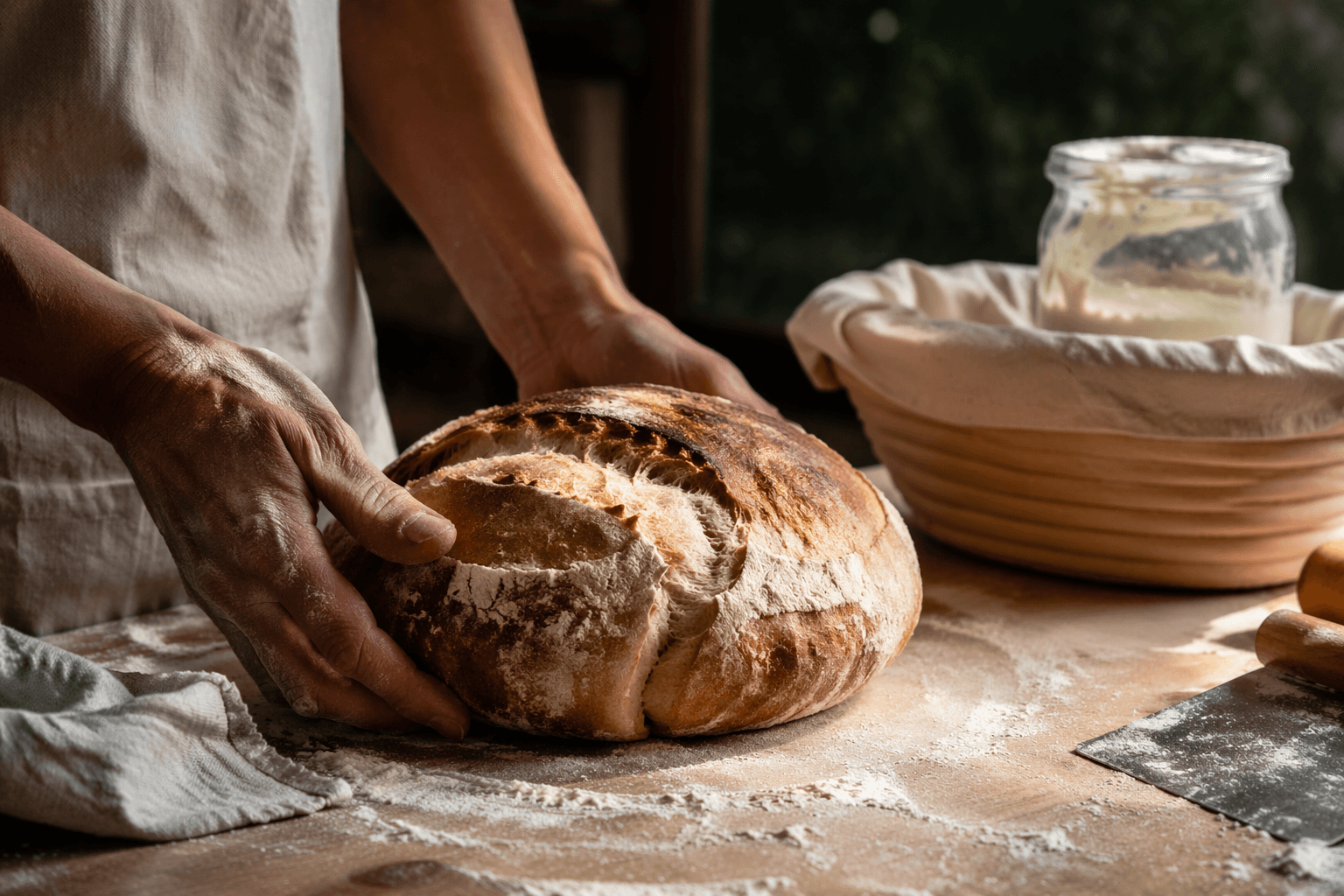
In warm weather, that starter should begin showing bubbles within a week. Those bubbles are the first sign that the culture is waking up and becoming active enough to matter. If you are new to sourdough, that early movement is encouraging because it tells you the process is working even before you have a loaf in the oven.
Let the temperature set the schedule
Costa Tropical warmth changes the way sourdough behaves. Summer temperatures can speed fermentation enough that a once-a-day feeding schedule is no longer enough, and you may need to feed the starter twice daily instead of waiting 24 hours between feedings. That is the key adjustment: in a hot kitchen, the starter may move faster than you expect.
This is where observation matters more than rigid timing. If the culture is racing ahead, the job is not to fight it but to respond to it. A warmer environment can be an advantage when you know how to work with it, but it also means you need to watch the starter closely and be ready to shorten your routine.
Read the loaf, not just the recipe
One of the most useful bits of advice in the guide is to stop treating a flat loaf as a personal failure. A loaf that does not rise well is information. It can point to too much heat, rushed proofing, or some other process issue that can be corrected the next time around.
That mindset is especially helpful in a warm coastal climate, where fermentation can move quickly and proofing can get away from you. Instead of reading each imperfect loaf as proof that sourdough is too fussy, treat it as a practical signal. The bread is telling you something about your kitchen, your schedule, or the pace of the dough.
Build a routine that fits real life
The guide’s deepest lesson is that sourdough works best when it becomes part of the week rather than a one-off experiment. A regular baking rhythm gives you something to return to, and that consistency is what makes the hobby feel grounding instead of overwhelming.
That is also why the article frames bread making as part of settling into daily life. If you make the starter part of your morning or evening check-in, you stop treating it like an extra chore and start treating it like one of the fixed points of your day. Over time, that rhythm becomes as important as the loaf itself.
A simple way to think about the routine is this:
1. Mix the starter with equal parts strong flour and water, about 50 grams each.
2. Feed it once a day, or twice daily if summer heat speeds it up.
3. Watch for bubbles within the first week in warm weather.
4. Use each loaf as feedback, especially if heat or rushed proofing affects the result.
That kind of structure keeps the process calm. You do not need to overcomplicate the schedule to get started, and you do not need every bake to be perfect for the practice to be worthwhile.
Bake with other people, not just by yourself
Sourdough also becomes easier when it is social. The guide points to the Costa Women Costa Tropical network as an example of a local group where beginners and more experienced bakers can swap tips and recipes. That kind of community support can be as valuable as any technique because it gives you a place to ask questions and compare notes with people living through the same climate.
On the Costa Tropical, that shared knowledge matters. A starter behaves differently in heat, a proof can move faster than expected, and a loaf can tell you a great deal about the conditions in your kitchen. Having other bakers nearby helps turn those lessons into habit instead of guesswork.
Sourdough on the Costa Tropical is at its best when it matches the place itself: warm, patient, and regular. If you keep the starter simple, adjust for the heat, and let bread making become part of the week, the whole process starts to feel less like a challenge and more like a way to belong.
This article was produced by Prism’s automated news system from verified source data, official records, and press releases, then run through automated quality and moderation checks before publishing. The system is built and supervised by the people who set the standards it runs under. Read our full AI policy.
Know something we missed? Have a correction or additional information?
Submit a Tip