Panera’s original sourdough starter still shapes the brand’s story
Panera’s starter is real, but the bigger lesson is blunt: age alone doesn’t guarantee better bread when a chain’s dough moves through a factory system.
Panera’s sourdough starter is the kind of detail bread people latch onto because it sounds like proof that flavor can survive scale. The chain’s origin story leans hard on that idea: a first bakery-cafe in 1987, a secret starter, and a line back to the St. Louis Bread Company. What matters to a home baker is not just the romance of that lineage, but the harder question underneath it, which is whether starter age actually buys you flavor, process control, or consistency.
The starter story starts in Kirkwood
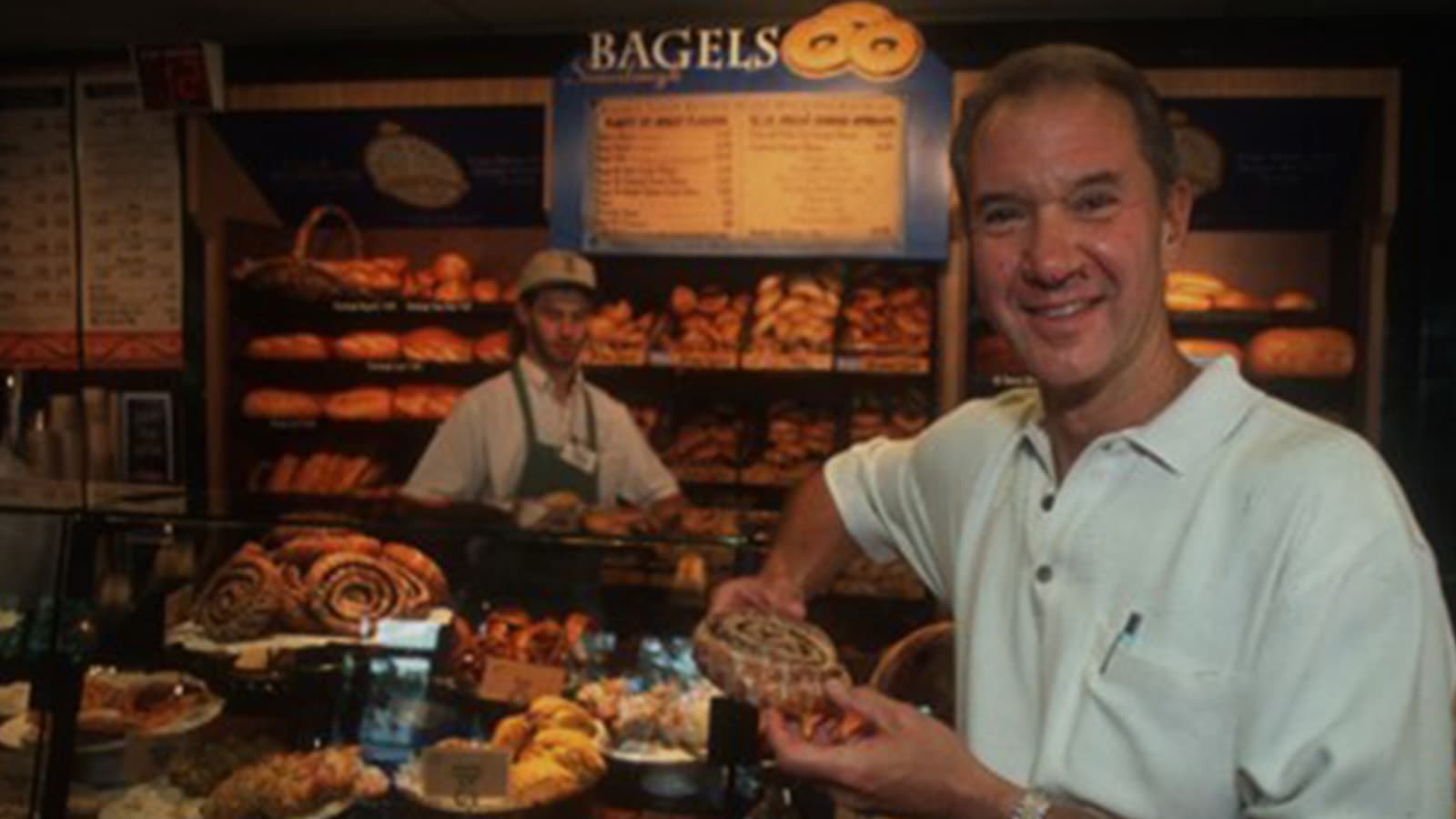
Panera’s roots begin in Kirkwood, Missouri, where Ken Rosenthal opened the first bakery in 1987 with $150,000 of his own money and a small business loan. He was inspired by European-style bakeries and by sourdough in San Francisco, California, and that influence still sits at the center of the brand’s identity. Panera says the first bakery-cafe opened in 1987 and was founded with a secret sourdough starter, which is why the company still uses starter language as part of its origin story.
That matters because the starter is doing two jobs at once. It is a baking tool, but it is also a continuity claim, a way to say the bread you get now still traces back to the original St. Louis days. In a sourdough kitchen, that is the real appeal of an old culture: not that it is automatically better, but that it gives you a stable line of descent you can actually taste if you keep the process tight.
The old menu shows Panera was never just about one loaf
The original St. Louis Bread Company menu makes the story more interesting. The menu listed 14 other breads alongside the classic sourdough, including olive, Asiago cheese, swirl rye, and Mexican fiesta. That is a very different picture from a one-trick bread shop chasing a single signature loaf. It shows the company was building a broader bakery-cafe identity from the start, with multiple breads carrying the load.
The same menu also measured freshness by the hour rather than by the day, which is the kind of detail bread bakers notice immediately. That language tells you how seriously freshness was baked into the early concept, and it explains why the starter story stuck. If the menu was built around hourly freshness, a starter with a clear lineage was not just a nostalgic flourish. It was part of the pitch that the bread was alive, local-feeling, and made to move fast.
Where the myth meets the production line
This is where the bakery-reality side of the story kicks in. Panera still bakes in store, but in 2019 Panera employees said the signature bread arrives premixed in the kitchen. Fresh dough is delivered to Panera locations from Fresh Dough Facilities that operate 24 hours a day, seven days a week, 364 days a year. That setup is not a neighborhood bakehouse, and it is not trying to be.
Panera can keep talking about a starter from the company’s early St. Louis days while the actual dough path runs through a national supply system. Many bread items arrive as premixed dough, while other menu items come frozen or prepackaged. A starter can survive as a symbol even when the production model changes completely. The culture may be continuous, but the process is industrial.
What this means if you bake sourdough at home
Here is the useful part for anyone keeping a jar on the counter: starter age is not the same thing as bread quality. Panera’s story shows that an old starter matters most when it supports consistency, not when it is treated like magic dust. If you want the flavor and texture you expect from a culture, the real work is in feed timing, dough handling, and how closely you repeat your process from bake to bake.
A few practical takeaways show up clearly in Panera’s story:
- Treat your starter as a living system, not a museum piece.
- Keep your feed schedule steady if you want repeatable flavor.
- Watch how the dough is built, because a strong starter cannot rescue bad mixing or sloppy fermentation.
- Use the starter’s age as a record of continuity, not as a shortcut to better bread.
This article was produced by Prism’s automated news system from verified source data, official records, and press releases, then run through automated quality and moderation checks before publishing. The system is built and supervised by the people who set the standards it runs under. Read our full AI policy.
Know something we missed? Have a correction or additional information?
Submit a Tip