Sourdough discard cornbread brings quick, buttery comfort to dinner tables
Sourdough discard cornbread turns a forgotten starter into a buttery, crisp-edged side that fits chili night, soup night, and any dinner that needs bread fast.
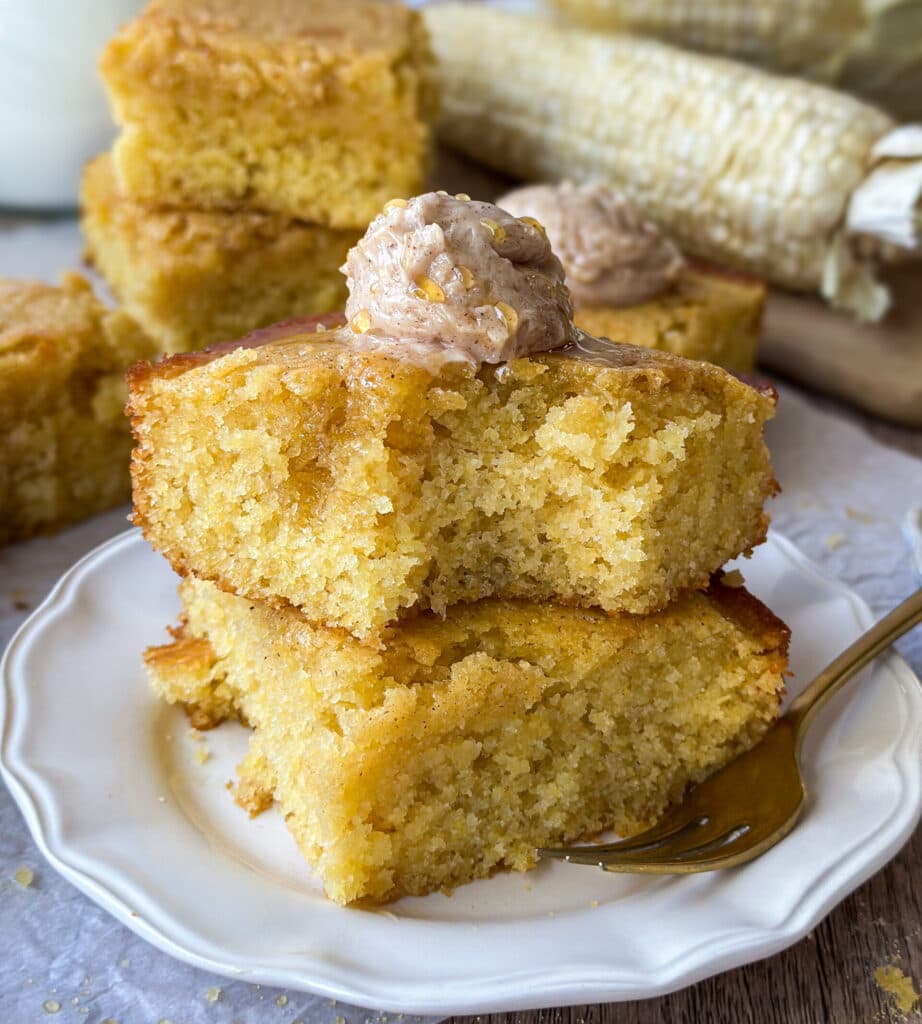
Discard in the fridge does not need to become another loaf to earn its keep. Friend in Knead’s July 12 sourdough cornbread keeps starter in the weeknight lane: soft, light, moist cornbread with buttery flavor and crisp golden edges, ready as soon as the batter is mixed. Because baking powder and baking soda do the lifting, the discard is there for tang, moisture, and depth, not for another long proof.
Why this version makes sense
Cornbread has always been a quick bread, with roots in Native American foodways and a long life in Southern United States cooking. Modern cornbread usually rises with baking powder, which is exactly why a sourdough discard version works so well. The starter brings flavor and a little acidity, while the chemical leaveners keep the crumb light and the process short.
That hybrid setup is the reason this style beats a standard cornbread when dinner needs to happen now. A plain batch can be good, but discard cornbread gives you more going on: a gentle tang, a moister crumb, and a richer finish without turning the recipe into a fermentation project. It also solves a practical problem, since a jar of discard waiting in the fridge becomes part of dinner instead of more waste.
What the batter is doing
The formula works because every ingredient has a job. In the Friend in Knead version, discard can be cold or room temperature, flat or past peak, which makes it useful even when the starter is not at its best. Buttermilk, honey, eggs, oil, and butter all work together to build a tender crumb and a golden top, so the result lands somewhere between savory and just sweet enough.
That structure is what keeps the bread from feeling repetitive. Make It Dough’s sourdough discard cornbread points to the same logic, noting that discard adds tang and helps the cornbread stay moist for days. Its one-bowl approach also shows how simple this kind of bake can be when you want something homemade without dragging out a mixer or a long proofing schedule.
Same-day comfort, or an overnight head start
One of the best things about sourdough discard cornbread is that you can decide how much time you have. Friend in Knead gives you two lanes: mix and bake right away, or let the batter ferment overnight for extra depth and flexibility. That makes it easy to match the recipe to the day you are actually having, not the day you wish you had.
Wild Thistle Kitchen makes the same practical case, framing sourdough cornbread as something that can be baked straight away or fermented overnight. That flexibility matters because cornbread is supposed to feel easy. If you want dinner on the table fast, it still works. If you have a little more planning room, the overnight rest gives the sourdough flavor a chance to round out.
What it is best served with
This is the kind of side that disappears next to hearty food. Friend in Knead calls it a quick side for chili, barbecue, or soup, and that is exactly where sourdough discard cornbread earns its place. It has enough structure to stand up to a bowl of stew, but enough tenderness to go with something saucy without getting heavy.
The strongest serving ideas are the ones that lean into both the buttery crumb and the slight tang:
- Warm it with melted butter for the simplest finish.
- Add honey cinnamon butter when you want a richer, sweeter edge.
- Serve it alongside chili, soups, or stews when dinner needs something filling and fast.
- Put it next to barbecue, where the sweet-savory balance holds up well.
- Bring it to the table with eggs for a breakfast-for-dinner move that still feels like comfort food.
Wild Thistle Kitchen explicitly pairs sourdough cornbread with eggs, soups, stews, and chili, which tracks with how naturally it slips into everyday meals. Farmhouse on Boone describes it as a moist combination of savory and sweet, suited to a hearty meal, and that is the real appeal: it belongs on the table without needing a special occasion.
Cast iron, leftovers, and the low-effort payoff
King Arthur Baking takes the practical angle all the way to the pan, baking its sourdough cornbread in a cast-iron skillet. That choice makes sense here because cast iron helps deliver the crisp edges that make cornbread worth cutting while the center stays tender. It is the kind of detail that turns a good side into one that people reach for first.
The leftovers are just as straightforward. King Arthur Baking says to keep cornbread well wrapped at room temperature for one day, or freeze it for longer storage. That matters for a weeknight bake, because a pan of cornbread can carry over into another meal without becoming a stale afterthought.
When sourdough discard cornbread wins
This is the better choice when you have starter to use, want a side that feels homemade, and do not want to commit to bread-baking levels of effort. It gives you more flavor than a standard cornbread, more moisture than a dry quick bread, and more flexibility than a loaf that needs hours of attention. Most of all, it turns a jar of discard into something people actually want to eat with dinner.
That is the quiet strength of this recipe: it makes sourdough feel ordinary in the best possible way. Not a project, not a showpiece, just a buttery pan of cornbread with crisp edges, ready to land next to chili, barbecue, soup, or any meal that needs comfort without the wait.
This article was produced by Prism’s automated news system from verified source data, official records, and press releases, then run through automated quality and moderation checks before publishing. The system is built and supervised by the people who set the standards it runs under. Read our full AI policy.
Did this article answer your question?