Sourdough gains pricing power as shoppers trade up for artisan bread
Sourdough is no longer just a flavor note. A new push for real sourdough is teaching shoppers how to spot true long fermentation, and why it still commands a premium.
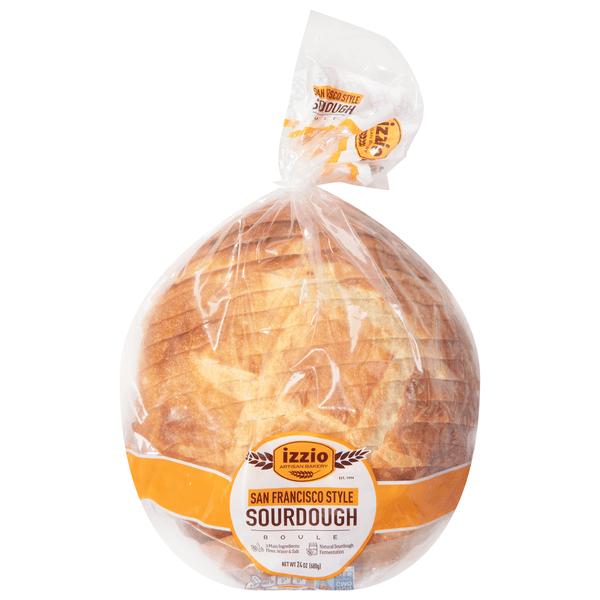
Real sourdough is becoming a retail filter, not just a bakery adjective
Sourdough has crossed into a new phase in the bread aisle. In a market where April 2026 bakery sales across the fresh perimeter and center store were still soft, the category is gaining pricing power because shoppers are trading up for bread that feels more artisan, more transparent, and more worth the splurge. That shift is why a loaf is now being judged less like a commodity and more like a craft object.
At the center of that change is Izzio Artisan Bakery, which says its sourdough story is built around slow fermentation, small-batch baking and clean ingredients. Sara Kafadar, the company’s chief commercial officer, says sourdough has become a mainstream driver because shoppers now connect it with better digestibility, gut health and more complex flavor. In plain terms, the loaf has stopped being a side character and become the thing people are willing to pay extra for.
What “real sourdough” is supposed to mean
The phrase matters because it is doing a lot of work in the aisle. Izzio says each loaf starts with flour, water and salt, plus time, and that the brand is drawing a bright line between true sourdough and products that lean on shortcuts like vital wheat gluten or vinegar. That distinction gives shoppers a practical way to decode labels that sound artisanal without always behaving like it.
Traditional sourdough, as Britannica describes it, is flour and water fermented over a period of days by wild yeasts. That long fermentation is the heart of the category, not a garnish. When a bakery leans into that process, it is signaling that texture, flavor development and fermentation are central to the loaf, not added later with a sour note or a marketing gloss.
Izzio says it has been baking traditional sourdough for nearly 30 years, and that history matters because it frames sourdough as a technique with depth rather than a trend with a short shelf life. The company’s January 2026 launch of its first integrated marketing campaign, also called Real Sourdough, shows how seriously it is treating the education gap. The campaign is not only about selling bread, it is about teaching shoppers how to tell what they are actually buying.
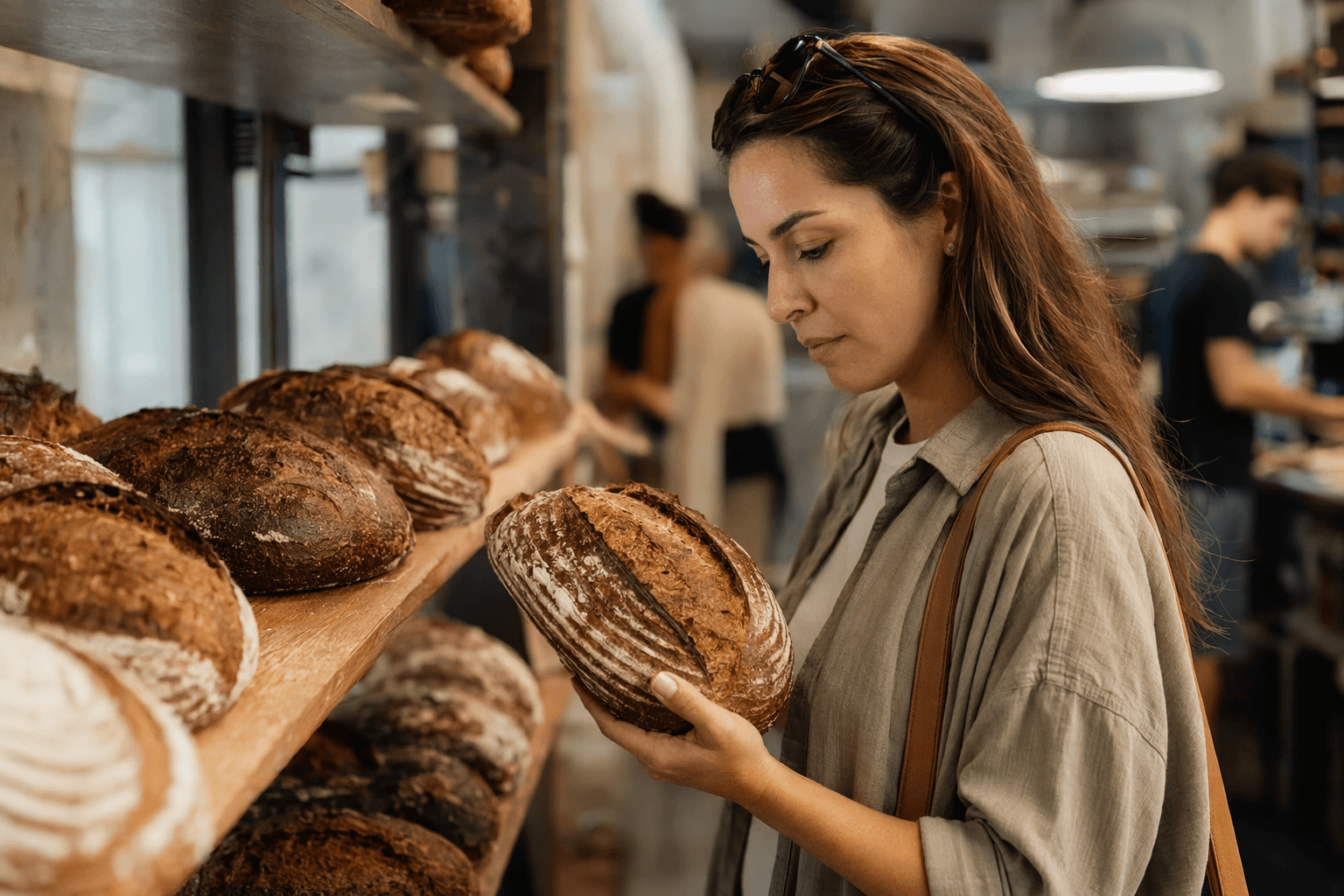
How to read the bread aisle like a sourdough regular
If you are trying to separate genuine long-fermented loaves from looser claims, the label usually gives you the first clues. The cleanest version of sourdough reads like a short, intentional formula, with flour, water, salt and time doing the heavy lifting. Once the ingredient panel starts getting crowded with dough conditioners, sour flavoring or vague “artisan” language, the loaf may be borrowing the mood of sourdough more than the method.
A good shortcut for buyers is to look for language that names process, not just taste. Terms such as long fermentation, small-batch baking, artisan made and naturally leavened usually point closer to the bread-making culture shoppers are trying to access. By contrast, sourness alone is not proof of sourdough, and a shiny crust does not guarantee days of fermentation.
That matters because the bread aisle is crowded with products that want the emotional lift of sourdough without always carrying its operational discipline. The newer “Real Sourdough” push is a reminder that in today’s market, process transparency can be part of the premium. Consumers are not only buying flavor, they are buying the sense that the loaf came from patience and skill.
Why the health story keeps sticking
Part of sourdough’s pricing power comes from the way shoppers talk about it. Progressive Grocer cites Puratos’ October 2025 bakery trends work showing that 58% of consumers believe sourdough makes bread healthier, while 70% say it enhances flavor. That combination is powerful because it lets sourdough sit in two lanes at once: indulgent enough to feel special, and functional enough to feel like a smarter choice.
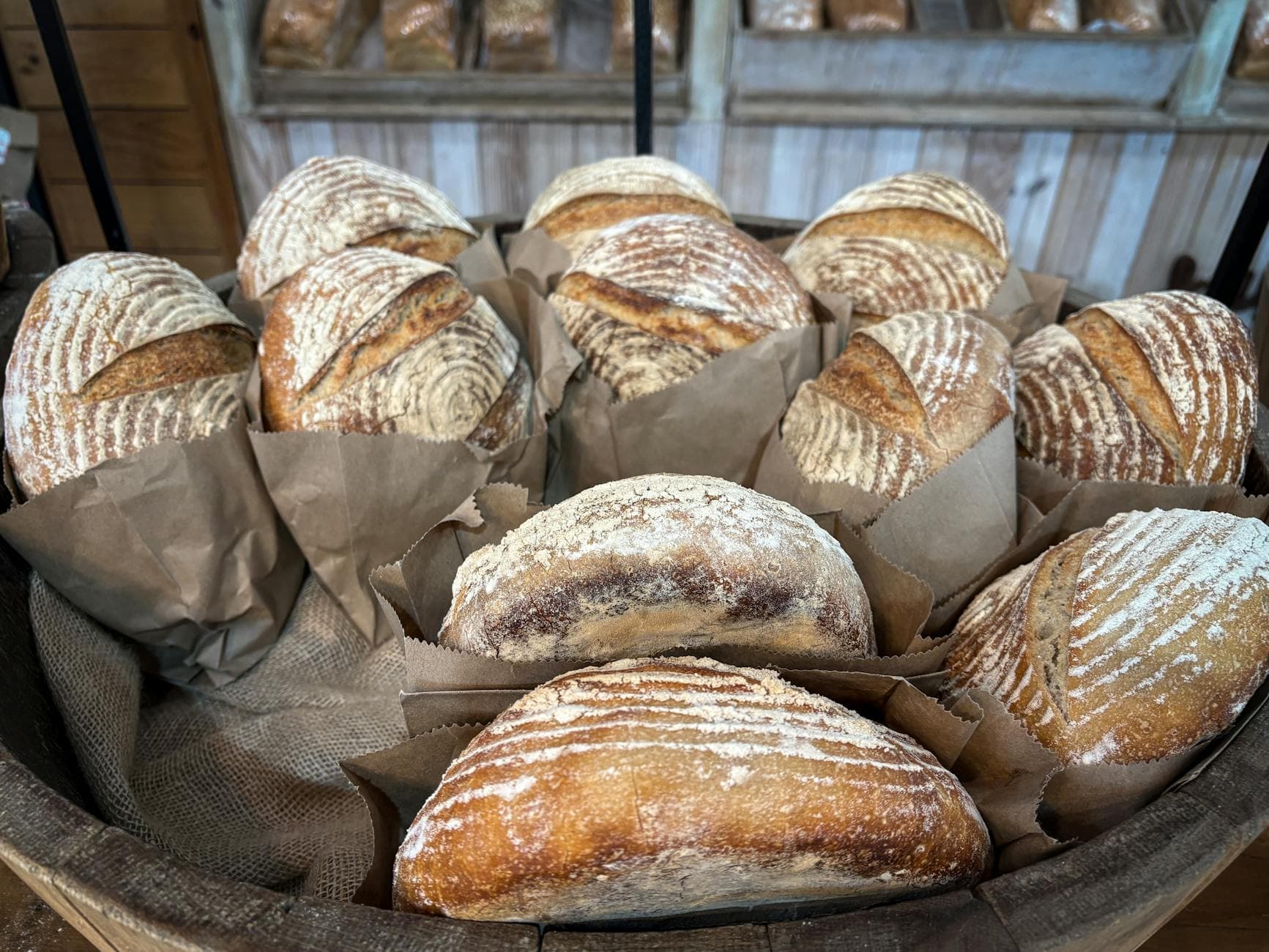
The science is more careful than the marketing, but it still helps explain the appeal. A systematic review found that sourdough fermentation can lower glycemic index, improve mineral bioavailability and protein digestibility, and decrease anti-nutritional factors. A separate review of 25 clinical trials involving 542 participants found some studies showing better glycemic response, satiety or gastrointestinal comfort after sourdough bread consumption.
There is also interest in FODMAP reduction, which may matter for people with IBS or non-celiac gluten sensitivity. That does not mean every sourdough loaf is automatically low-FODMAP, but it does explain why fermentation has become a serious talking point beyond the baking counter. For home bakers, the takeaway is simple: long fermentation is not just a romantic preference, it can affect how bread is perceived, tolerated and valued.
What this means for bakers, shoppers and bakery cases
For home bakers, the retail shift is a reminder that the language of sourdough now carries real expectations. If a supermarket loaf can charge more by promising fermentation, craftsmanship and cleaner ingredients, then a homemade loaf gains value by showing those same traits clearly. A well-maintained starter, a patient bulk ferment and a short ingredient list are no longer niche signals, they are the proof points shoppers recognize.
For bread buyers, the new rule is to stop trusting the label at face value. A true artisan sourdough usually announces itself through restraint, with a recognizable formula and a process that leaves time in the mix. When the ingredient deck starts looking like a workaround, the loaf is probably selling sourness rather than sourdough.
The broader retail message is just as clear. Even in a softer bakery market, sourdough is proving that bread can still act like an experience category, one shaped by flavor, craftsmanship and trust. That is why the “real sourdough” conversation is not a branding exercise on the side, but a sign that the bread aisle is being rebuilt around the idea that a loaf should feel made, not manufactured.
Know something we missed? Have a correction or additional information?
Submit a Tip
.jpg&w=1920&q=75)