Sourdough or whole wheat, which bread is better for blood sugar?
Real sourdough can blunt the blood sugar rise, but whole wheat’s fiber can do real work too. The winner is the loaf that ferments, fibers up, and keeps portions honest.
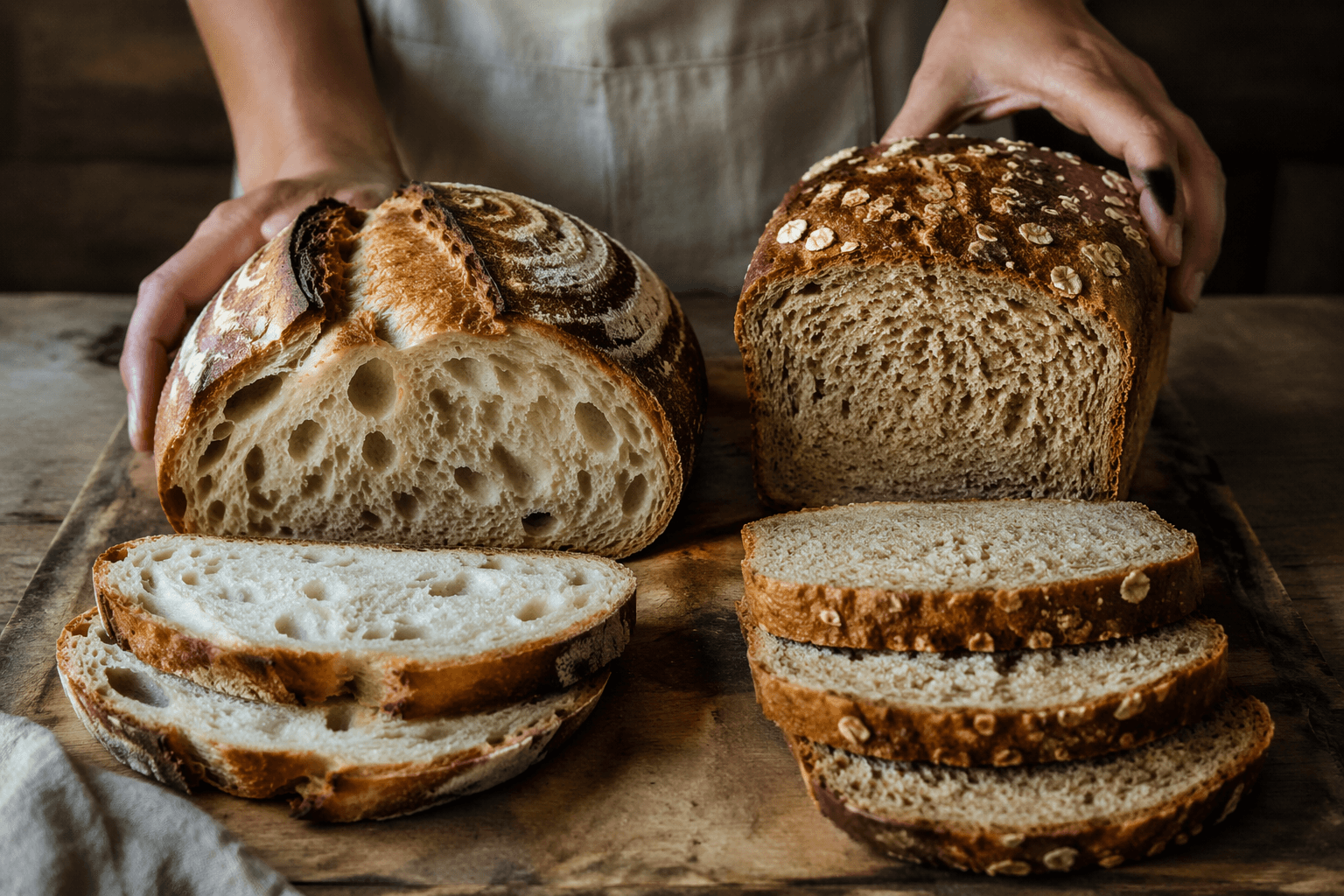
The bread aisle loves a simple story, but blood sugar rarely does. A loaf can say sourdough on the front and still behave very differently from another loaf with the same label, while whole wheat can earn its own credit through fiber alone. The real question is not which buzzword sounds healthier, but which bread slows digestion, keeps carbs in check, and gives you the kind of post-meal curve you can live with.
What the glycemic index actually tells you
The glycemic index, or GI, runs from 0 to 100, with pure glucose set at 100. Lower numbers mean a slower rise in blood sugar, which is why GI gets so much attention in bread debates. Harvard Health notes that glycemic load can be even more useful than GI alone because it accounts for both how fast a food raises glucose and how much carbohydrate a serving delivers.
That serving size part matters more than most labels admit. The American Diabetes Association says total carbohydrate is the key number to use when counting carbs, and its label example shows how fast the math changes: one slice of bread has 21 grams of carbohydrate and 4 grams of dietary fiber, while two slices double the carbohydrate to 42 grams. In other words, the same sandwich can become a very different glucose event once portion size enters the picture.
Why sourdough can behave differently
Sourdough earns its edge through fermentation, not magic. During real fermentation, natural acids form and can slow stomach emptying while also slowing how starch is broken down and absorbed. That is why sourdough often produces a more gradual blood sugar rise, and why the article cited a GI of 54 for sourdough, lower than many standard commercial breads.
The science points in the same direction. A 2022 systematic review linked sourdough’s blood-glucose effects to organic acids produced during fermentation, which can delay gastric emptying and slow the glucose response. A 2021 study in Foods went further, showing that fermentation type and temperature significantly changed estimated glycemic index and starch digestibility. In that study, resistant starch increased after fermentation, while rapidly digestible starch, hydrolysis index, and estimated GI all decreased.
The biggest drop in estimated GI in that work came from whole wheat sourdough fermented at 30 C using type-2 fermentation, with a 29.74 percent decrease. That detail is the important one for shoppers and bakers alike: sourdough is not a single blood-sugar category. The process matters, and the fermentation conditions matter.
Why whole wheat can compete without fermentation
Whole wheat brings a different advantage to the table. It keeps more of the intact grain and adds fiber, and fiber slows digestion enough to help blood glucose stay steadier. The American Diabetes Association specifically notes that fiber in complex carbs slows digestion and supports more balanced glucose levels, which is why whole wheat does not need to rely on fermentation to have metabolic value.
That is also why whole wheat can hold its own against sourdough in the real world. A bread with more fiber may soften the glucose response even if it is not fermented in the sourdough style, and a loaf that is truly whole grain can be a strong everyday choice for someone trying to avoid sharp post-meal spikes. Low-GI eating is likely helpful for people with diabetes, Harvard Health notes, but body weight also remains a major factor in blood sugar control.
There is also a clinical reminder hiding in the research. A 2023 Springer study comparing whole grain sourdough bread with white bread in gestational diabetes patients underscored that carbohydrate type and absorption rate can affect postprandial glucose. The lesson is not that one bread wins forever. It is that bread choice can matter in very practical, measurable ways.
The label can mislead you
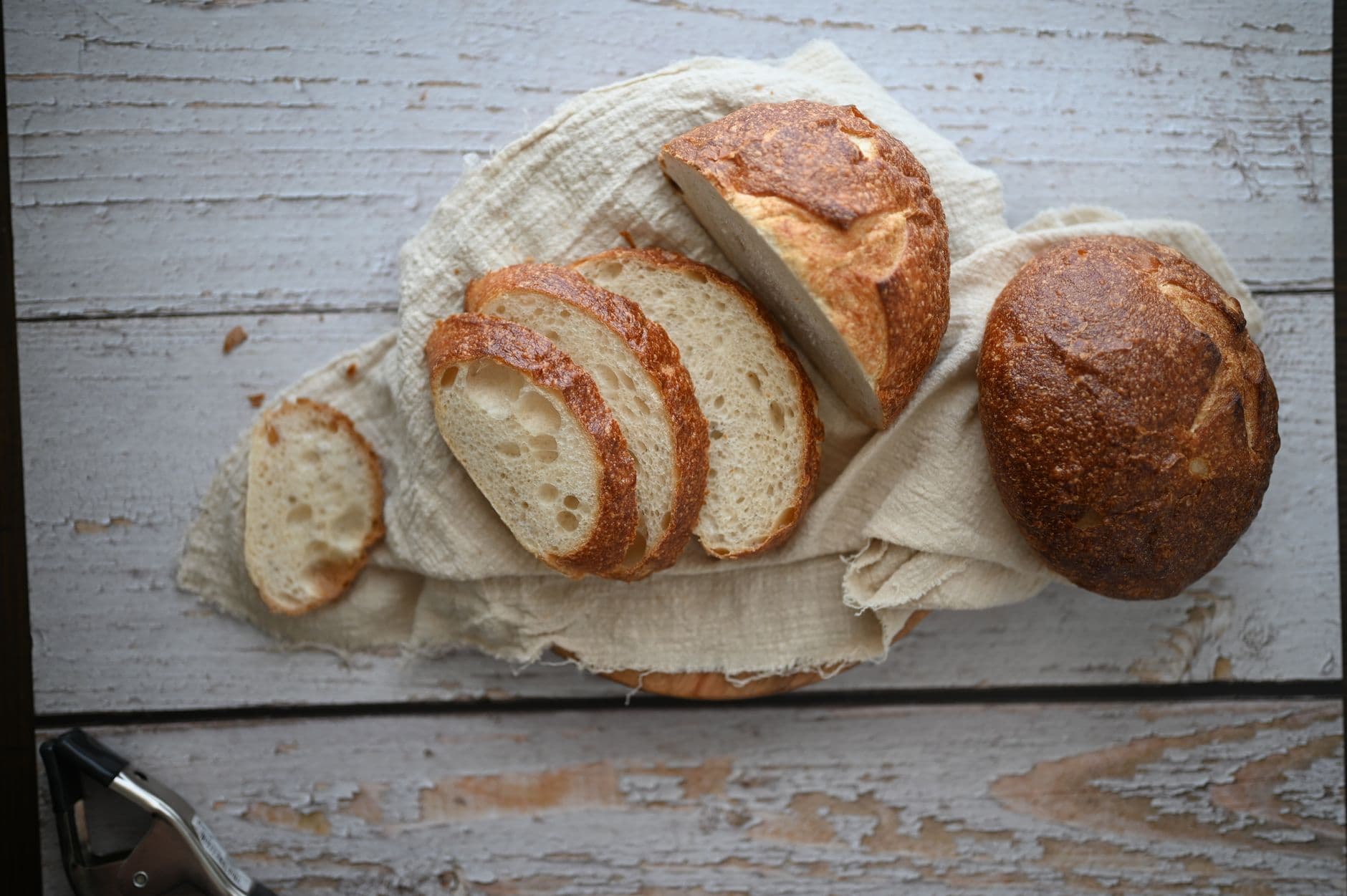
This is where grocery-store assumptions fall apart. Not every loaf sold as sourdough is the real thing, because some products lean on sour flavoring rather than true fermentation. Those breads may taste right, but they will not necessarily deliver the same blood sugar behavior as a genuinely fermented loaf.
The front of the bag can also overstate what the loaf is doing for you. A bread labeled whole wheat may still be more refined than you expect, and a sourdough label does not tell you how much fiber is in the slice or how large that slice really is. If two sandwiches look nearly identical, the one with more total carbohydrate and less fiber will usually be the one that pushes glucose harder.
What to check before you buy, or bake
When you are standing in front of the shelf, the questions that matter are simple:
- Is it truly fermented, or just sour-flavored?
- Does the ingredient list show 100 percent whole grain, or just a token amount of whole wheat?
- How many grams of total carbohydrate are in one slice?
- How much fiber does that slice deliver?
- What is the actual serving size, not just the marketing language on the front?
For home bakers, the answer gets even more interesting, because you can stack the advantages. A loaf made with whole grain flour and real fermentation has the best shot at slowing digestion from both sides, through fiber and through the acids created during fermentation. That combination is the closest thing to a practical sweet spot for blood sugar, especially when the slice size stays honest.
The bread that treats blood sugar best is rarely the one with the loudest label. It is the one that digests more slowly, carries real fiber, and tells the truth about what is actually in the loaf, which is exactly the detail the bread aisle tends to bury.
This article was produced by Prism’s automated news system from verified source data, official records, and press releases, then run through automated quality and moderation checks before publishing. The system is built and supervised by the people who set the standards it runs under. Read our full AI policy.
Know something we missed? Have a correction or additional information?
Submit a Tip