Soft sourdough sandwich bread for everyday family use
Milk, butter, and honey turn sourdough into a soft pan loaf that still tastes tangy. It slices cleanly for sandwiches, toast, and school lunches.
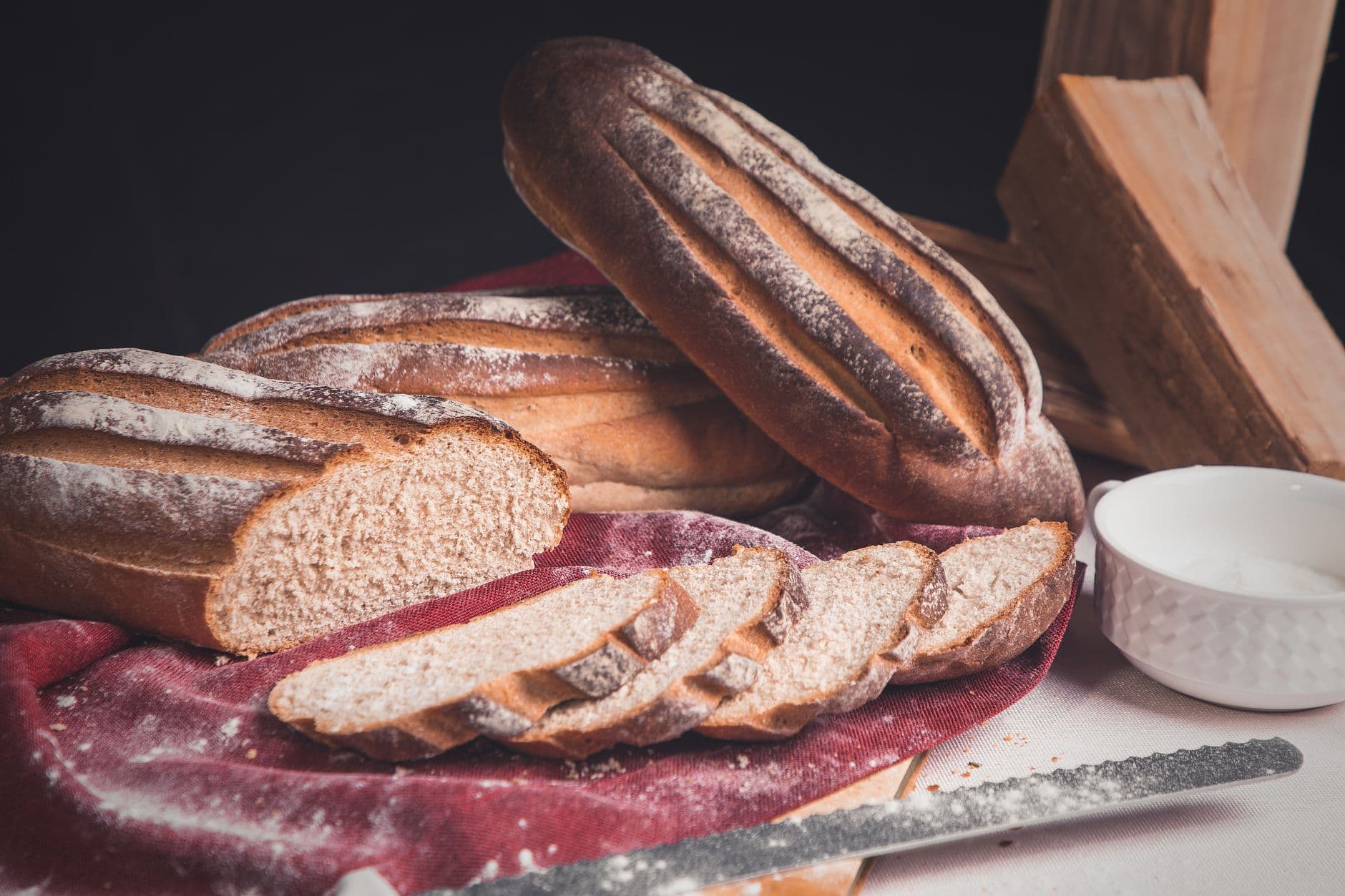
The starter is not the fragile pet people make it out to be. If you want sourdough that actually works for a family table, the trick is not to abandon the process, but to stop forcing it into a crusty, artisan shape that fights every sandwich you try to make. Emma’s loaf takes the familiar sourdough tang and wraps it in a softer, more useful package: a pan bread that slices cleanly, stays tender, and still tastes like wild-yeast bread.
Why this loaf solves the everyday bread problem
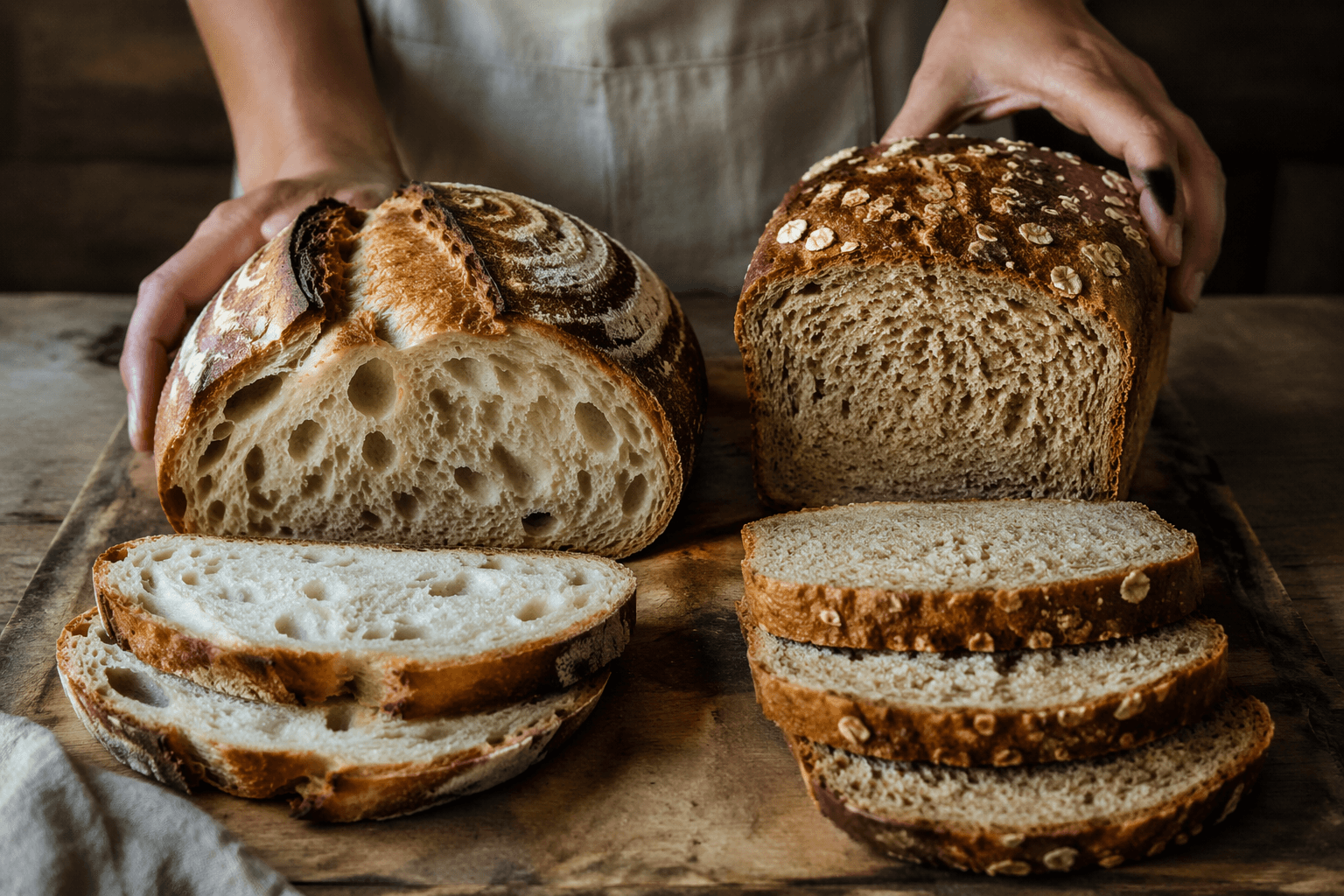
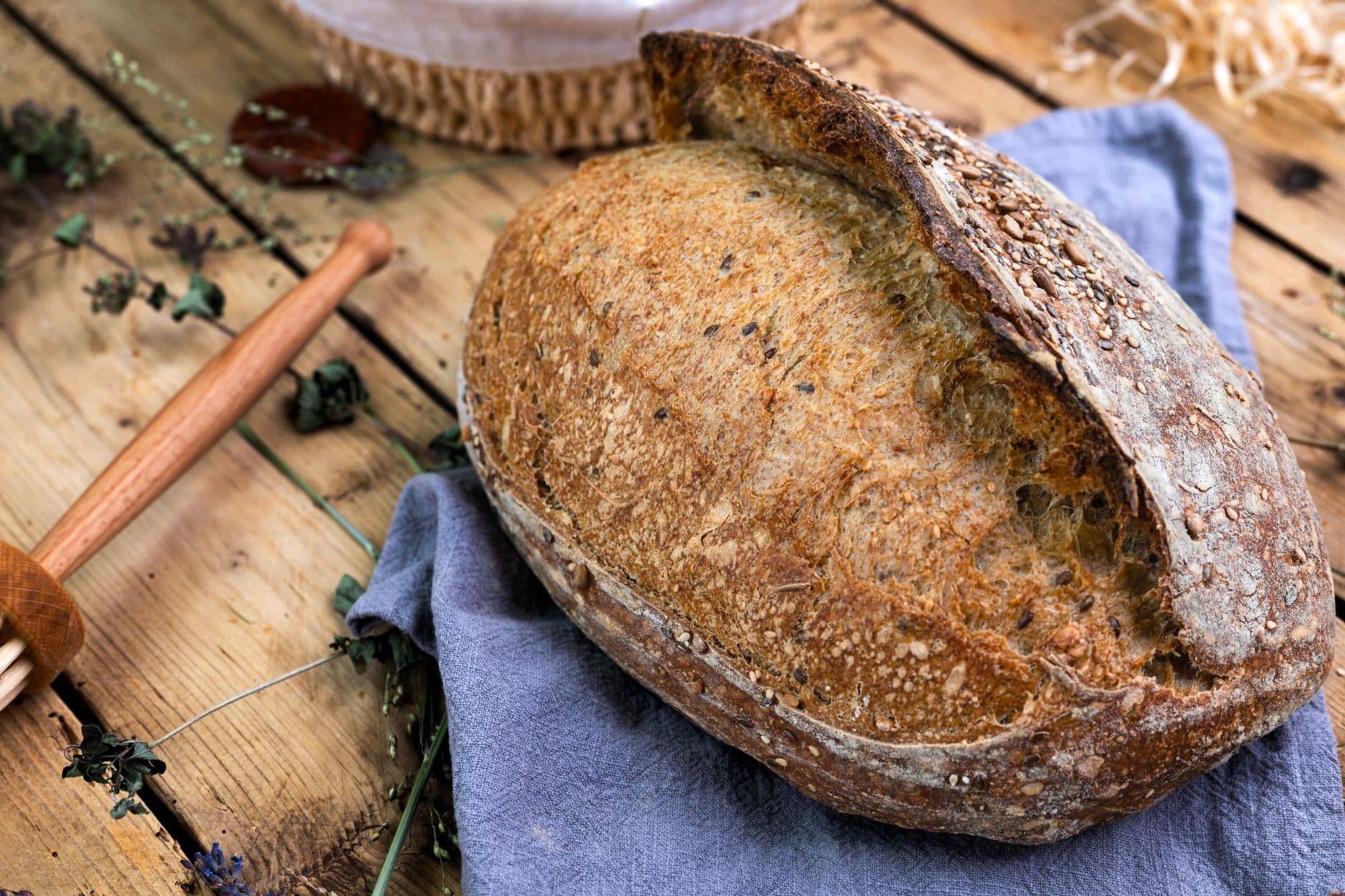
This is the anti-artisan utility loaf, and that is exactly why it works. A beautiful boule has its place, but it is often too crusty, too chewy, and too dramatic for lunchboxes, breakfast toast, or a quick grilled cheese. Emma’s goal is simpler: keep the sourdough character, lose the mouth-scraping crust, and make something that behaves like sandwich bread without tasting bland.
That is also where the family angle matters. Kids peel off hard crusts. Adults want bread that can hold fresh tomatoes, a thick slice of cheddar, or a fried egg without falling apart. A soft sourdough sandwich loaf solves those everyday jobs better than a rustic round ever will.
The ingredient levers that change crust and crumb
The big move here is enrichment. Milk, butter, and honey shift the dough away from the lean, chewy profile of classic artisan sourdough and toward a loaf that feels pillowy instead of sharp. Milk contributes flavor, promotes tenderness, and increases browning. Butter and other fats act as softeners that tame gluten and make bread more tender.
That is the whole game: you are not just adding richness, you are changing structure. Fats coat gluten strands, which takes some of the bite out of the crumb and helps the loaf stay softer from day one. The result is a bread that still has a tangy sourdough spine, but a much more forgiving texture for sandwiches, toast, and school lunches.
Hydration still matters, but enriched dough behaves differently from a plain country loaf. Milk and butter change how the dough feels in your hands, so you are not chasing an open, rustic crumb here. You want softness, evenness, and sliceability. If you push hydration too far, you start losing the neat, sandwich-ready shape that makes this loaf useful in the first place.
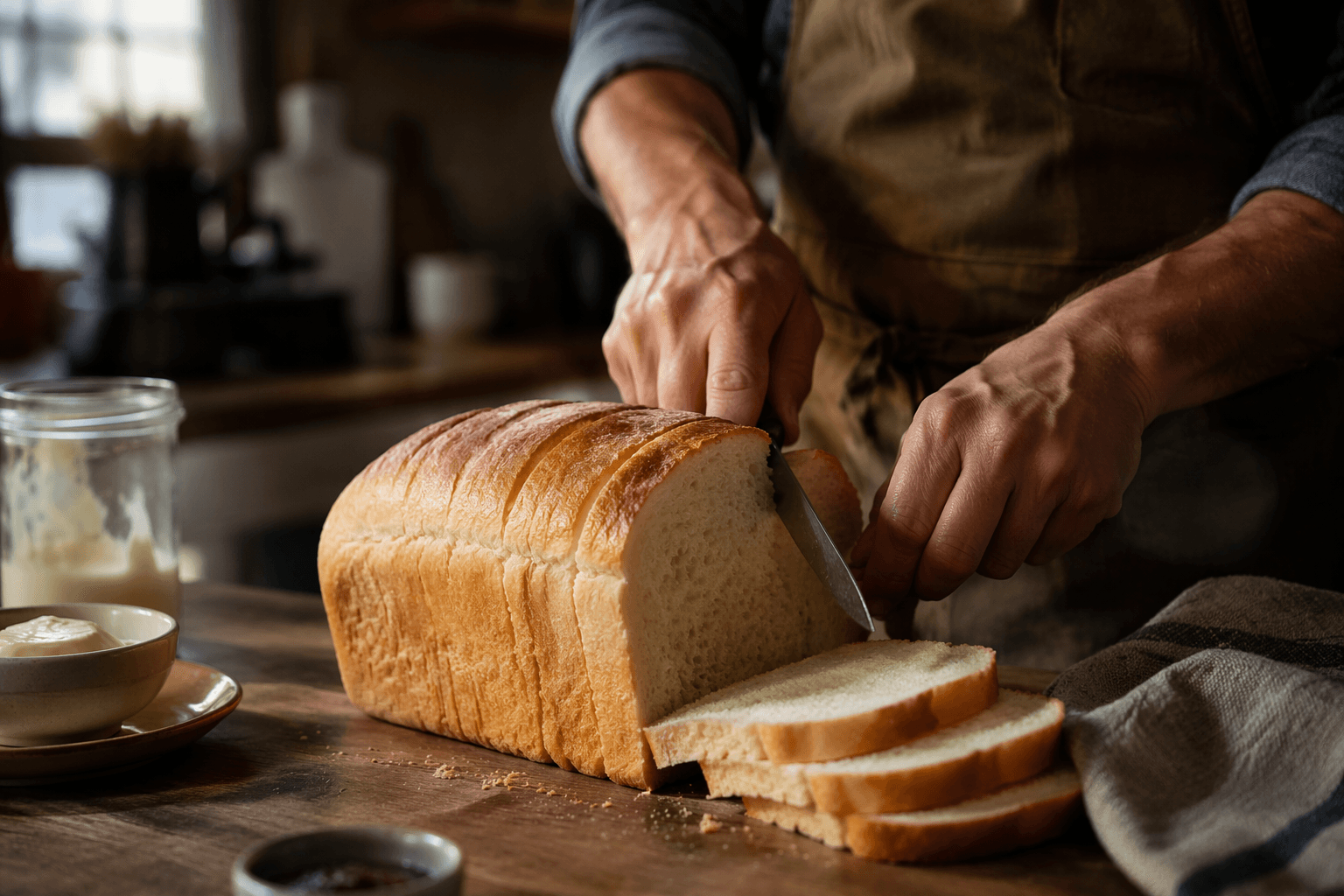
Pan choice matters for the same reason. A standard 8 by 4 inch pan gives the dough the support it needs to rise up instead of spreading out. That narrower, enclosed shape is what turns sourdough from a showpiece into a practical loaf. It is the difference between bread that looks impressive on a board and bread that actually fits a lunch bag.
Steam and bake profile matter too, but in a different way than they do for artisan boules. You do not need the aggressive steam setup that helps a crusty loaf spring open and crackle. For this style of bread, the aim is a softer exterior and an even, light-golden crust, not a brittle shell that shatters when you cut it.
How Emma’s dough comes together
The method is refreshingly direct. You start with fed starter, then mix it with warm liquid, honey, and butter. After that, bread flour and salt go in, and the dough is kneaded until smooth. It is the kind of workflow that feels familiar once you have made a few sourdough loaves, but it is clearly aiming at softness rather than a wild, open crumb.
1. Combine the fed starter with the warm liquid, honey, and butter.
2. Add the bread flour and salt.
3. Knead until the dough is smooth.
4. Bulk ferment for 5 to 7 hours, until the dough doubles.
5. Shape for the 8 by 4 inch pan and bake.
The full process can be done in about 0 to 13 hours, including fermentation and baking, which is part of the appeal. It is still real sourdough, still built around fermentation, but it does not demand the kind of all-day babysitting that can make homemade bread feel like a weekend project instead of a weekday staple.
What to expect from a softer sourdough
King Arthur Baking describes its Sourdough Sandwich Bread as a richly flavored, soft-textured sandwich loaf made with levain, and that is the right target here. The point is not to erase the sourdough flavor. The point is to package it in a loaf that can actually be used like bread every day, including with fillings like fresh tomatoes.
King Arthur Baking’s Sourdough Milk Bread pushes the same idea even further. It is described as soft, fluffy, tender, and still carrying a lingering tang from ripe sourdough starter, with the added advantage of staying that way for several days. That is the kind of texture you want when you are baking for sandwiches, toast, and general weeknight eating, not just for a photo.
If you want a benchmark for extreme softness, tangzhong is the classic reference point. King Arthur Baking calls it an Asian yeast-bread technique used to make very soft, pillowy loaves, and it helps bread stay fresh longer. Milk bread in Japan became the de facto everyday bread there, known for a feathery crumb, moist interior, slightly sweet taste, and soft exterior. That is not an accident, it is a design choice, and it is one reason softer pan loaves have such obvious appeal.
The bigger shift behind this loaf
This recipe sits inside a broader move: sourdough is no longer trapped in the crusty boule lane. Bakers are using starters for sandwich loaves, milk breads, and other softer formats that make more sense for family routines. King Arthur Baking’s Butter-Enriched Bread recipe says the same thing in plainer language, a milk and butter-enhanced bread makes wonderful sandwiches and perfect toast.
That is the practical truth here. Sourdough is one of the oldest forms of leavened bread, and it was the standard method of breadmaking for most of human history before industrial baker’s yeast took over in the late 19th and early 20th centuries. This softer loaf is not a gimmick or a compromise. It is just sourdough being asked to do a different job.
So if the usual crusty boule feels like the wrong tool for Tuesday morning, this is the fix: keep the starter, keep the tang, and change the vessel. Milk, butter, honey, a loaf pan, and a gentler bake profile turn sourdough into bread that fits the way families actually eat.
This article was produced by Prism’s automated news system from verified source data, official records, and press releases, then run through automated quality and moderation checks before publishing. The system is built and supervised by the people who set the standards it runs under. Read our full AI policy.
Know something we missed? Have a correction or additional information?
Submit a Tip