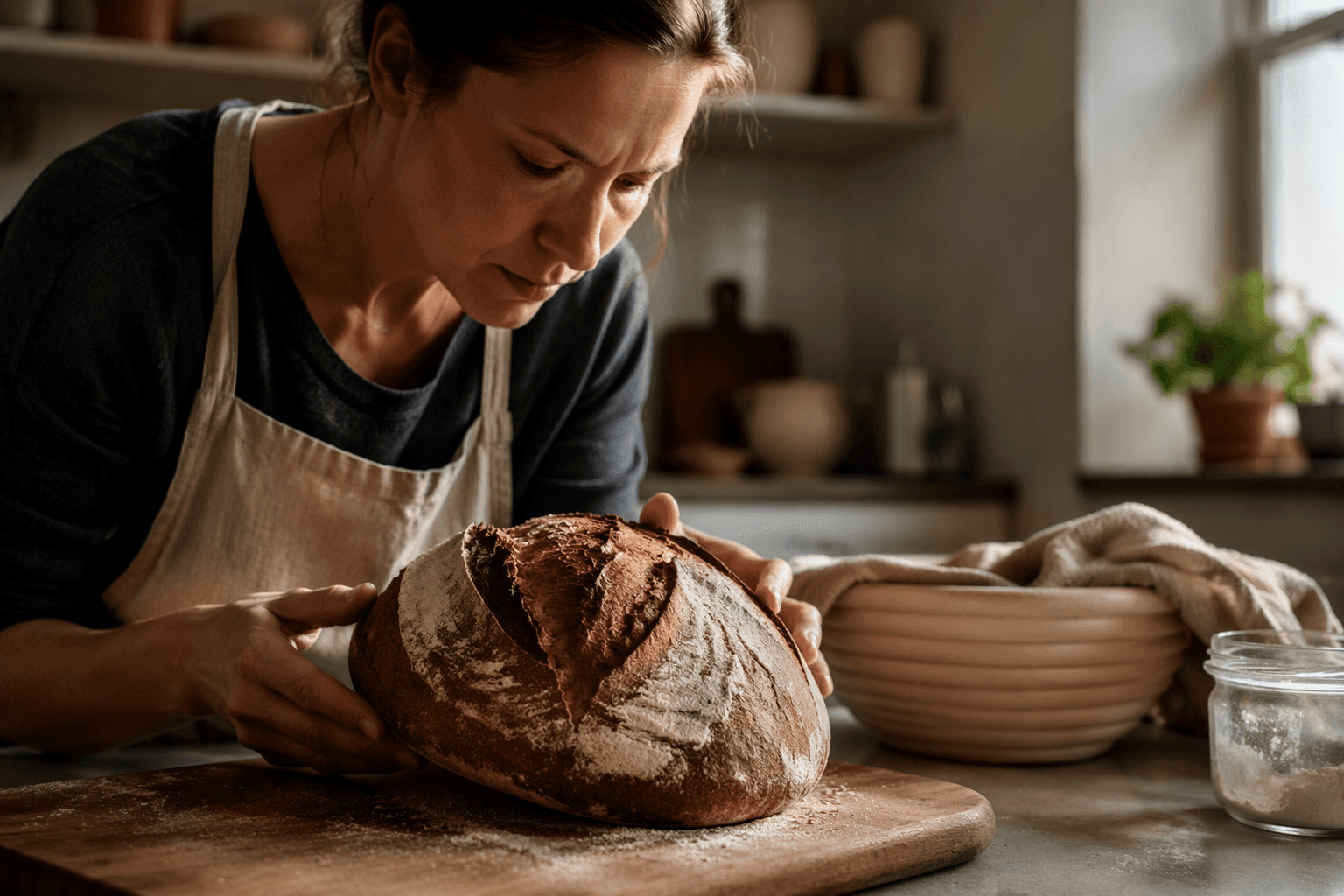
Sourdough starter obsession leads baker toward yeast-based medical research
Chantle Edillor’s starter obsession did more than improve bread. It pushed her from human disease studies into yeast-based research, proving sourdough can shape a science career.
A starter that rewired a career
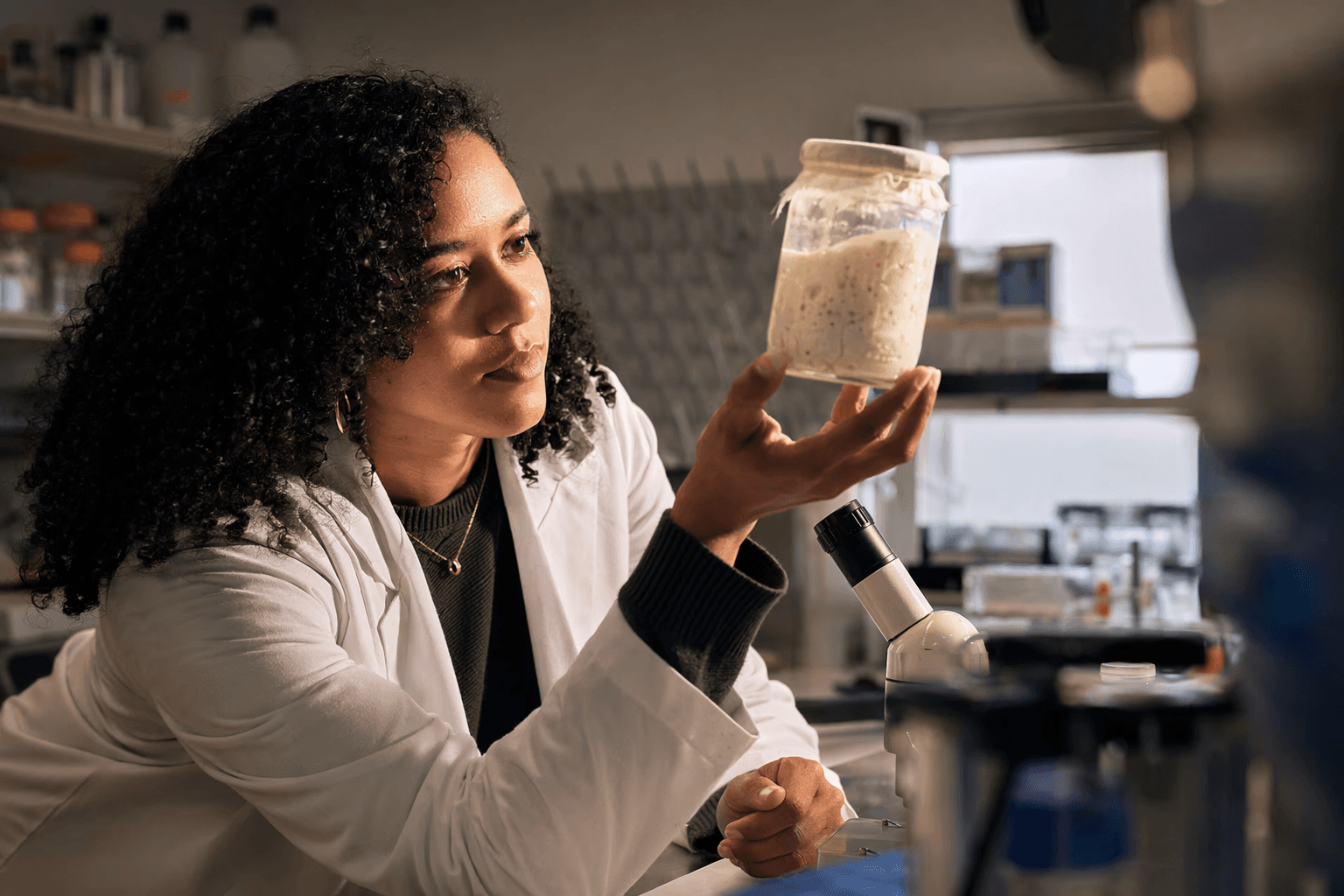
Chantle Edillor’s sourdough habit did not stay in the kitchen. What began as an interest in starters helped push her away from studying human diseases and toward yeast-based cures, turning a baking fascination into a research direction with real scientific weight. That shift is the center of her story, but the larger takeaway is even bigger: sourdough is no longer just a comforting hobby. It is a living system that can train the eye, sharpen observation, and open a path into microbiology and biomedical research.
The appeal here is not simply that Edillor likes bread. It is that she found in sourdough the kind of hands-on, repeatable, endlessly variable system that scientists recognize immediately. A starter has to be fed, watched, smelled, and adjusted. Those habits mirror the discipline of lab work, where small changes matter and living organisms respond to how they are maintained.
Why a jar of starter can teach scientific thinking
Sourdough starters are microbial ecosystems, not just flour and water. They contain yeasts and lactic acid bacteria that generate carbon dioxide, acids, and flavor compounds, which means every feed, rest, and fermentation cycle is an experiment in how living communities behave. That is why sourdough has become such a useful bridge between home baking and research: it makes microbial life visible, active, and measurable.
For someone like Edillor, that matters because the same instincts that help a baker notice rise, aroma, sourness, and resilience also translate to research on yeast-based cures. Sourdough rewards close observation and patience. It also teaches that tiny maintenance choices can change the outcome, which is exactly the kind of thinking that matters when studying disease, fermentation, or any system built on interacting microbes.
What the science says about sourdough communities
The broader research around sourdough makes Edillor’s pivot look less surprising and more inevitable. A major 2021 study analyzed 500 sourdough starters from four continents and found that geography had little influence on microbial diversity compared with how the starter was maintained. In plain terms, what you do to the starter matters more than where you live, and that is a powerful idea for bakers who obsess over feed ratios, flour choice, timing, and temperature.
More recent ASM work on over 500 starters sharpened that picture further. It found only modest effects from geography and flour type on species prediction, while flour type did significantly affect lactic acid bacteria composition. The common yeast genus Kazachstania was abundant across starters, a reminder that sourdough is not one fixed organism but a recurring microbial pattern shaped by care, environment, and routine.
Why researchers keep coming back to sourdough
Sourdough has a long human history, but its scientific value has only recently been mapped in detail. The big shift in the field is that researchers now treat starters as model systems, not just culinary traditions. They are simple enough to study, but complex enough to reveal how microbial communities assemble, survive, and compete.
That is where Tufts research becomes especially relevant. Recent work there suggests sourdough starter interactions may help predict which microbial species survive in more complex communities, with possible lessons for food facilities, farms, hospitals, and even the human body. That is a wide reach for a bowl of dough, but it makes sense: if you can understand why one microbe thrives in a starter while another fades, you are closer to understanding how mixed communities behave in far less forgiving settings.
The community side of the career path
Edillor’s story also reflects how sourdough culture works as a community, not just a solo practice. Bakers trade starter maintenance tricks, compare fermentation timelines, and swap notes on flour behavior, aroma, and crust. That peer-to-peer learning is part of what makes sourdough such a strong entry point into science, because it encourages experimentation without waiting for a formal lab setting.
Tufts’ Wolfe Lab has leaned into that reality by offering sourdough starter microbiome profiling as a public-facing service. The lab’s message is simple: home starters are scientifically informative, and bakers can learn what yeasts and bacteria are shaping their loaves. That kind of outreach turns a personal obsession into a bridge between households and research institutions, which is exactly the kind of bridge Edillor’s path represents.
What this means for bakers who want more than good bread
The lesson in Edillor’s career shift is not that every sourdough baker needs to become a scientist. It is that the habits built around starter care already resemble a scientific workflow. Feeding a culture on schedule, tracking changes in smell and rise, testing different flours, and comparing fermentation outcomes all build the same muscle memory that serious research depends on.
Three things make sourdough such a strong gateway skill:
- It trains observation. A starter tells you when it is thriving, stressed, or changing.
- It rewards controlled experimentation. One feed, one flour, or one temperature change can alter the result.
- It connects you to a broader microbial world. The jar on the counter is a real ecosystem, not a metaphor.
That is why Edillor’s journey feels so relevant right now. Nature has already noted before that some researchers have turned yeast and fermentation interests into careers outside academia, and her story fits that pattern with unusual clarity. Sourdough can begin as a weekend project, but for the right person, it becomes a way of thinking, a research lens, and even a professional identity.
A hobby that can point toward a new field
Edillor’s pivot shows how a starter can do more than rise bread. It can redirect curiosity toward yeast, fermentation, and the biology of living systems, and from there toward work with real medical and scientific implications. In a moment when sourdough continues to sit at the crossroads of food culture and microbiology, the jar on the counter is looking a lot like a career incubator.
This article was produced by Prism’s automated news system from verified source data, official records, and press releases, then run through automated quality and moderation checks before publishing. The system is built and supervised by the people who set the standards it runs under. Read our full AI policy.
Did this article answer your question?