Blue Baker marks 25 years, a local craft bakery success story
Blue Baker’s 25-year run shows how sourdough flavor, café convenience, and local habit turn a bakery into an institution.
Blue Baker marks 25 years, a local craft bakery success story
Blue Baker’s staying power comes from a simple idea done well for a long time: make bread people can taste, build a menu they can use every day, and stay woven into the rhythm of College Station. That formula has carried the bakery from its first location on Dominik Drive to a three-shop footprint that still feels local, not corporate, which is exactly why its 25-year run matters to anyone tracking where artisan bread culture goes next.
The real lesson in Blue Baker’s 25 years
A lot of craft bakery brands peak when the trend is hot. Blue Baker took a different route by leaning into habit instead of hype. Texas Monthly has described the business as one that has drawn students and locals alike for more than two decades, and that matters because bread businesses rarely survive on prestige alone. They survive when people treat them as part of lunch, coffee, and weeknight pickup, not just a special occasion stop.
That is the core durability test here. Blue Baker did not have to reinvent itself every season to stay relevant. It kept a clear identity around artisan bread, pizza, pastries, sandwiches, and a bakery-café feel, which gave it enough range to serve different parts of the day without losing the sense that bread is still the anchor.
Why the sourdough story actually matters
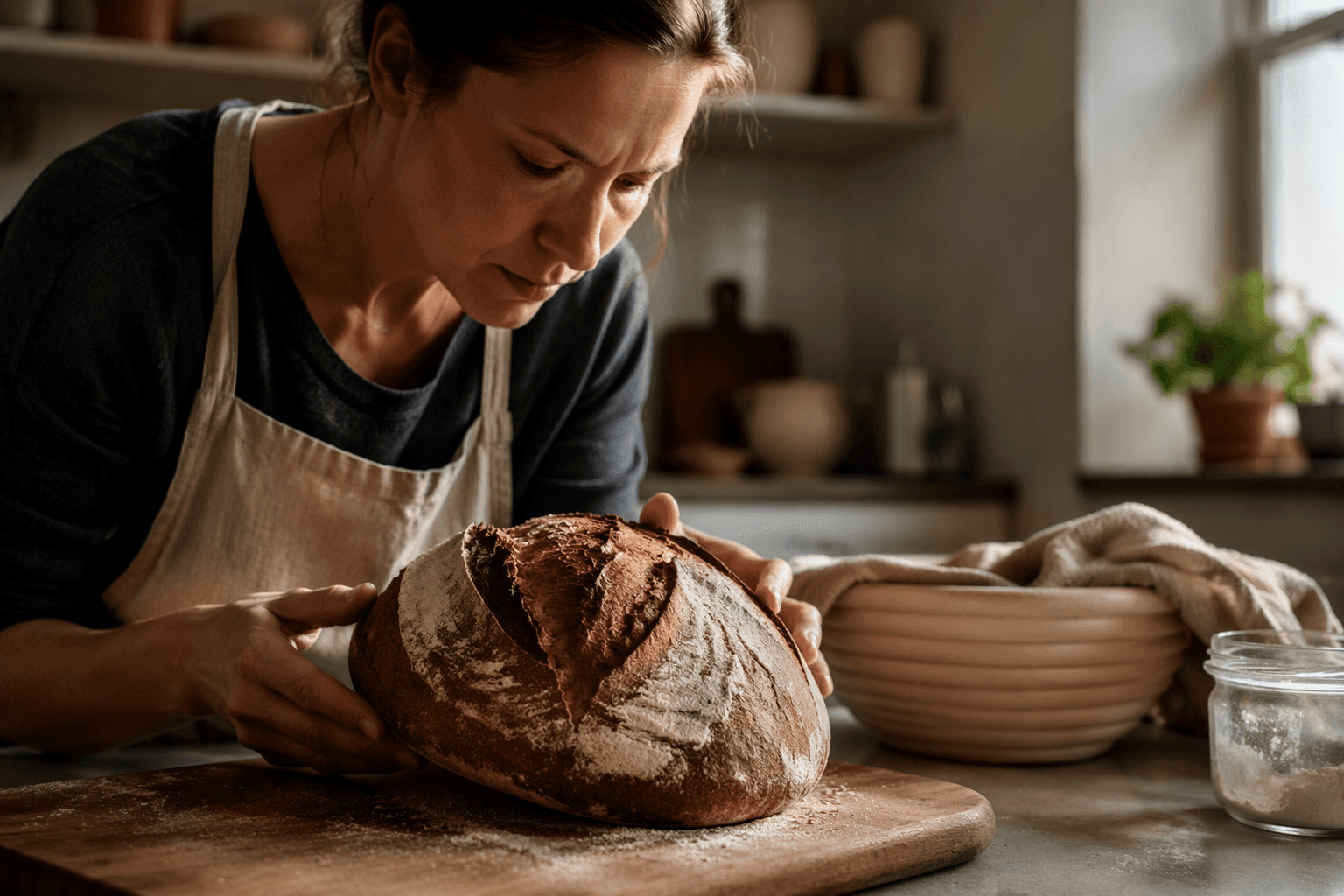
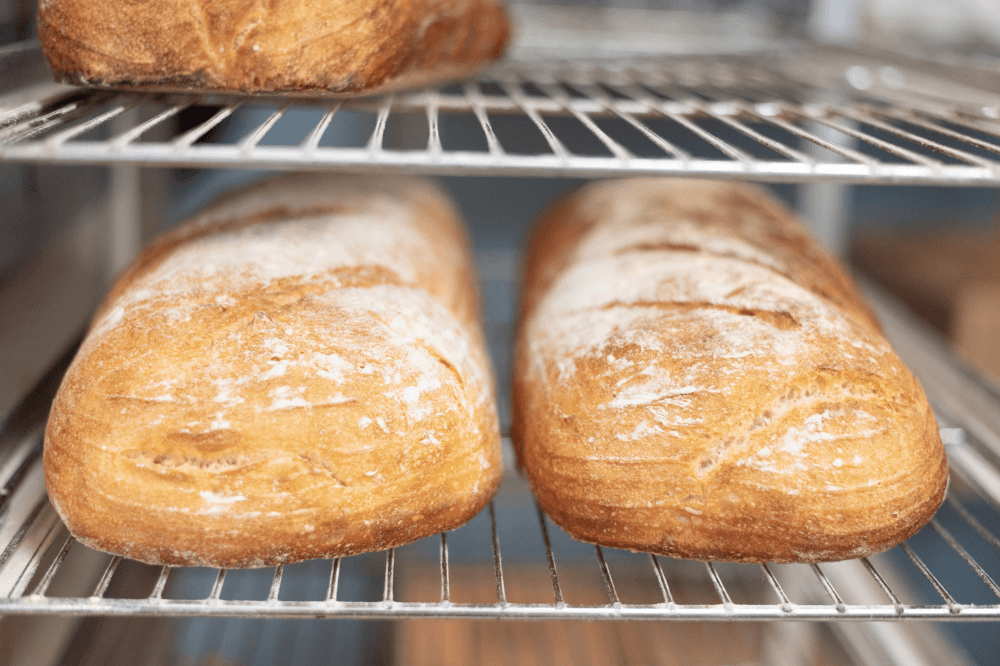
Blue Baker says its signature bread gets its unmistakable flavor and aroma from an in-house sourdough starter, and its bakers have been feeding that starter day and night for fifteen years and counting. That detail is more than a nice menu note. It tells you the bread is built on continuity, maintenance, and the kind of daily discipline that sourdough people recognize immediately.
For sourdough readers, this is the kind of operation where starter culture becomes brand culture. The starter is not a gimmick on the menu board; it is part of the bakery’s identity, and that kind of consistency is what makes repeat visits feel justified. When a business can talk credibly about starter care, it signals craft in a way customers can feel, even if they never see the dough room.
How the business turned into a local habit
The origin story is classic in the best sense. DCF Blue Baker, LLC was filed on December 15, 2000, and Blue Baker says the first location opened in May 2001 on Dominik Drive in College Station. A local anniversary feature says the founding date was May 15, 2001, which gives the story a clean milestone and a clear starting point for the quarter-century mark.
Founder Dave Fox had long envisioned opening a bakery café, and the unexpected move to College Station helped turn that idea into an actual business. That is often how durable bakery brands begin: not with a giant rollout plan, but with a place that gives the concept room to breathe and regulars a reason to return. Once the first shop settled into the city’s daily routine, the model could grow without losing its neighborhood feel.
The menu mix that kept it relevant
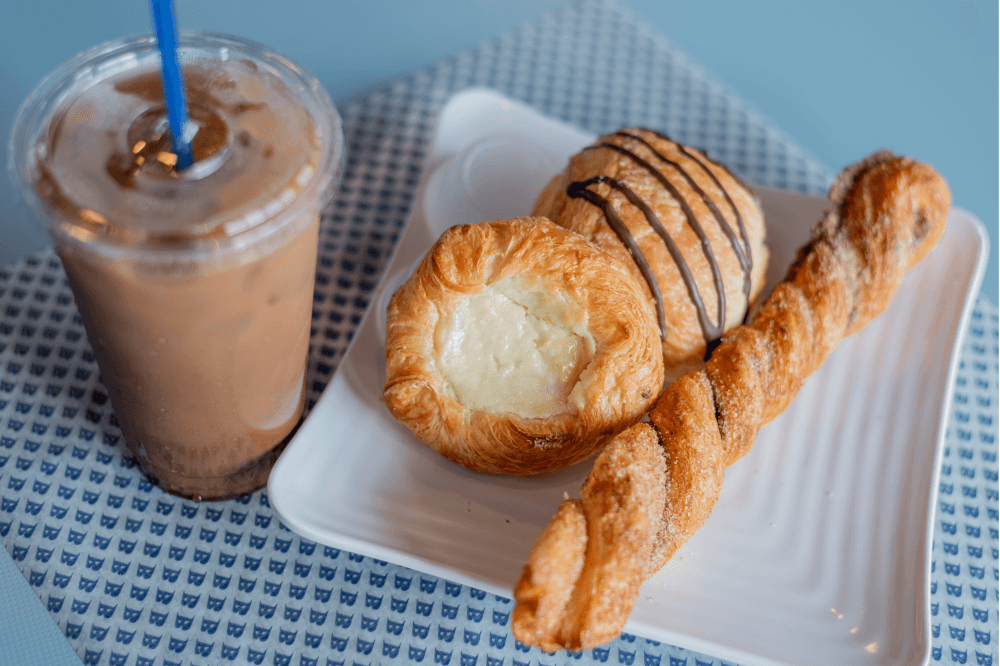
Blue Baker’s menu works because it reaches beyond bread without abandoning bread. Visit College Station describes the bakery as founded in College Station in 2001 and serving fresh pastries, made-from-scratch sandwiches, stone-oven pizzas, and much more. That mix matters in a university town like College Station, where one customer may want breakfast pastry, another wants a sandwich, and another needs an easy dinner solution.
That breadth is exactly what makes a bakery feel like part of everyday life. Bread alone can create admiration; bread plus lunch, pizza, and pastries creates habit. The best craft bakery businesses know that artisan quality has to meet ordinary convenience, or else it stays admired from a distance instead of becoming part of a weekly routine.
From one storefront to three local locations
Blue Baker now lists three College Station locations: Dominik Drive, Mills Park Circle, and University Drive East. Those addresses tell the story of a brand that expanded carefully inside the same city rather than chasing growth for its own sake. The result is scale without losing the local footprint that made the bakery meaningful in the first place.
Texas Monthly notes that the business grew to three locations within the city limits, and that detail is important because it shows a model built for familiarity. Customers can recognize the brand, know what they are getting, and still feel like they are supporting a hometown institution. That balance is rare, and it is one reason Blue Baker has lasted while many trend-driven concepts fade.
The community playbook behind the longevity
Blue Baker’s milestone marketing shows that brand memory matters. A 20-year anniversary promotion included free-cookie day and throwback Thursday prices, which is smart bakery marketing because it rewards existing customers with something tangible and easy to understand. Those kinds of promotions do not just sell a single day’s traffic; they reinforce the idea that the bakery has been part of people’s routines for years.
That approach fits the broader story. The strongest local bakery brands do not act like distant food destinations. They act like neighbors with a good oven, a dependable starter, and enough personality to make a weekday stop feel worth repeating. In a community like College Station, that can be more valuable than novelty.
What sourdough-era bakeries can learn from Blue Baker
Blue Baker’s 25-year run shows that the most durable bakery businesses usually get three things right:
- A product identity customers can describe quickly, in this case bread with a real sourdough backbone.
- A menu broad enough to cover coffee, lunch, pizza, and pastries without diluting the brand.
- A local footprint that feels rooted in the city instead of parachuted in from somewhere else.
That is the practical takeaway for anyone watching the bread world now. The businesses that last are not always the loudest or the most experimental. They are the ones that make artisan baking feel normal, dependable, and worth folding into daily life. Blue Baker has spent a quarter-century proving that when a bakery gets that balance right, it stops being a trend and starts becoming part of the town itself.
This article was produced by Prism’s automated news system from verified source data, official records, and press releases, then run through automated quality and moderation checks before publishing. The system is built and supervised by the people who set the standards it runs under. Read our full AI policy.
Did this article answer your question?