Sourdough vs. Multigrain Bread: Which Choice Better Supports Your Health
Fermentation gives sourdough a metabolic edge, but multigrain wins on fiber. The real deciding factor is neither: it's what the ingredient list actually says.
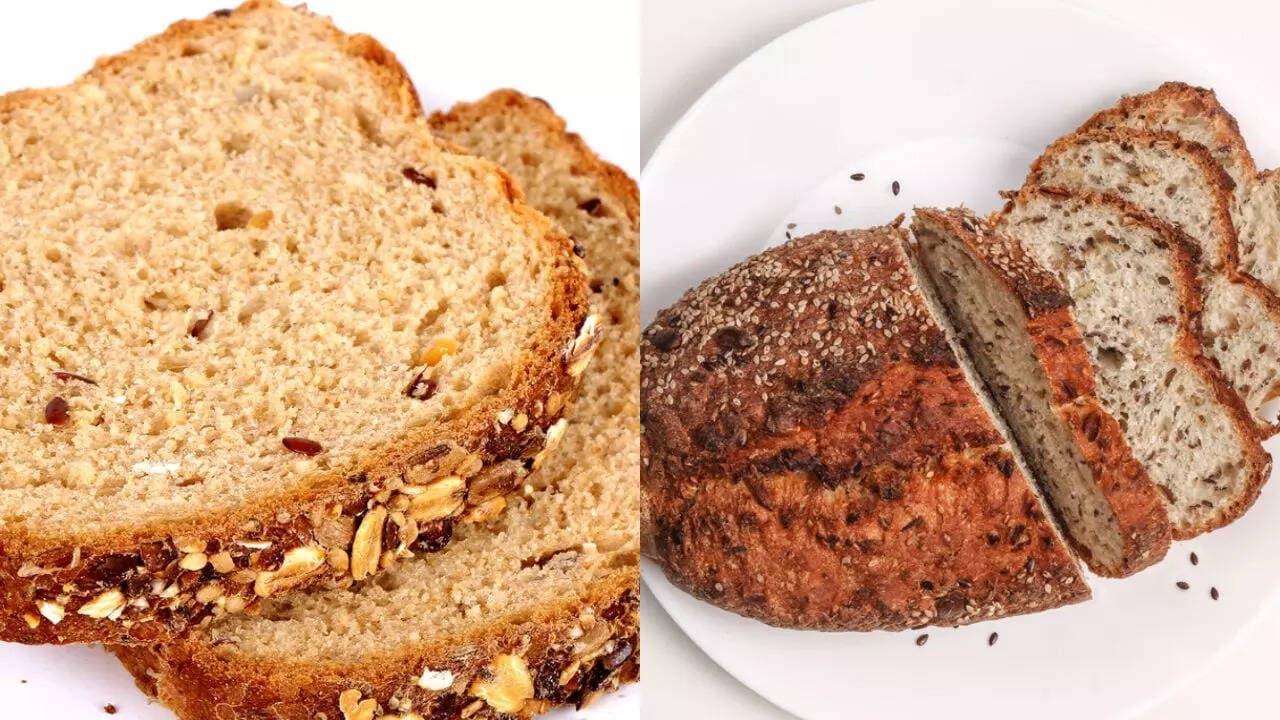
The Bread Aisle Problem No One Talks About Honestly
Bread is one of the most loved foods in the world, but it also creates the most confusion for people trying to lose weight. You walk into a supermarket, and suddenly there are eight varieties all promising health benefits. Two names dominate that conversation right now: sourdough and whole wheat multigrain. Both sit at the premium end of the shelf, both carry reputations as the sensible choice, and both will disappoint you if you grab the wrong loaf without reading past the front of the packet.
The honest answer to which one is better is that they do different things well. Understanding exactly what those things are will change how you shop for bread permanently.
What Fermentation Actually Does
The case for sourdough starts with its process, and it is a genuinely strong one. Traditional sourdough is leavened by lactic acid bacteria and wild yeasts rather than commercial yeast. That slow fermentation is not just a texture and flavor story; it changes the bread's nutritional chemistry in measurable ways.
During fermentation, lactic acid bacteria break down phytic acid, an antinutrient found in grain that binds to minerals and blocks their absorption. Research published in peer-reviewed nutrition journals has found phytate reductions of up to 90% in sourdough fermentation, which directly increases the bioavailability of minerals like magnesium, zinc, and iron. Fermentation also alters starch structure in a way that slows glucose release, producing a noticeably lower glycemic index compared to conventionally leavened breads. The practical outcome of that is exactly what the research describes: whole wheat sourdough is ideal for controlling hunger and maintaining stable blood sugar. If managing energy crashes and between-meal cravings is your primary concern, a properly made whole wheat sourdough has a genuine physiological argument behind it.
The critical qualifier in that sentence is "properly made whole wheat." A white flour sourdough, however artisanally produced, does not carry the same fiber and mineral profile. The fermentation process improves what is already there; it cannot manufacture what the grain never contained.
The Multigrain Naming Trap
Whole wheat multigrain bread has a different strength: fiber and nutrient density, when the product is actually what it claims to be. A true 100% whole wheat multigrain provides more fiber and nutrients than most single-grain loaves, drawing from the full spectrum of oats, millet, flax, barley, and other grains in its mix. Fiber feeds beneficial gut bacteria, supports regular digestion, and contributes to sustained fullness.
The problem is the word "multigrain" itself. It means only that more than one grain is present. It says nothing about whether those grains are whole or refined. Harvard Health analysis has noted that front-of-package language like "multigrain" and "wheat" routinely misleads consumers into overestimating whole grain content, with studies showing that roughly half of participants incorrectly identified less nutritious products as the healthier option based on label framing alone. A multigrain loaf made primarily from refined wheat flour with token amounts of other grains delivers very little of the benefit the name implies.
This is why "reading the label carefully is more important than the name on the packet" is not a throwaway caution. It is the central fact of this comparison.
What Each Bread Does for Your Body
To put it plainly, sourdough and multigrain support health in different ways, and neither is universally superior:
- Whole wheat sourdough excels at blood sugar management and mineral absorption. The fermentation process produces organic acids that slow digestion and flatten the post-meal glucose curve. It is the stronger choice if you are managing hunger, energy stability, or have any sensitivity to conventional bread.
- 100% whole wheat multigrain excels at fiber delivery and broad nutrient variety. Multiple whole grains in one loaf means a wider array of B vitamins, trace minerals, and dietary fiber than most single-grain options. It is the stronger choice if your diet is already low in fiber or you want maximum nutritional variety per slice.
Both sourdough and multigrain breads are better choices than white bread, but they support weight loss in different ways. What tips the balance in a real shopping decision is not the category but the specific product.
How to Read the Label
This is where most bread decisions go wrong, and it is fixable with a straightforward checklist:
- Always check the label. The first ingredient should be whole wheat flour or whole grain flour. If refined wheat flour appears before whole grains, the health claims on the front are largely decorative.
- Choose sourdough only if it is made with whole grains. A sourdough loaf built on white flour loses the fiber advantage that makes the fermentation process worth anything metabolically.
- Pick multigrain bread with at least 3-4g fiber per slice. Anything below that threshold likely contains more refined grain than the packaging suggests.
- Avoid breads with added sugar, preservatives, or caramel color. Caramel color in particular is frequently used to make pale, low-fiber bread appear darker and more "whole grain" to the eye. Its presence on an ingredient list is a reliable red flag.
- Limit yourself to 1-2 slices per meal for best results. Even the best whole grain bread is a calorie-dense food, and portion control matters regardless of which type you choose.
The Decision That Fits Your Body
The best choice depends on ingredient quality and your body's response. Some people find that even a quality multigrain loaf causes bloating or digestive discomfort; for them, a well-fermented whole wheat sourdough is often easier to tolerate because the fermentation pre-digests some of the harder compounds in wheat. Others eat multigrain without any issue and benefit from the broader fiber profile.
When eaten mindfully, both sourdough and high-quality whole wheat multigrain bread can be part of a healthy weight-loss diet. Neither is a magic solution, and neither will undo a diet built on poor foundations. What they share is a genuine nutritional advantage over refined white bread when the product is made with actual whole grains.
The next time you are standing in that bread aisle, flip the loaf over. Ignore the font, the branding, and the color of the crust. Find the ingredient list. If whole grain flour leads it, and the fiber count clears 3g per slice, and there is no added sugar or caramel color in sight, you have found the right bread, whatever its name.
This article was produced by Prism’s automated news system from verified source data, official records, and press releases, then run through automated quality and moderation checks before publishing. The system is built and supervised by the people who set the standards it runs under. Read our full AI policy.
Did this article answer your question?