Sourdough's 6,000-year history, from ancient bread to modern starter
Sourdough began as ancient bread technology, and its oldest lesson still matters: keep a living starter, feed it well, and let fermentation do the work.
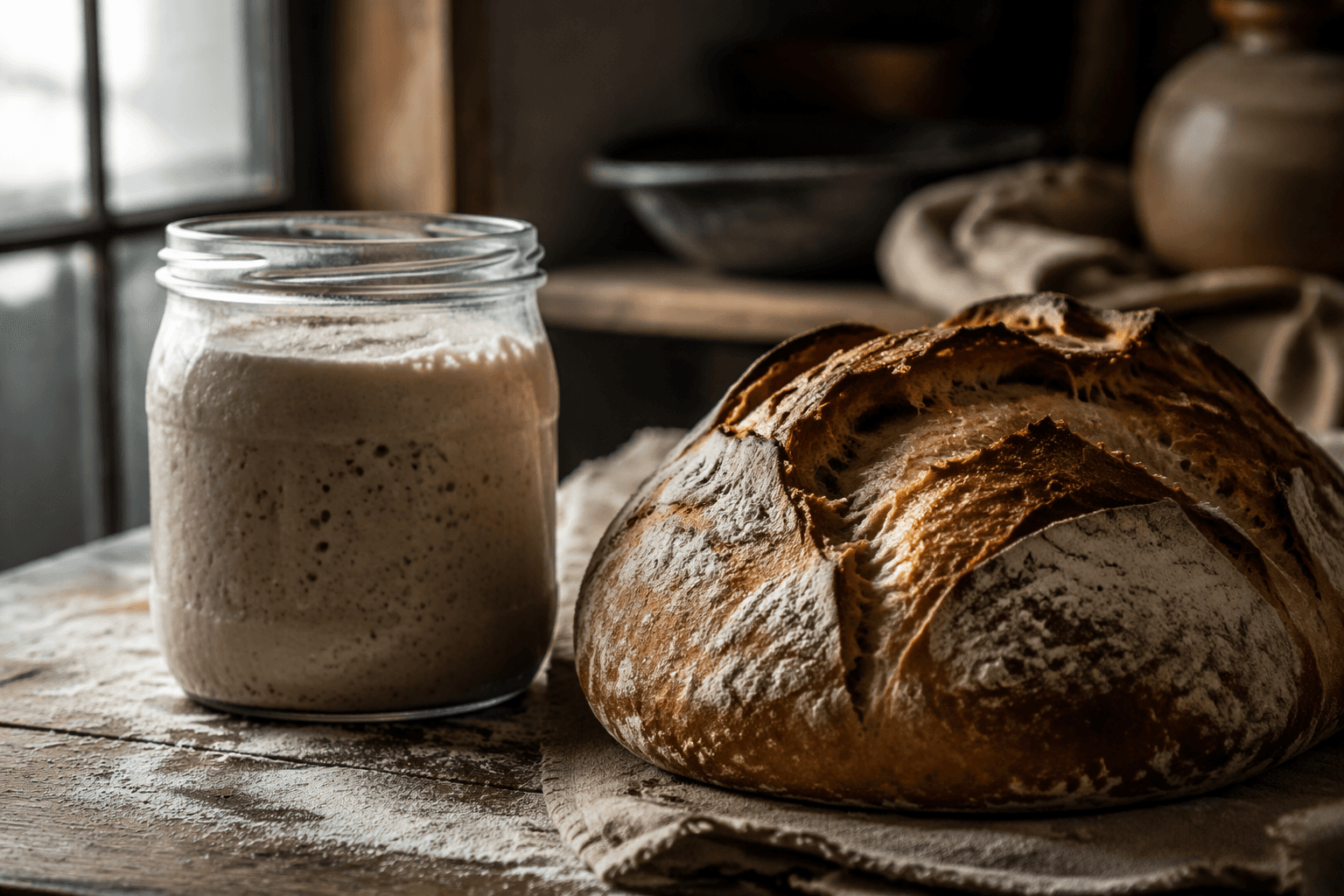
Keep a jar of starter on the counter long enough, and you are participating in a system that predates written history. Sourdough is not just a cozy home-baking project with a dramatic crumb shot attached to it. It is a 6,000-year-old method of making bread rise, and the home baker still works with the same core idea ancient bakers used: manage a living culture, respect the timing, and let fermentation build flavor.
From the Fertile Crescent to ancient Egypt
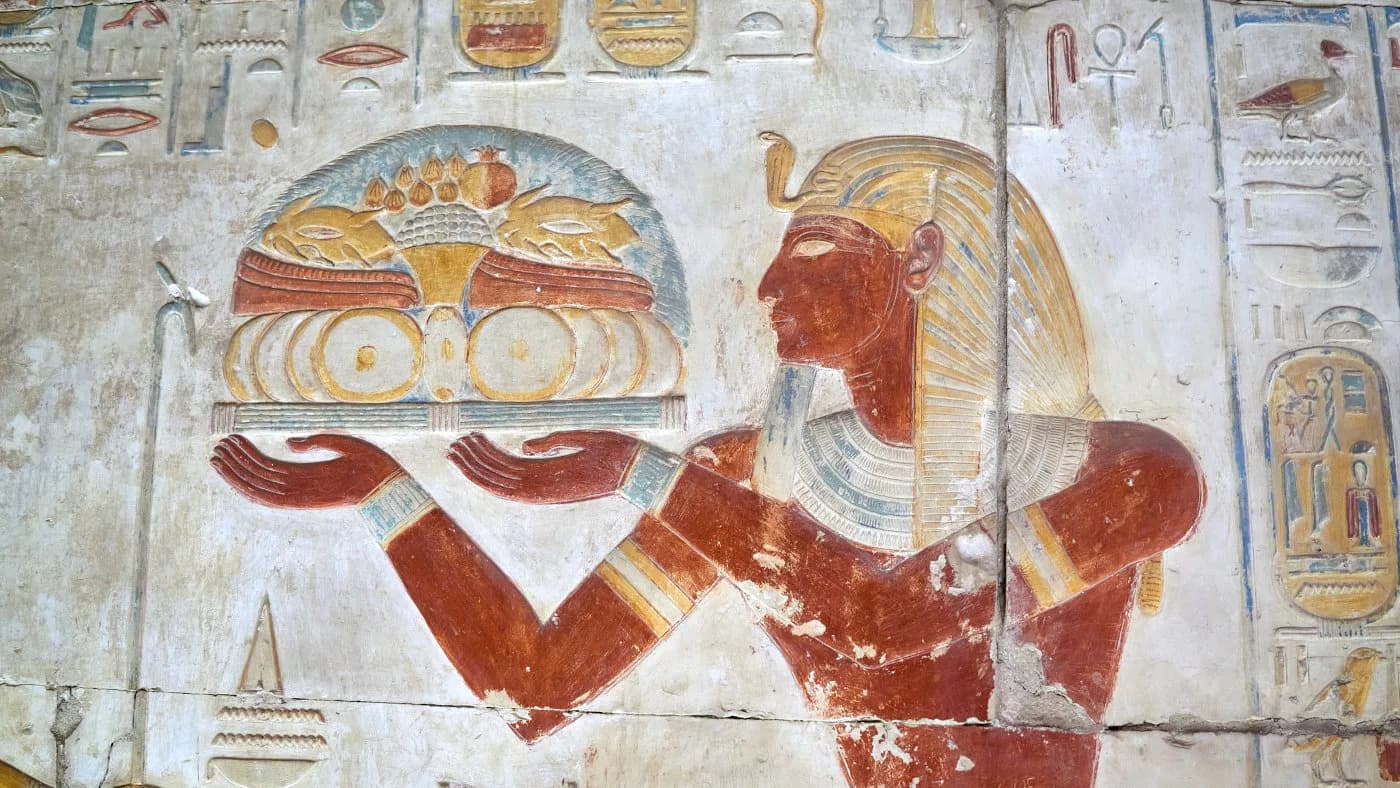
Breadmaking began in the Fertile Crescent and ancient Mesopotamia, but the clearest early evidence for leavened bread comes from ancient Egypt. Britannica says scientists have evidence that yeast use for bread originated there some 6,000 years ago, and many scholars credit the Egyptians with discovering leavening by about 2600 BCE. Britannica also describes sourdough as the oldest form of leavened bread, one that predates written history.
That history is not just a museum note. A 2020 Purdue University College of Agriculture story said sourdough starters’ first recorded use traces back to ancient Egypt, and it framed the process in kitchen terms with a blunt line: “Want to cook like the ancient Egyptians? You don’t need a fancy cookbook or the ability to read hieroglyphics, all you really need is a sourdough starter.” A PubPub Fermentology article in 2020 added a more industrial picture of the past, describing archaeological evidence for huge populations supported by large bakeries of sourdough breads in ancient Egypt.
Why sourdough outlived the industrial yeast shift
The real turning point for home bakers came much later, in the 19th century, when commercial baker’s yeast began displacing wild leavening in industrial bread production. Packaged yeast made bread faster and more uniform, which suited factory baking, but it also changed the relationship between baker and dough. Sourdough survived because it did things commercial yeast could not match as easily: it rewarded patience, developed deeper flavor, and tended to keep well.
That is why sourdough never disappeared. It remained valued in places and communities where slower fermentation and better shelf life mattered, and it kept its place as a bread that could be refreshed indefinitely without commercial yeast. In practice, that made starter feel less like an ingredient and more like an heirloom. It could be passed between bakers, maintained for years, and fed back into life each time someone wanted another loaf.
What is actually alive in the jar
Modern microbiology gives a name to what bakers have always sensed in a healthy starter. NIH and PubMed Central review articles describe sourdough as a microbial ecosystem, not just yeast, but wild yeasts and lactic acid bacteria working together. That partnership is what gives sourdough its lift, tang, and range of aromas, and it is also why two starters can behave so differently even when the method looks the same.
The community inside a starter is shaped by ingredients, the baker, flour type, and feeding schedule. That is the part many trendy sourdough discussions flatten into rules, but the science argues for something more interesting: your starter is specific to how you keep it. If you change the flour, change the timing, or change the way you maintain it, you are not just adjusting a recipe. You are changing the ecosystem.
The old lessons that still matter in a modern kitchen
The oldest lesson sourdough teaches is starter maintenance. Ancient or modern, the logic is the same: a starter only stays useful if you keep feeding it and paying attention to how it behaves. That is why sourdough culture has always felt more like stewardship than convenience baking, and why so many bakers talk about a starter as if it has a personality.
The second lesson is grain choice, which shows up now as flour type. A starter’s microbial community shifts with the flour it receives, so the grain you choose is part of the fermentation plan, not just a flavor decision. The ancient world depended on local grains and local fermentation patterns; today’s home baker can use that same principle by thinking carefully about which flour keeps a starter stable, active, and suited to the loaf you want.
The third lesson is patience. Ancient Egyptian bakeries were built around slower, managed fermentation, not rushed bread, and that still explains why sourdough needs a different rhythm from quick yeast doughs. The payoff is not only taste. Sourdough’s slower process helps create the complexity and keeping quality that made it valuable long before bread came out of a supermarket wrapper.
Archaeology meets the mixing bowl
The bridge between ancient practice and modern baking got a vivid update in 2019, when Seamus Blackley led a team that included Serena Love and Richard Bowman in baking bread with 4,500-year-old yeast extracted from ancient Egyptian ceramic vessels. Eater covered that effort on 2019-08-08, and The Art Newspaper followed with a related story on 2019-08-13 about historians baking sourdough bread with yeast that could date to ancient Egypt. That project landed because it made the past feel physically present: a real fermentation culture, pulled from an ancient container, coaxed back into bread.
BBC Travel’s 2022 story put that fascination into a larger frame, describing sourdough as having a nearly 6,000-year history and saying the search for the oldest starter spans continents, science labs, and libraries. That is the charm of sourdough in the home kitchen too. It sits at the intersection of archaeology and routine, the past preserved not in a display case but in a jar that needs feeding.
Sourdough still endures for the same reasons it began: flavor, flexibility, and the satisfaction of keeping a culture alive. The jar on the counter is a modern tool, but the instinct behind it is old enough to have shaped ancient Egypt, survived the rise of commercial yeast, and still reward the baker who is willing to wait.
This article was produced by Prism’s automated news system from verified source data, official records, and press releases, then run through automated quality and moderation checks before publishing. The system is built and supervised by the people who set the standards it runs under. Read our full AI policy.
Did this article answer your question?