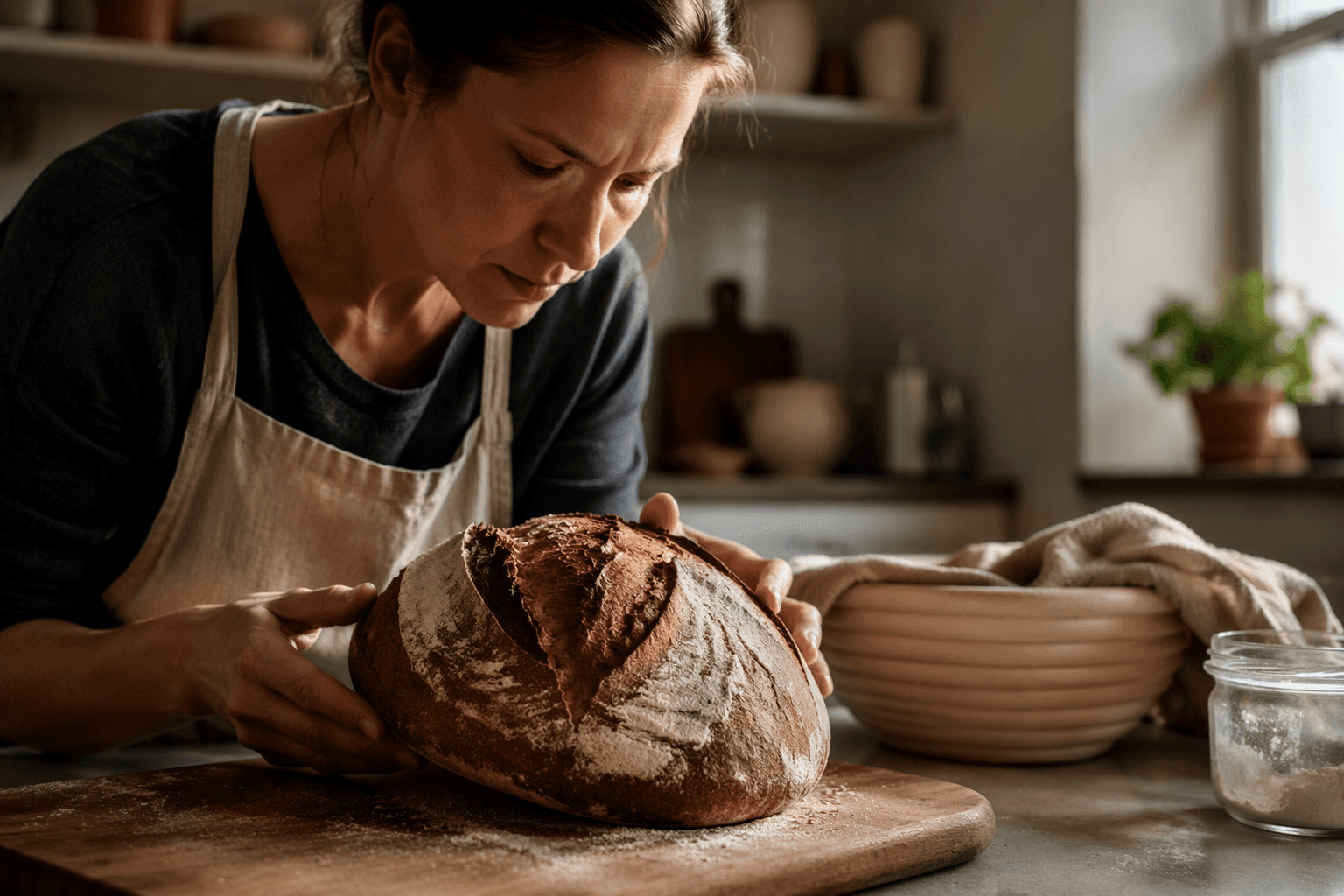
South London bakery turns sourdough buns into Palestinian-inspired signature treats
Bunhead Bakery proves sourdough can carry culture, not just trend, with buns shaped by Palestinian flavours, heritage and a clear point of view.
From lockdown project to Herne Hill fixture
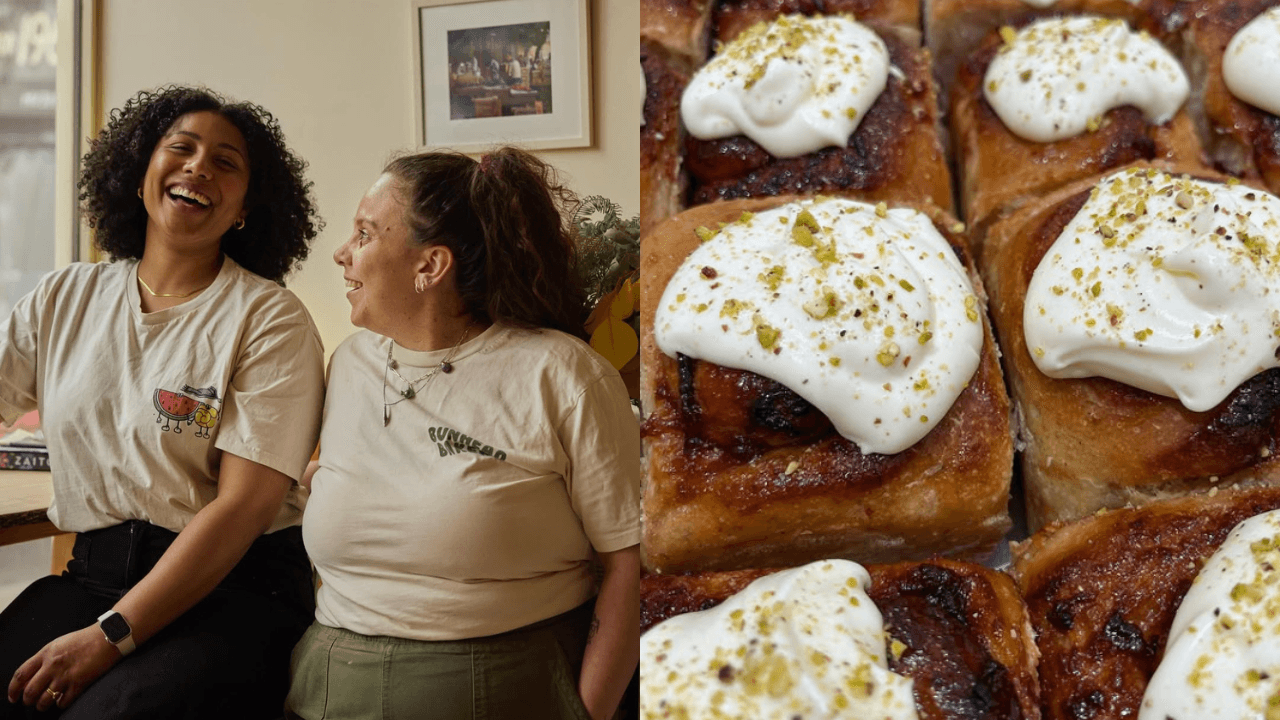
Bunhead Bakery did not grow out of a generic artisan-bread boom. It began in 2020, during the Covid-19 lockdown, when Sara Assad-Mannings started baking buns at home and selling them online, then built demand through deliveries and market stalls across south London before settling into a permanent shop in Herne Hill. That path matters because it explains the bakery’s identity: this is sourdough built for community recognition, not just for a café shelf.
The move into a fixed site on Dulwich Road gave the business a stronger local anchor. Bunhead opened its first physical shop in May 2024 and is now approaching its second year in that location, opposite Brockwell Park at 145 Dulwich Road, London SE24 0NG. The shop’s rhythm is practical and very bakery-like, with opening hours on Thursday and Friday from 9am to 4pm, and Saturday and Sunday from 10am to 4pm. It also closes when it sells out, which helps explain the queues that have formed before opening time and the cult following that has grown around it.
Why the story is bigger than bread
Bunhead’s value to sourdough readers is that it shows how fermentation can be the base, not the whole story. The bakery’s own site describes it as Palestinian-founded and female-led, and says it specialises in sourdough buns with flavours rooted in Palestine. It also frames food as a way to build “awareness, understanding, joy, and resistance,” which gives each bake a cultural purpose that most trend-driven bakeries never reach.
That point of view is reinforced by the people behind the counter. Sara Assad-Mannings was born in London to a mother from Jericho and a father from North East England, while Georgia Wickremeratne brings Jamaican and Sri Lankan roots to the partnership. Their mixed-race heritage has been described as central to the bakery’s identity, and the result is a menu that feels personal rather than borrowed. In a crowded London bakery scene, that clarity is a competitive edge.
Recognition has followed. FACT London identified Bunhead Bakery as a winner in its 2025 Dining Awards, a sign that the bakery’s reputation is no longer just neighbourhood buzz. Southwark News has also noted that Sara wants to share more Palestinian desserts over time, which suggests the project is still expanding, not settling into a fixed formula.
What is actually on the tray
The menu is where Bunhead’s cultural logic becomes visible. Times Now highlighted the bakery’s sourdough cinnamon buns as one of its best-selling items, but the more distinctive story comes from the Palestinian-inspired flavours layered into the range. Knafeh and pistachio mastic buns stand out because they move sourdough away from the usual loaf-and-toast territory and into dessert-adjacent baking, where softness, richness and aroma do the storytelling.
Bunhead has also been associated with flavours such as za’atar and Aleppo pepper, and coverage has mentioned ka'ak and mana’eesh among the wider offering. Those references place the bakery inside a broader Palestinian baking tradition rather than a loose fusion exercise. The through-line is clear: fragrant spice, sweet and savory tension, and a format that lets heritage ingredients show up in an accessible, everyday shape.
That is what makes the bakery interesting to sourdough bakers. The fermentation is doing one job, building structure and texture in a soft bun, while the filling or topping carries the identity. In Bunhead’s hands, sourdough is not a badge of authenticity on its own. It is a canvas for memory, migration, and a very specific flavour vocabulary.
What home bakers can borrow from Bunhead
The smartest lesson from Bunhead is not to copy one bun exactly, but to copy the flavour logic behind it.
- Start with a familiar format. Bunhead uses buns people already understand, then layers in Palestinian flavours instead of asking customers to decode a new pastry from scratch.
- Let one ingredient lead. Za’atar, Aleppo pepper, pistachio, mastic and knafeh each bring a clear identity, so the bake never feels muddled.
- Pair softness with intensity. Sourdough bun dough gives a plush, stretchy base, while the filling supplies aroma, sweetness, spice or crunch.
- Bridge comfort and specificity. Cinnamon buns still feel familiar, but pistachio mastic or knafeh turns that comfort into something culturally distinct.
- Treat topping and filling as part of the story. In this style of baking, what goes inside the bun matters as much as the dough itself.
For a home baker, that can mean thinking beyond plain sweetness and choosing a heritage note that can carry through the whole bake. The logic is simple: one soft dough, one vivid flavour anchor, and one finish that makes the bun feel unmistakably tied to a place or tradition.
Why Bunhead stands out in London right now
London is full of sourdough labels, but Bunhead shows why point of view wins out over trend language. The bakery has turned a lockdown project into a fixed Herne Hill destination by pairing visible craft with a clear cultural message. Its buns are not just popular because they are well made. They are popular because they tell a story that customers can taste.
That is the real takeaway for sourdough bakers watching Bunhead’s rise. The future of memorable buns is not just better fermentation. It is stronger identity, clearer flavour choices, and the confidence to make sourdough carry something larger than itself.
This article was produced by Prism’s automated news system from verified source data, official records, and press releases, then run through automated quality and moderation checks before publishing. The system is built and supervised by the people who set the standards it runs under. Read our full AI policy.
Did this article answer your question?