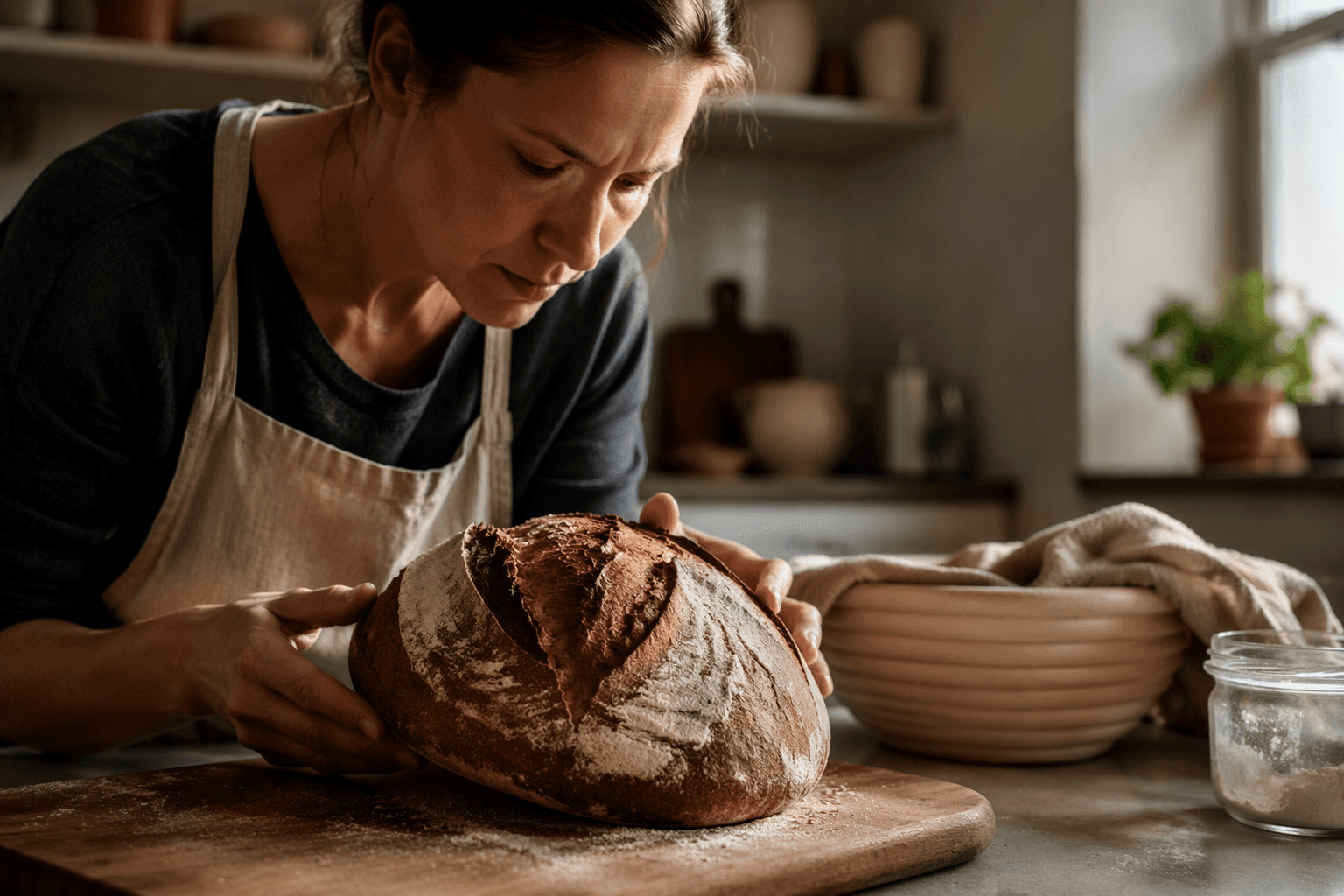
Hurst library class makes sourdough starter care less intimidating
A free starter kit and a local baker are turning sourdough from a fear of failure into a manageable routine. The real lesson here is starter confidence, not just recipes.
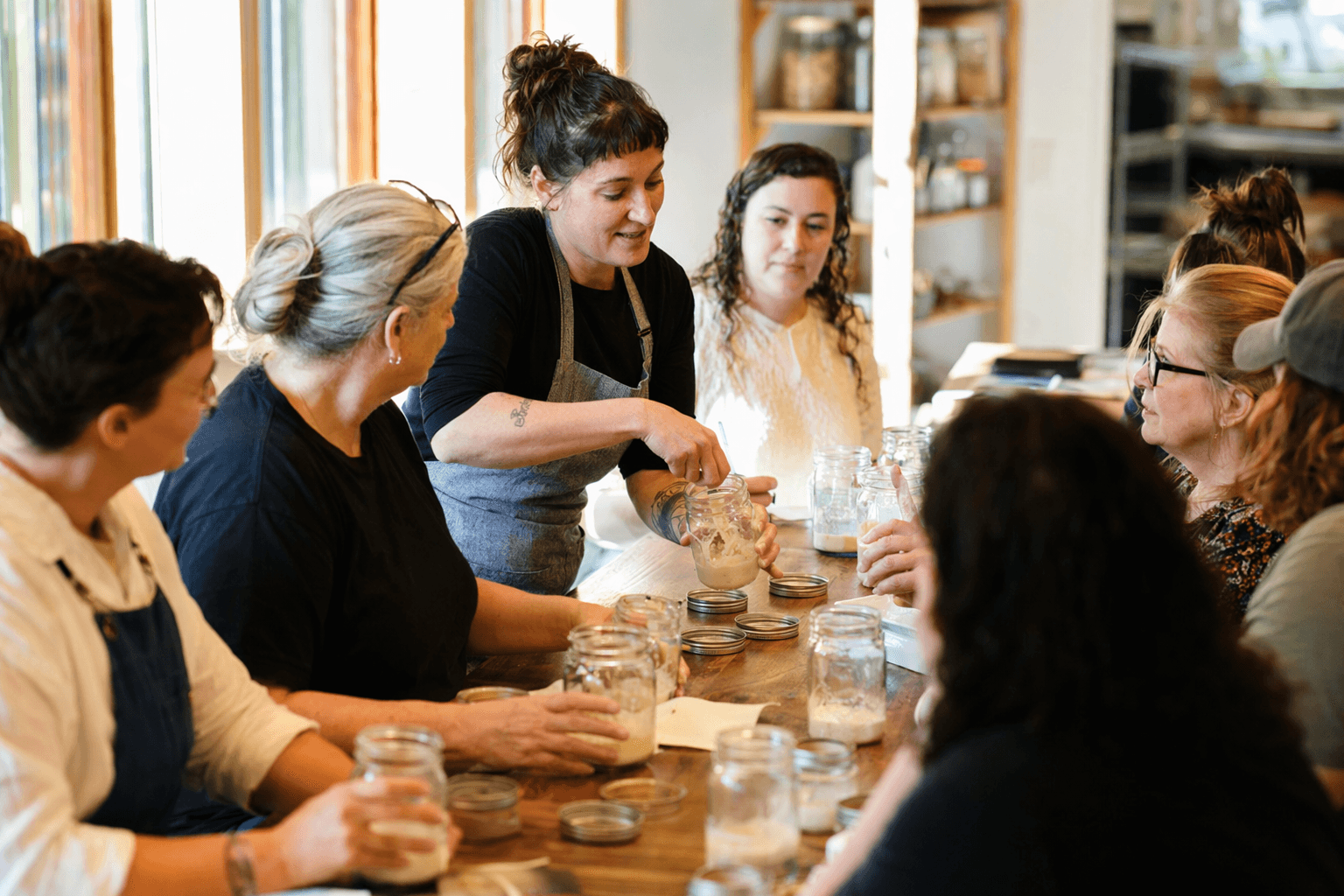
A low-stakes way into sourdough
Starter care is where a lot of sourdough ambitions get stuck, and that is exactly why the Hurst Public Library session matters. The adults-only class is built around a simple promise: make starter management feel less intimidating, give people a free starter kit, and show them how to keep going long enough to actually bake.
The event is scheduled for Thursday, May 14, 2026, from 6:30 p.m. to 7:30 p.m. in the Program Rooms North and South at Hurst Public Library, 901 Precinct Line Rd., Hurst, Texas 76053. Kristie Means of Fun Guy Baking Company is the listed presenter, and the city says registration is required to claim a free starter kit.
Why starter confidence matters more than the recipe
Sourdough sounds romantic until the jar on the counter starts acting like a science project. That is the intimidation barrier this class is built to break down. For many beginners, the hard part is not finding a recipe, it is trusting themselves with the living starter that powers the whole process.
Sourdough is a fermented mixture of flour and water that relies on lactic acid bacteria and yeasts. That living culture is what makes the bread distinctive, but it is also what makes first-timers nervous. If you have ever stared at a starter wondering whether it smells right, bubbles enough, or needs feeding now or later, you already know why a hands-on session can be more useful than another online recipe roundup.
The class is aimed at adults, which fits the reality of how many people come to sourdough: curious, busy, and not eager to waste flour on a starter they are sure they will somehow ruin. The social piece matters too. Community classes like this turn baking from a solitary worry into a shared activity, with someone in the room who can answer the question you were embarrassed to ask at home.
What the class is set up to solve
Kristie Means is expected to cover the basics of making a sourdough starter, caring for it, and using a simple recipe to get started. That combination is smart because it tackles the exact point where many new bakers lose momentum.
- How to begin a starter without overcomplicating the process
- How to care for it without guessing at every feeding
- How to move from starter maintenance to a first loaf with a simple recipe
- How to leave with a starter kit instead of a vague plan to "try sourdough sometime"
That last piece is the quiet strength of the program. A starter kit lowers the friction between interest and action. When people walk out with something concrete in hand, the odds of a successful first week go up fast.
The maintenance choice that trips people up
One reason sourdough feels intimidating is that there is more than one correct way to maintain a starter. King Arthur Baking lays it out plainly: you can keep a starter at room temperature and feed it daily, or store it in the refrigerator and feed it weekly. For a beginner, that is both reassuring and confusing. Reassuring, because there is flexibility. Confusing, because the wrong schedule can feel like failure when it is really just a mismatch with your routine.
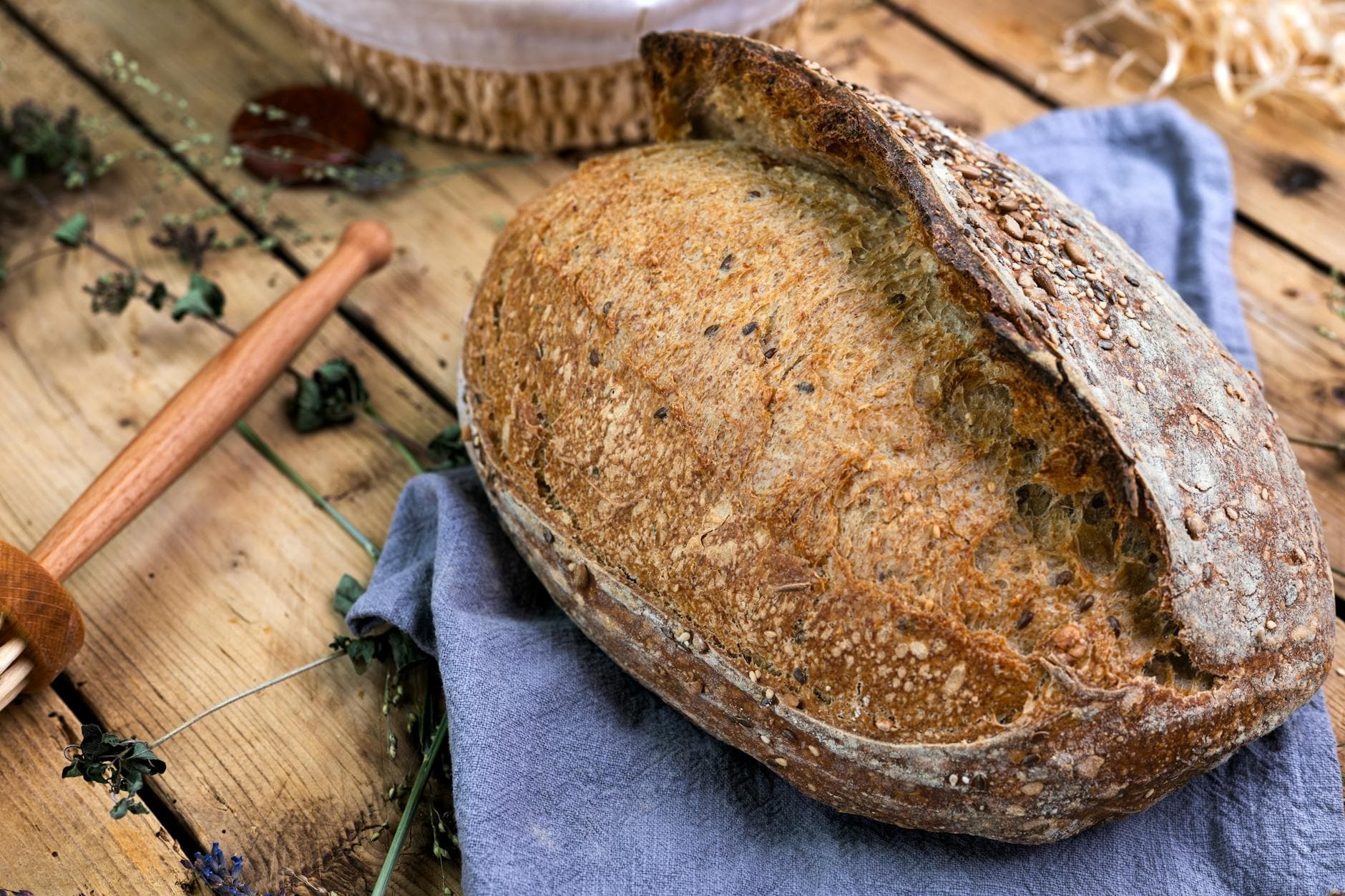
That is where beginner confidence becomes the real gateway. The challenge is not only remembering to feed the starter, but deciding which habit fits your life. If you bake often, the room-temperature routine can feel straightforward. If you bake less predictably, refrigeration makes more sense. A class like the one in Hurst helps people stop treating starter care like a test they can fail and start treating it like a routine they can choose.
King Arthur Baking also notes that "Did I kill my starter?" is a surprisingly common question among both novice and experienced bakers. That tells you almost everything you need to know about the psychology of sourdough. The fear is not limited to beginners, and it is not irrational. A starter can look sluggish, smell odd, or seem inactive just when you want reassurance most. Having a local baker explain what is normal can save a lot of wasted flour and panic.
Why the first 10 to 14 days matter
Smithsonian Magazine reports that a sourdough starter often settles into a stable state after about 10 to 14 days. That window is one of the biggest reasons beginners need a calm, practical introduction. The first stretch of starter life is when people are most likely to get discouraged, because they want immediate results from a process that needs time to mature.
That is also why the Hurst class is timely in a very specific way. It is not just about one evening of instruction. It is about helping someone survive the awkward, uncertain phase when a starter does not yet behave like the one in the recipe photos. If the class can help attendees understand that early instability is normal, it is doing more than teaching technique. It is keeping them in the game long enough to build confidence.
How the registration window works
The city says library program signups generally open about three weeks before the program date, which helps explain when registration may have opened for the May 14 session. That detail matters because these kinds of classes tend to fill a very specific need: people want the starter kit, but they also want a local, guided entry point.
For anyone trying to get into sourdough without overthinking it, the setup is about as practical as it gets. The class has a clear time, a clear place, a named presenter with baking experience, and a take-home kit tied to registration. In other words, it is built for the exact person who wants to bake bread but does not want to spend the next month wondering whether the jar on the counter is thriving or dying.
The bigger takeaway for home bakers
The real value of events like this is not just that they teach a recipe. They make starter care feel normal, repeatable, and local. That matters because sourdough momentum usually begins with one small success: one feed that looks right, one starter that bubbles back, one loaf that rises better than expected.
Hurst Public Library is offering a low-pressure way into that cycle, and that is the part worth noticing. In sourdough, confidence is often the first ingredient that runs out. A class that restores it can do more for a home baker than a shelf full of cookbooks ever will.
This article was produced by Prism’s automated news system from verified source data, official records, and press releases, then run through automated quality and moderation checks before publishing. The system is built and supervised by the people who set the standards it runs under. Read our full AI policy.
Did this article answer your question?