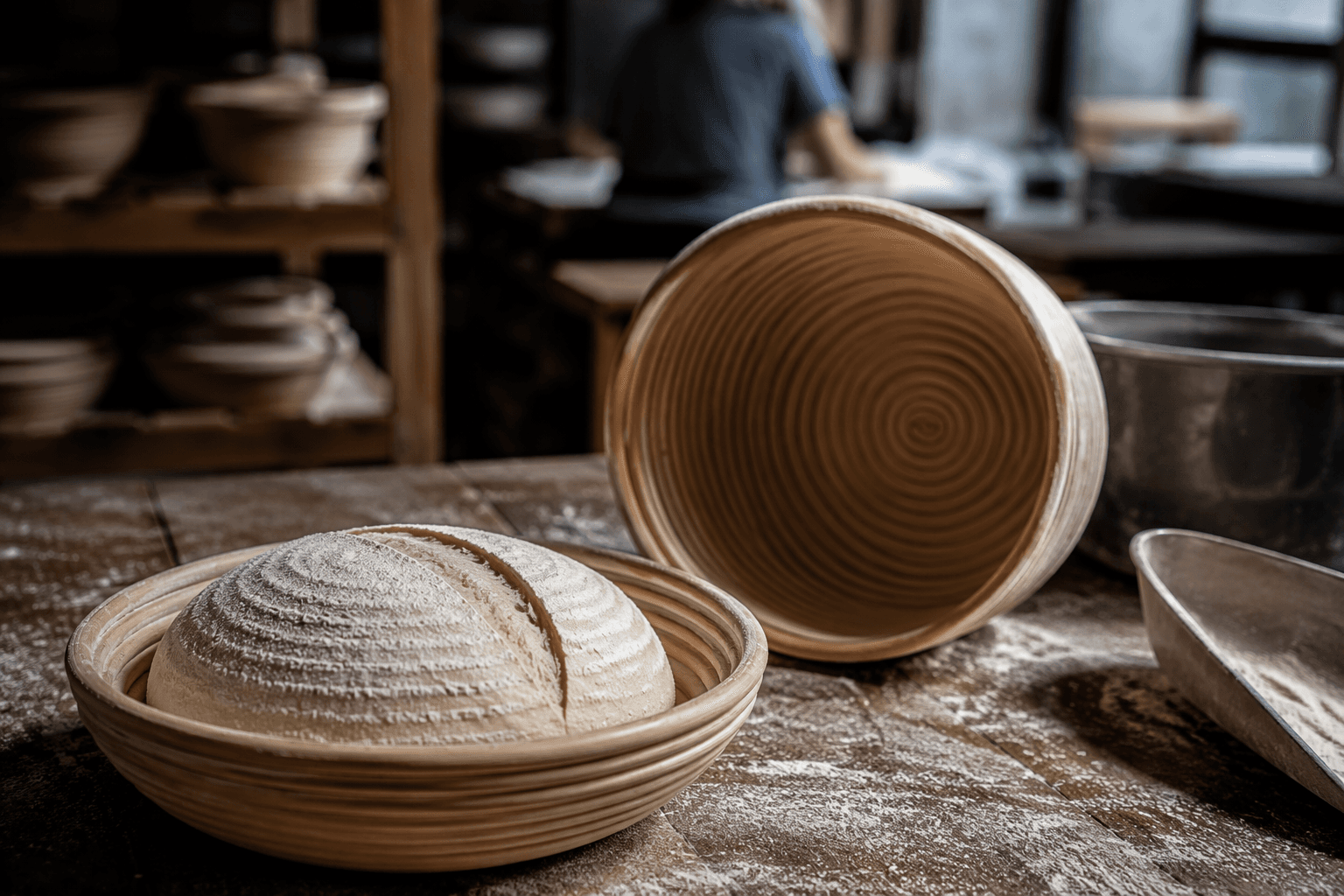
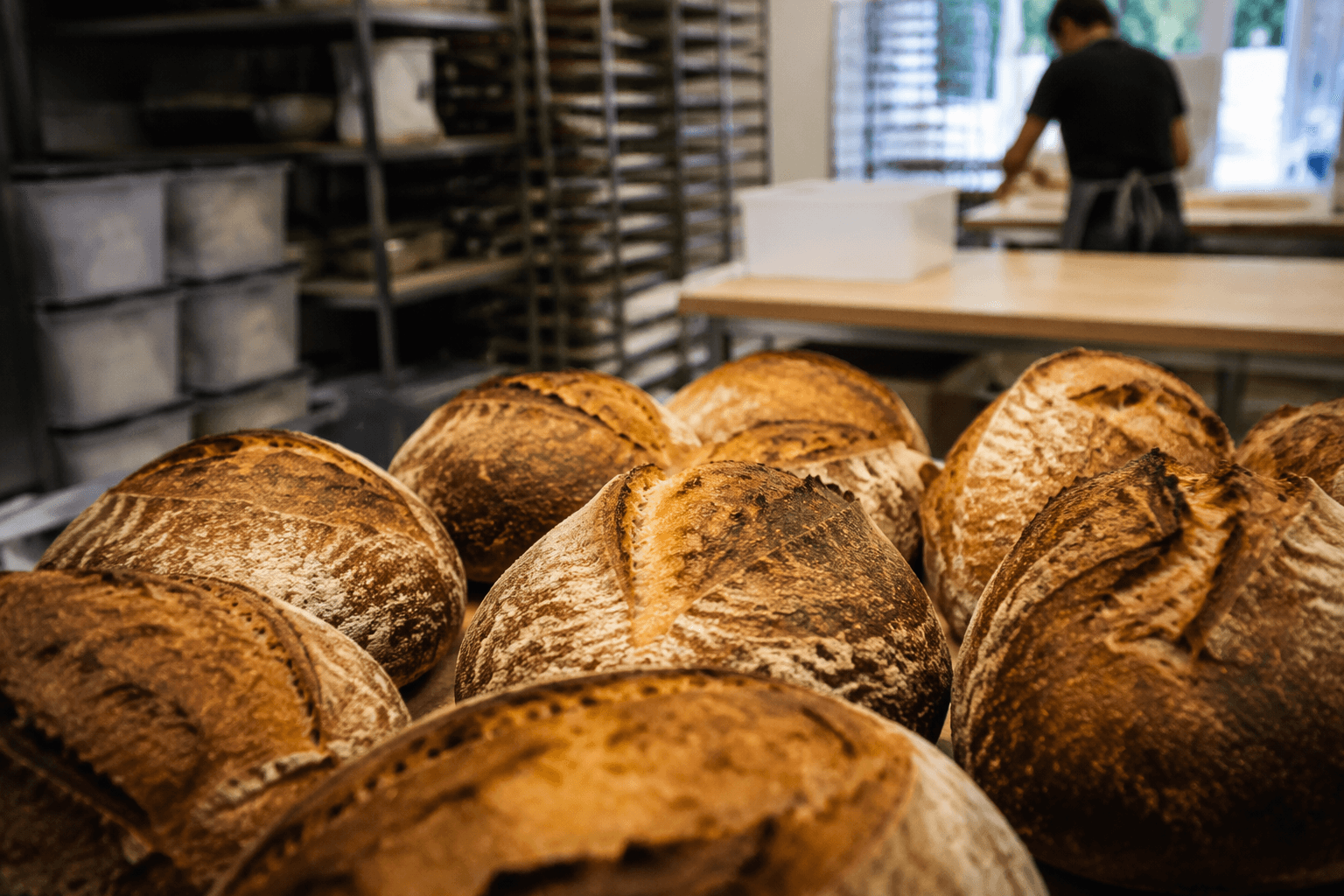
Spring Hill library class teaches sourdough from starter to loaf
Spring Hill Public Library is turning sourdough into a beginner-friendly group lesson, sending each baker home with a starter and recipe to keep the first loaf within reach.
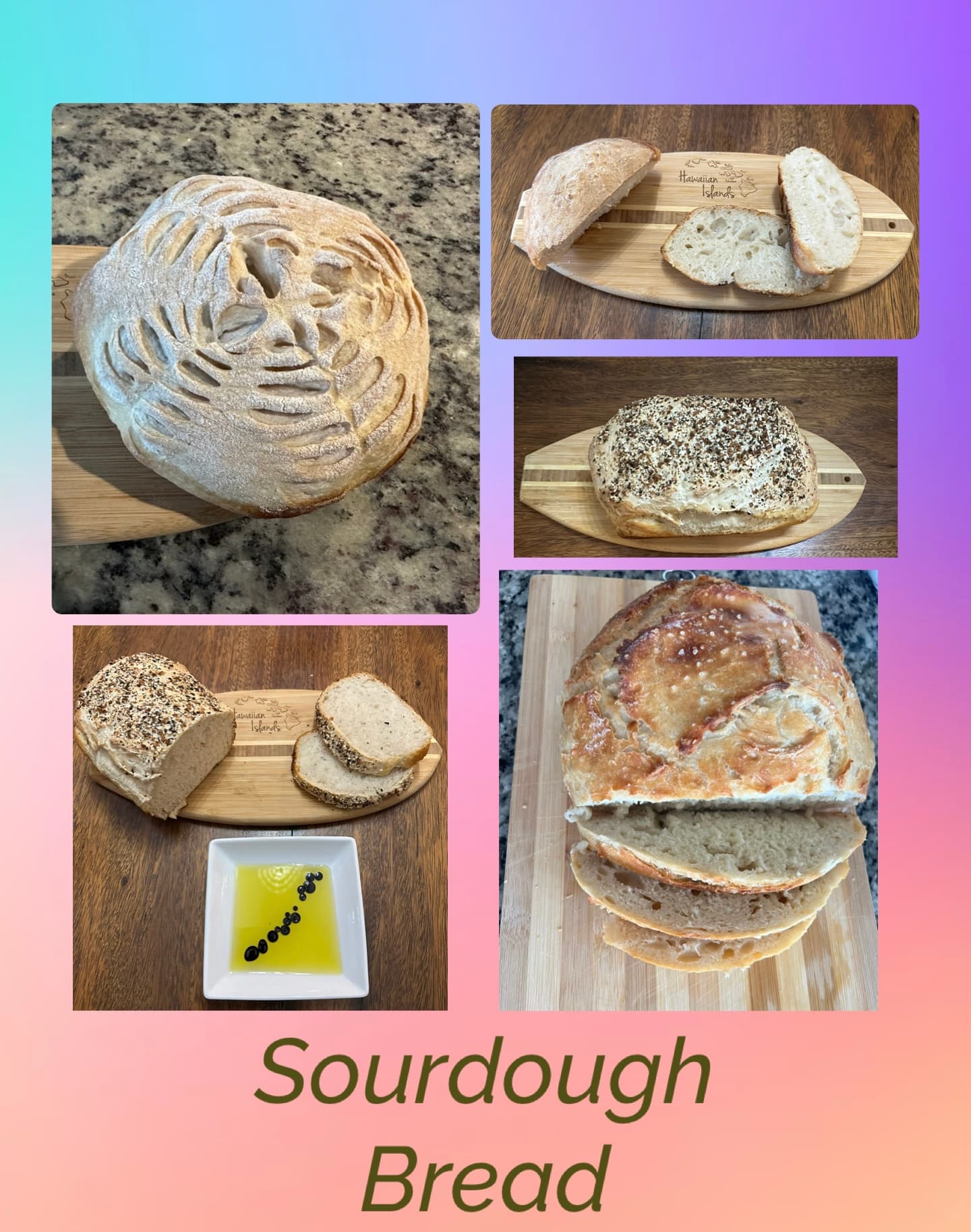
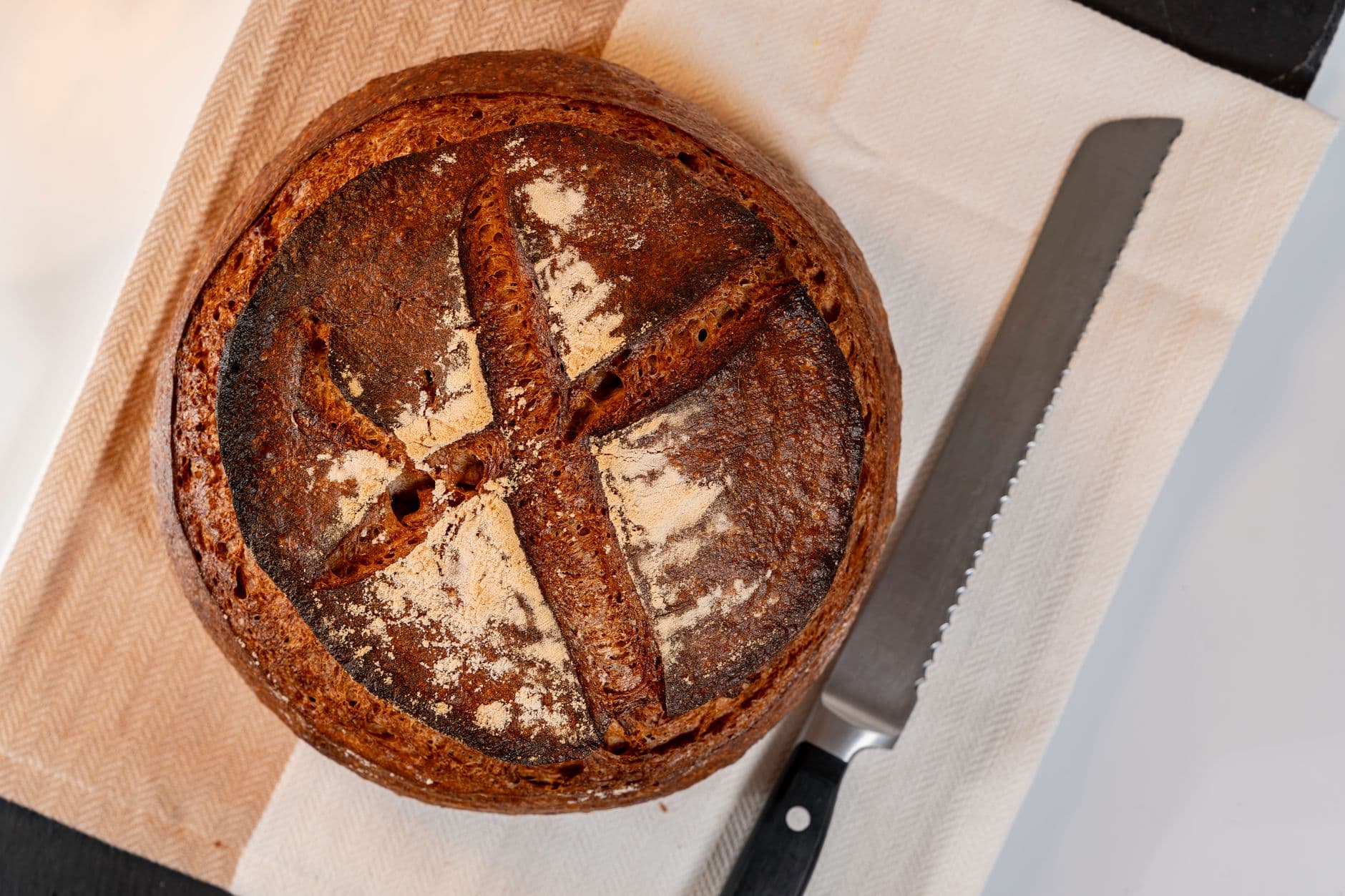
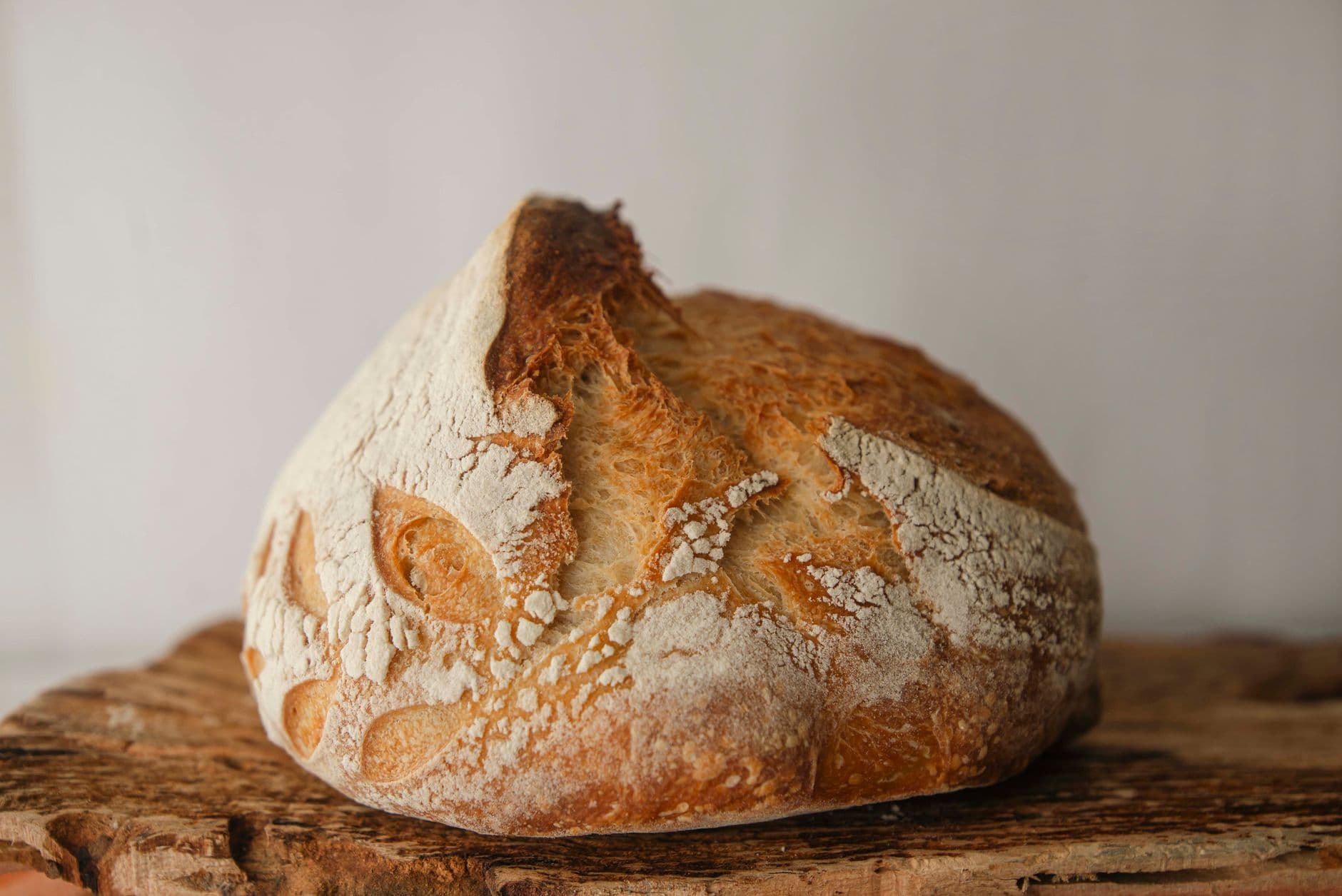
The easiest way into sourdough is often the least glamorous one: start with a starter, learn the rhythm, and leave with something you can actually bake again at home. Spring Hill Public Library’s Craft Crew class does exactly that, promising to walk participants “from cultivating a starter to baking your first golden, crusty loaf” in an in-person setting built for beginners.
That framing matters. Sourdough can look simple from the outside and still trip up a first-timer at every stage, from feeding schedules to fermentation timing, from shaping confidence to the basic question of what the dough is supposed to feel like. A class that begins with starter cultivation and ends with a finished loaf gives new bakers the full arc in one room, with a real person nearby when the dough gets sticky, slack, or just plain confusing.
What the Spring Hill class actually teaches
The Craft Crew listing makes the class feel less like a demonstration and more like a guided start to a baking habit. It is explicitly beginner-friendly, which signals that no prior bread-baking experience is expected, and it is built around the foundational steps that usually intimidate new sourdough bakers. The promise is not just theory, but a complete path from the earliest stage of fermentation to a loaf with a crust worth keeping in the memory bank.
That structure is especially useful because sourdough is a process hobby. You do not master it in one afternoon by memorizing a formula and walking away. You learn how starter should look and smell, when it needs food, how long dough can rest before shaping, and what happens when timing slips. A class that covers those steps in person gives beginners something many video tutorials cannot: the chance to see the dough handled in real time and ask the question that comes up right when it matters.
Why the starter handoff is the big deal
The most practical part of the event is also the most generous one. Each participant goes home with a sourdough starter and a recipe, which means the class does not end at the door. It hands new bakers the two things they need most to keep going: the living culture and a repeatable first bake.
That matters because the biggest barrier in sourdough is not inspiration, it is momentum. Plenty of people are curious about the hobby, but they stall out before they ever mix flour and water because they do not know where to get started, what to feed, or how to turn the starter phase into an actual loaf. By sending attendees home with starter and instructions, the library closes the gap between curiosity and the first try in a home kitchen.
For anyone who has been stuck at the “I should really try sourdough” stage, that handoff is the difference between a nice idea and a usable plan. It also means the class functions as a launch point, not just an afternoon event. The recipe gives structure, the starter gives continuity, and the baker gets a second chance after the class ends.
Why a library is the right kind of classroom
The setting is as important as the subject. Public libraries are increasingly using culinary workshops to combine skill-building, community connection, and affordable access, and sourdough fits that model naturally. Bread baking has a long learning curve, but it does not need to feel like an expert-only pursuit, especially when the classroom is a public space designed for learning without intimidation.
An in-person session also solves a set of sourdough problems that can feel oddly personal when you are alone in the kitchen. If the starter seems sluggish, if the dough is too wet to shape confidently, or if fermentation timing is throwing off the day, the library classroom gives attendees immediate feedback instead of guesswork. It also lets bakers compare notes with others who are learning the same basics, which can do a lot to normalize the early missteps that every bread baker remembers.
The “Craft Crew” name reinforces that spirit. It casts sourdough as a hands-on community activity, not a solitary test of kitchen discipline. That shift is subtle, but it changes the experience: instead of trying to decode a process alone, beginners get to learn alongside people who are also figuring out starter, stretch-and-fold timing, and the look of properly fermented dough.
Who should go, and what pain points it solves
This kind of class is built for people who want a real start, not just sourdough content. If you are nervous about managing a starter, unsure when to feed it, or worried you will ruin the shaping step, this is the kind of setting that takes some of the pressure off. It is also a good fit if you have watched enough bread videos to know the vocabulary but still want someone to show you how the process feels in practice.
The class addresses several first-timer pain points directly:
- feeding schedules that seem easy until they have to fit a real day
- fermentation timing, especially when the dough moves faster or slower than expected
- shaping confidence, which often decides whether a loaf feels possible or impossible
- uncertainty about what starter and dough should look or feel like at each stage
Because the event starts with starter cultivation and ends with a first loaf, it gives beginners a complete mental map of the process. That is often what is missing when people try sourdough on their own: they have fragments of advice, but not the whole sequence from feeding to bake.
How this turns sourdough into a repeatable habit
The strongest part of the Spring Hill setup is that it does not treat sourdough as a one-off project. The starter, the recipe, and the in-person instruction work together to make the first home bake feel repeatable. Instead of walking away with vague encouragement, attendees leave with a system they can try again, which is where the hobby starts to become real.
That is why library-based bread classes keep drawing attention. They do more than explain sourdough. They create a place where beginners can start with the basics, leave with the tools, and come back to the same process in their own kitchens with a little more confidence. In a hobby where the distance between “interested” and “baking a loaf” can feel surprisingly wide, Spring Hill’s Craft Crew class makes that first jump smaller, friendlier, and much more manageable.
This article was produced by Prism’s automated news system from verified source data, official records, and press releases, then run through automated quality and moderation checks before publishing. The system is built and supervised by the people who set the standards it runs under. Read our full AI policy.
Did this article answer your question?