Why dough temperature is the key to better sourdough bread
Keep final dough around 75-78°F and sourdough gets easier to time, shape, and repeat.
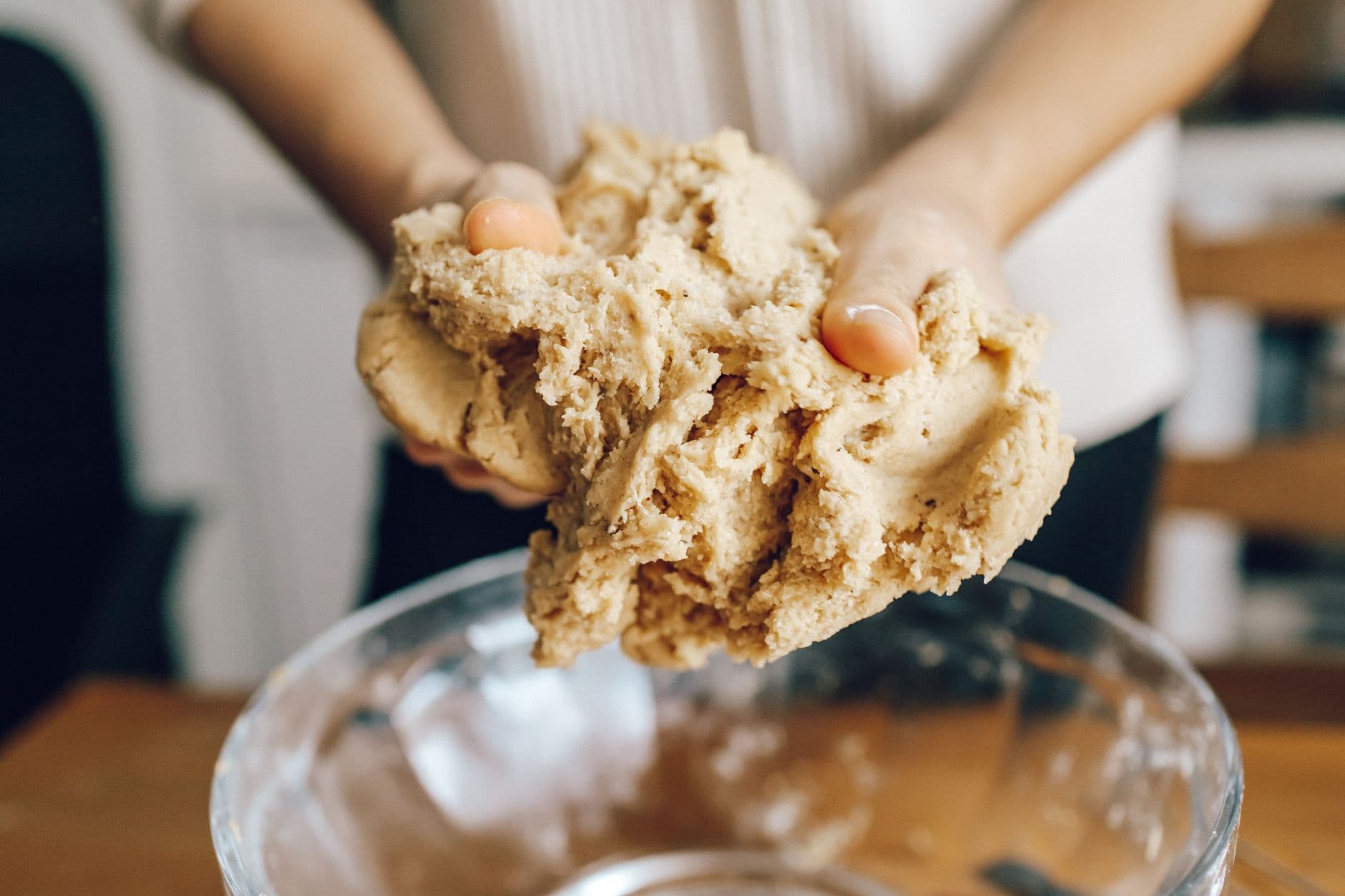
A sourdough dough that lands in the mid-to-high 70s Fahrenheit ferments on schedule, holds strength, and produces more predictable crumb and crust. King Arthur Baking ranks temperature control among the most important skills a baker can learn.
Why dough temperature changes everything
Dough temperature affects nearly every stage of the bake: fermentation speed, dough strength, timing, extensibility, and final bread quality, which is why The Perfect Loaf treats it as a foundational sourdough topic. King Arthur Flour’s Professional Baker’s Reference tied dough temperature to more consistent fermentation, better bread flavor, and greater predictability, a point Bake Magazine highlighted in 2014.
Many home-baking frustrations start there. You change flour, tweak hydration, or blame the starter, when the real variable is that the dough simply began too warm or too cool.
The target range to aim for
For many sourdough and artisan bread formulas, the most useful target is a final dough temperature in the mid-to-high 70s Fahrenheit. King Arthur Baking material commonly points to about 75-78°F, while another bread reference in the same research cluster puts the optimal range for most doughs at 74-77°F. It is a narrow band: a few degrees can change how quickly your dough rises and how confidently it holds shape.
Proofing temperatures often sit in the same neighborhood, around 75°F to 78°F, or 24°C to 26°C. The Sourdough Journey tested bulk fermentation from 75°F/24°C all the way up to 90°F/32°C, showing how much temperature alone can alter the pace of a dough even when the formula stays the same.
How to tell when your dough is too warm or too cool
When dough runs too warm, it usually tells on itself fast. It can feel slack, spread on the counter, and become harder to shape because fermentation has moved ahead before the dough has enough structure to support itself. Warm dough also shortens your timeline, which raises the risk of overproofing and can leave you with weaker oven spring.
When dough is too cool, the trouble looks different. Bulk fermentation drags, the dough seems tight or stubborn, and it is easy to mistake the slowdown for a weak starter or a failed recipe. In reality, the cold dough is often just underpowered by temperature, not by ingredients.
When kitchens warm up, wild yeast and bacteria become more active, and fermentation speeds up. That is why a dough that behaves beautifully in spring can suddenly feel rushed in August.
- Too warm often means slack dough, faster rise, and a shorter window before shaping.
- Too cool often means sluggish bulk, a tight feel, and a schedule that seems to stall.
- In both cases, the recipe may be fine. The temperature is what moved.
How to measure dough temperature at home
You do not need professional bakery equipment to make temperature useful. A simple probe or instant-read thermometer is enough to check the dough after mixing, and that one number tells you more than guesswork ever will. Once you start logging the temperature of the dough, the room, the water, and even the starter, you can see why one bake takes four hours and another takes six.
ChainBaker treats temperature control as one of the most important parts of breadmaking and uses formulas to calculate ingredient temperatures for a target final dough temperature. You do not have to memorize bakery math on day one, but the idea is worth stealing: work backward from the temperature you want, then choose your water, starter, and room conditions to get there.
A simple home routine looks like this:
1. Measure the room temperature before you mix.
2. Check the temperature of your water and starter.
3. Mix the dough, then measure the dough temperature right after mixing.
4. Compare that number to your target, usually around 75-78°F.
5. Adjust the next bake by changing water temperature or proofing conditions.
How to adjust when the dough is off target
If your dough is running warm, cooler water is the fastest correction on the next mix. You can also shorten the time it spends on the counter between folds, move it to a cooler spot, or use part of the refrigerator during bulk if fermentation is racing ahead. The goal is not to slow everything down forever, but to keep the dough inside a range where it can build strength before it overexpands.
If your dough is too cool, warmer water is the simplest fix. A slightly warmer starter or a warmer room can help too, but water temperature is the easiest lever most home bakers can actually control. You may also need to give the dough more time before judging whether bulk is done, because a cold dough can look underfermented long after the recipe clock says it should be ready.
Why this improves crumb, flavor, and repeatability
King Arthur Baking’s reference material links temperature control to more consistent fermentation, better flavor, and predictability. Crumb structure comes from timing as much as ingredients: a dough that ferments in the right window is more likely to hold gas well, shape cleanly, and bake with the kind of open, even crumb people chase in good sourdough.
Repeatability starts when you know your kitchen tends to push dough above 78°F in summer, or that your starter and water together leave you under 74°F in winter.
This article was produced by Prism’s automated news system from verified source data, official records, and press releases, then run through automated quality and moderation checks before publishing. The system is built and supervised by the people who set the standards it runs under. Read our full AI policy.
Did this article answer your question?