‘24 Fire’ explodes south of Colorado Springs, forces Highway 115 closures and evacuations
A fast-moving wildfire scorched 7,385 acres near Fort Carson in 48 hours, forcing extended Highway 115 closures south of Colorado Springs.
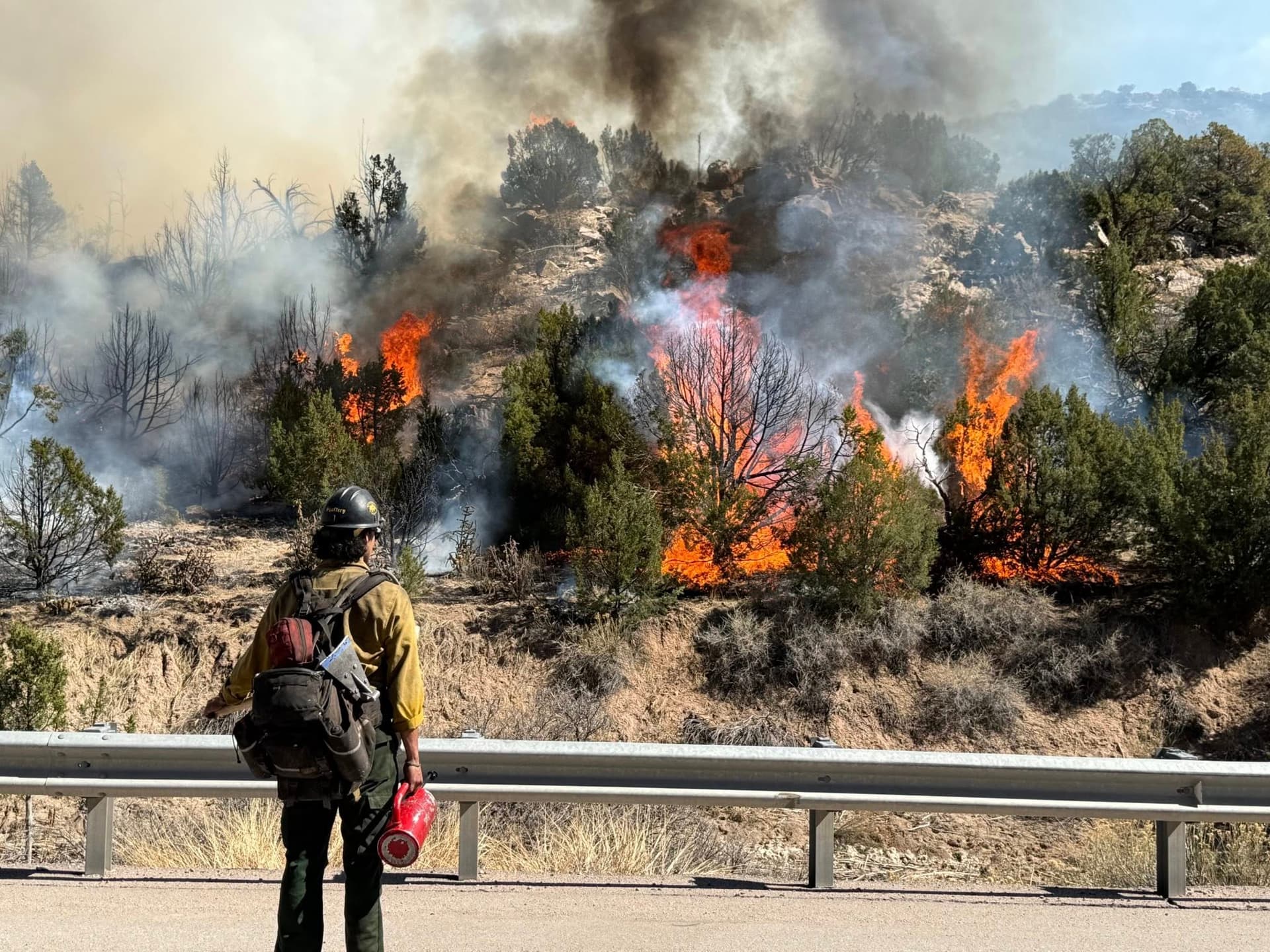
The 24 Fire turned a dry, windy weekend into a crisis along one of southern Colorado's key travel corridors, exploding from several hundred acres to 7,385 acres between March 21 and March 23 and forcing extended closures of Colorado Highway 115 south of Colorado Springs.
The fire's growth was alarming even by early-season standards. It climbed to roughly 4,600 acres on March 22 before jumping to approximately 7,385 acres the following day, driven by low humidity, gusty winds, and the kind of downed-fuel loading that accumulates after a low-snow winter. The blaze burned on and near Fort Carson Army Post property, spanning parts of both Fremont and El Paso counties.
That military land added a layer of complexity to the response. Coordinating suppression across Fort Carson required simultaneous buy-in from military, county, and state firefighting assets, complicating unified command structure and evacuation messaging. Authorities issued evacuation orders for properties near the fire's edge; some of those orders were later lifted as crews established containment lines and conditions stabilized.
Highway 115 is the direct connector between Colorado Springs and the San Isabel/Penrose corridor, and its closure during the fire's peak created immediate detours and travel uncertainty for anyone moving between Front Range gateways and southwestern destinations. Local incident command and El Paso County sheriff's office updates called for public patience and strict adherence to road closures, stressing that heavy equipment needs clear access to operate safely.
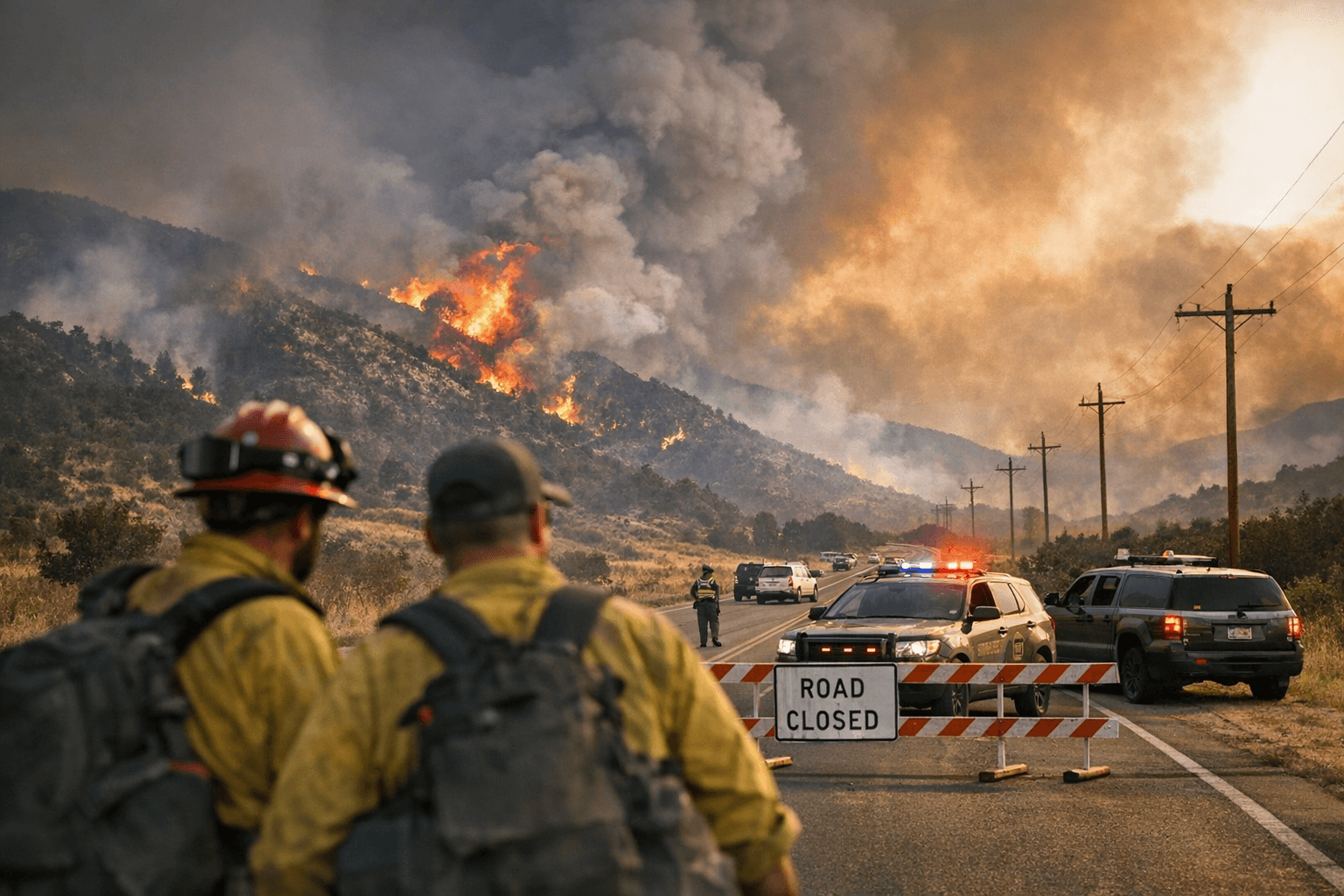
Air quality degraded across the region during the fire's most active burn period. Travelers with bookings near Colorado Springs or southern mountain corridors were advised to verify plans with outfitters directly, since guided trips are typically paused or rerouted during active closures.
The 24 Fire also fits into a pattern shaping the 2026 season: a low-snow winter left fuels dry and exposed well before summer, and early ignitions with fast growth are pushing destination managers and outfitters to accelerate their visitor communications ahead of peak-season planning.
Even after containment, the effects will persist. Post-fire erosion risk, trail closures during mop-up, residual smoke, and ongoing equipment traffic will reshape the corridor through at least mid-spring. For a season already trending dry and fire-prone, the 24 Fire reads less as an anomaly and more as an early signal of what's ahead.
Know something we missed? Have a correction or additional information?
Submit a Tip