Angels Landing guide helps hikers plan Zion's iconic permit hike
Angels Landing is still a plan-ahead Zion hike: permits, shuttle timing, heat, and exposure decide the day. If the chain climb is a no, Zion has easier backups.
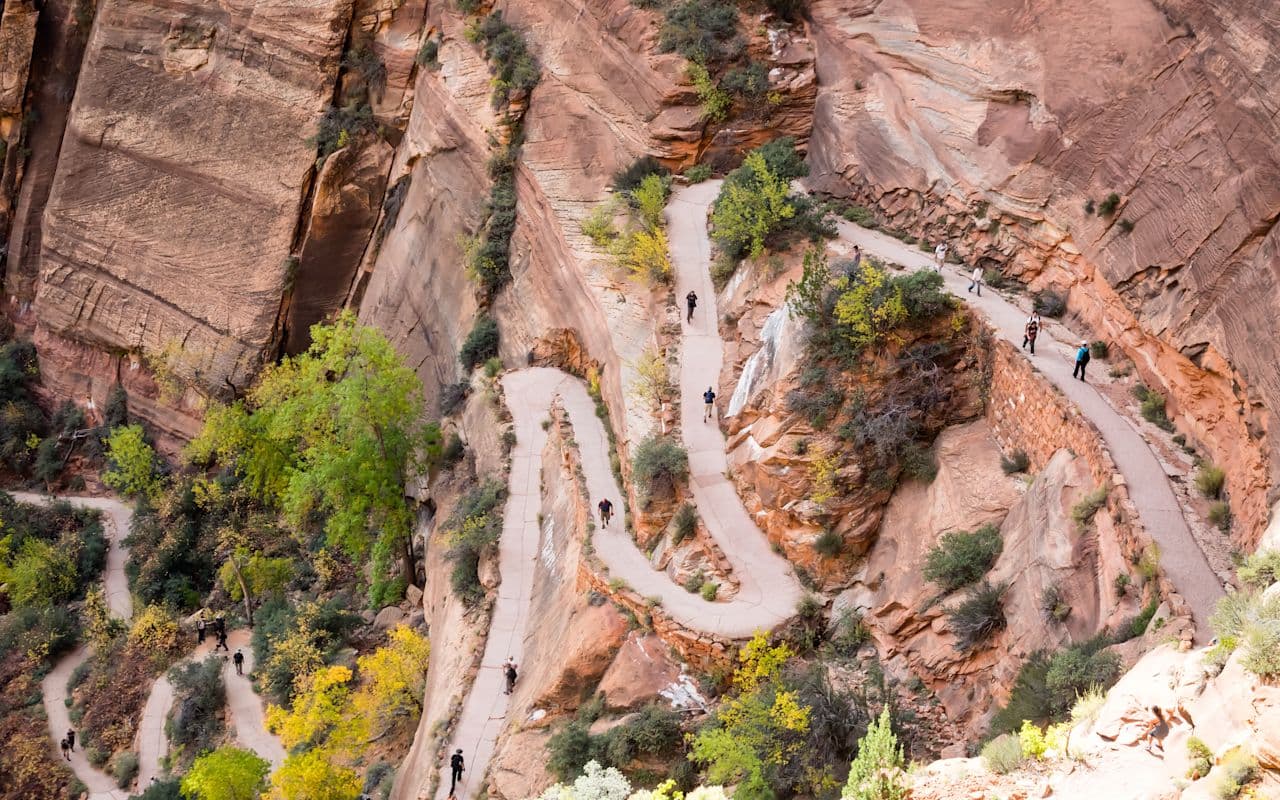
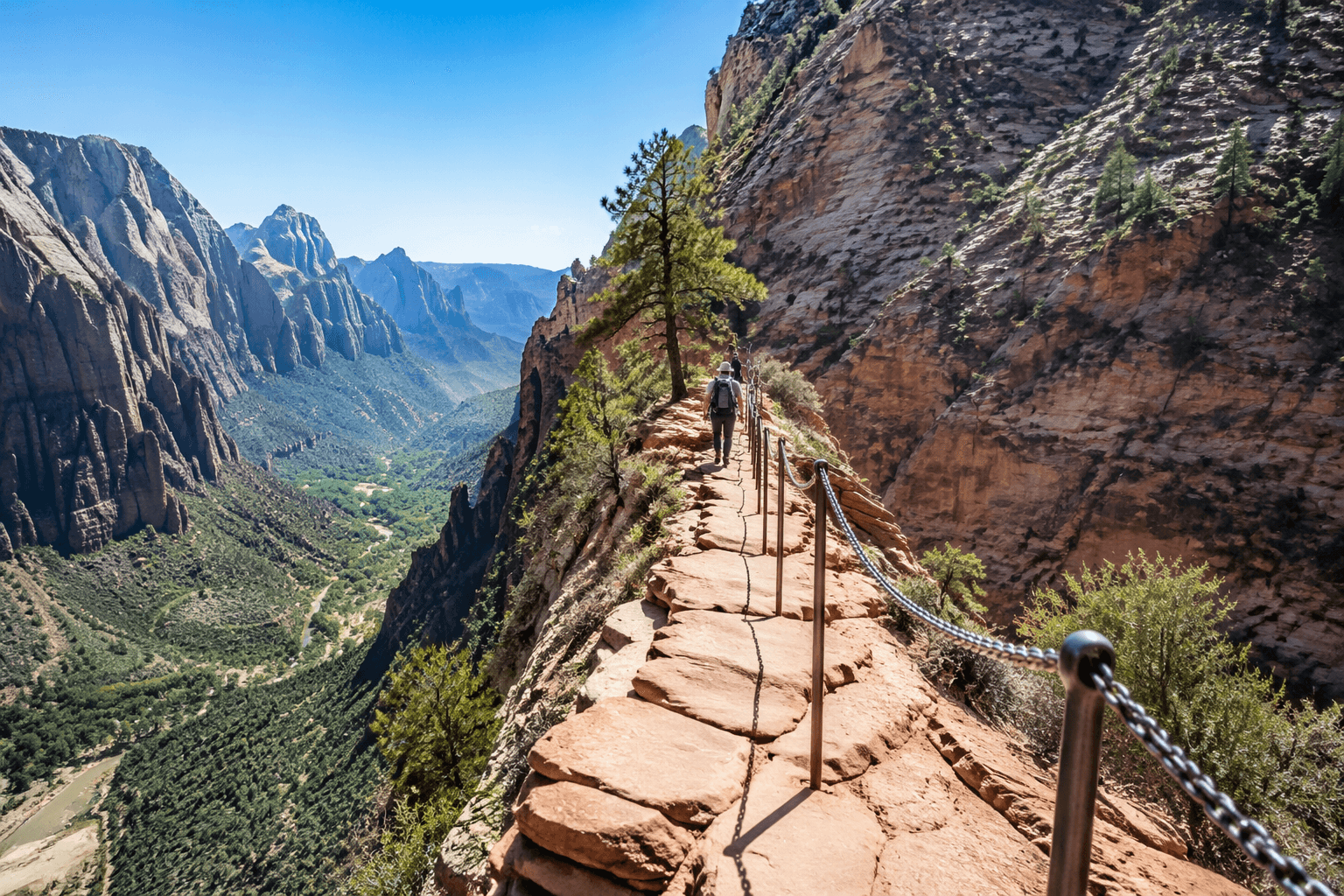
The chain-assisted final climb to Angels Landing is not the place to improvise after breakfast in Springdale, Utah. The permit system and the Zion Canyon Shuttle mean you need to line up access, weather, and your own comfort with heights before you go if you want the sweeping view over Zion Canyon and the Virgin River corridor.
How Angels Landing fits a Zion itinerary
Treat Angels Landing as the anchor for one full canyon day, not a side quest. The route is steep, high-exposure, and built around narrow ridgeline walking with chain-assisted sections, which is why it has become one of the park’s most sought-after hikes. It also shows up in National Park Service historic records as a named trail structure, a reminder that this is part of Zion’s long visitor infrastructure, not a casual overlook.
The hike draws crowds and attention that the park has to manage. Zion is already one of the busiest parks in the Southwest, and Angels Landing sits near the top of the demand list.
Permits are part of the hike
Zion National Park formalized access to Angels Landing with a permit system. The National Park Service launched the Angels Landing Pilot Permit Program in 2022, then announced seasonal lottery dates for 2023 and permit dates for 2024 as the pilot continued. That means the hike is not a spontaneous add-on once you reach the park; you plan for it the same way you plan for a big reservation or a timed entry window elsewhere in the Southwest.
An updated Angels Landing Permit Pilot Program FAQ dated 2025-11-18 bars guides or CUA holders from entering the public lottery on behalf of commercial clients. Authorized CUA holders may guide individuals or groups of up to 6 people, and CUA guides do not need an Angels Landing permit to guide groups under their Level III hiking authorization.
If you are deciding between a self-guided permit attempt and a commercial outing from the Springdale area, a guide can help with logistics and pacing, but the permit structure still governs who can be in the public lottery and who can take a group up the trail.
The day turns on shuttle timing, heat, and exposure
Angels Landing is not just about getting a permit. Zion’s official shuttle system shapes the whole canyon day because the Zion Canyon Scenic Drive is only accessible by shuttle bus during much of the year. That means your trailhead access depends on shuttle timing, not just your own arrival time, and that can become the difference between a calm start and a rushed one.
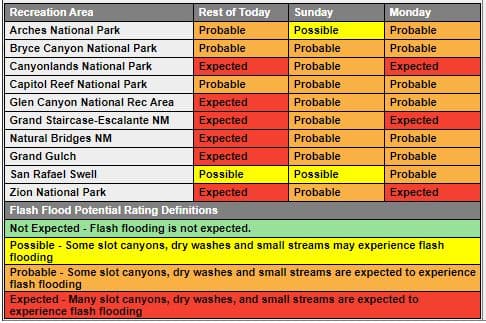
Conditions can change quickly. Summer heat can make the climb exhausting, monsoon storms can raise flash-flood danger, and lightning is a real reason to change plans in Zion’s exposed country. Crowded trail sections can slow you down or increase risk, especially in the narrow, chain-heavy part of the route where passing is not simple and the exposure feels more intense than the mileage suggests.
Before you commit, check the park’s current conditions, lightning, and seasonal guidance pages, then make an honest call about your exposure tolerance. If you are uneasy on narrow ledges, not comfortable using chains, or already feeling the effect of heat and altitude, the smartest move is to keep Angels Landing for another trip rather than forcing the issue.
- Build your day around the free Zion Canyon Shuttle, not your parking preference.
- Start early enough that heat does not define the climb.
- Turn around if crowds, weather, or nerves are already cutting into your margin.
- Treat monsoon clouds and lightning as a real itinerary change, not a nuisance.
Better options if the permit does not happen
If you do not win a permit, Zion still has plenty of ways to save the day. The cleanest low-friction substitute is the Pa’rus Trail, a paved multi-use trail that follows the Virgin River from the Visitor Center to Canyon Junction. Zion’s trail guide puts it at 3.5 miles round trip with about 50 feet of elevation change and an average time of 2 hours, which makes it a good choice when you want canyon scenery without exposure.
From Zion Lodge, Lower Emerald Pool Trail is 1.2 miles and about 1 hour in Zion’s trail guide, and it keeps you inside the canyon without asking you to deal with chains or ridgelines. If you want an even shorter connector walk, the Grotto Trail links Zion Lodge and The Grotto in about a half hour over 1 mile.
For hikers who want something more strenuous than a stroll but do not want the final exposed ridge, West Rim to Scout Lookout is the obvious compromise. It gets you into the climbing rhythm without forcing the final Angels Landing chain section, so it works well for a day when you still want effort and views but not the psychological commitment of the last stretch.
Zion’s trail system also gives you other named options to build around, including Kayenta, Middle Emerald Pools, Upper Emerald Pools, and The Narrows from the bottom up.
This article was produced by Prism’s automated news system from verified source data, official records, and press releases, then run through automated quality and moderation checks before publishing. The system is built and supervised by the people who set the standards it runs under. Read our full AI policy.
Did this article answer your question?