Southwest dark-sky parks turn nights into stargazing adventures
A dark-sky stop can be the smartest upgrade on a Southwest road trip, if you match the park to your route, moon phase, and overnight plan.
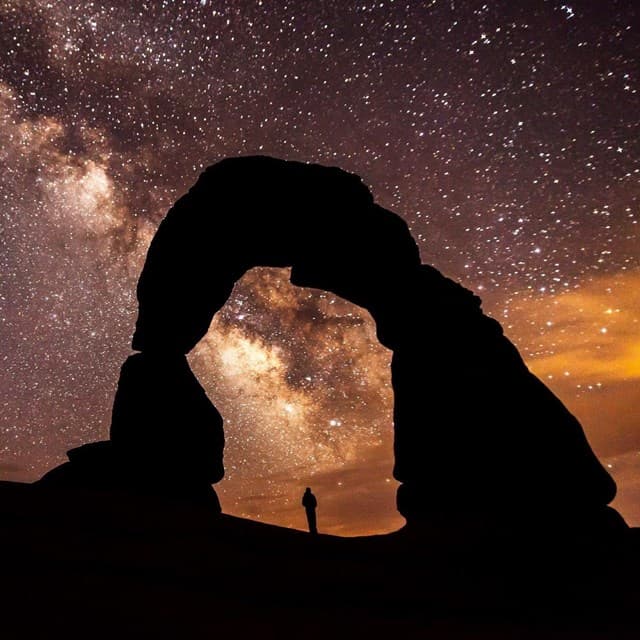
In the Southwest’s dark-sky parks, the Milky Way, meteor showers, and ranger programs turn the hours after sunset into part of the itinerary. The night is not dead time between drives, hikes, and campfires; it is a second shift built around the sky.
Why the Southwest is built for night-sky travel
DarkSky International’s program conserves places with exceptional starry nights and a healthy nocturnal environment, and the Southwest is one of its strongest concentrations. The region’s appeal is not just visual. The National Park Service treats dark skies as part of the park resource itself, tied to wildlife, solitude, a sense of discovery, and the protection of natural and cultural landscapes.
Southwest dark-sky parks are not simply scenic stops that happen to be dark after sunset. Darkness is part of the draw, and in a road-trip context that changes how you plan the day, the campsite, and even the next morning’s drive.
How big the dark-sky movement has become
In 2025, DarkSky International counted 250 International Dark Sky Places worldwide. A 2025 post compiling U.S. national parks as certified Dark Sky Parks counted 17 U.S. national parks in that category, while an older National Parks Conservation Association piece counted the then-new dark-sky park designation as the seventh site in the U.S. National Park System to receive the honor.
The Southwest was part of the movement early. Flagstaff, Arizona, received the world’s first Dark Sky City designation in 2001. Arizona tourism materials now put the state at 20 dark sky areas designated by DarkSky International, and Visit Utah says Utah offers the most options for stargazing adventures.
Picking a stop that fits the route, not just the photos
The most useful dark-sky plan is the one that matches your actual trip. If you are already headed through southern Utah, Bryce Canyon and Arches are obvious candidates, but the real decision is whether you have enough daylight left to arrive before sunset, enough energy to stay up for the sky show, and enough time the next morning to recover before another drive or hike. A dark-sky stop works best when it adds value without turning the rest of the itinerary into a slog.
Moon phase is the first practical filter. A moonless or near-new-moon night will show far more detail than a bright moon, especially if you want the Milky Way or fainter meteor activity.
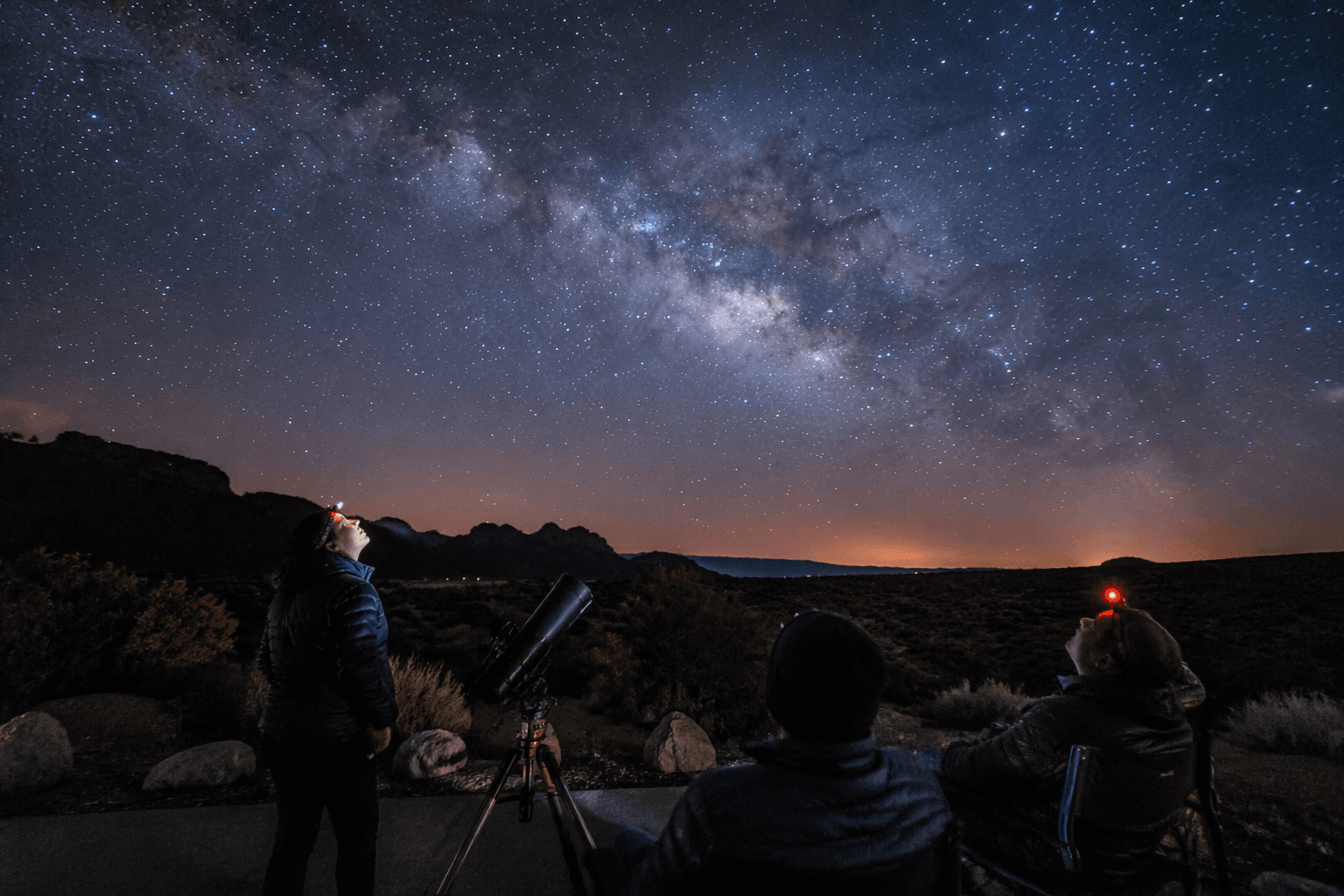
Overnight setup matters just as much. A campground with easy access to the sky is ideal, but only if it matches how you sleep. If you are tent camping, keep the evening simple and stay near your site. If you are in a van or car, be sure the park’s lighting and parking rules still leave you a dark horizon. If you are using a lodge or in-town base, choose a park where a short evening drive gets you away from the glow, then return to a bed before the next morning’s mileage starts piling up.
What to bring and how to use the dark
The basics are simple, but they make a huge difference. Bring a red-light headlamp or a flashlight with a red mode so you do not wreck your night vision. Keep phone screens dim, car doors closed when possible, and campsite lanterns low. If you are photographing, a tripod, a wide-angle lens, and a steady foreground are the tools that matter most. Expensive gear helps, but it is not the first thing that makes a good night-sky shot.
A little planning pays off before you ever leave home. Learn your camera settings before the trip so you are not experimenting in the dark while the sky changes overhead. If you want the most out of the night, treat the first hour after sunset as setup time and the next few hours as your viewing window, not as dead time. That keeps the evening from fighting with the next day’s trailhead alarm.
Why ranger programs and stewardship belong in the plan
Arches, Great Basin, and Mesa Verde include ranger-led astronomy and stargazing programs in visitor programming. Those programs help you identify constellations, understand what you are seeing, and get more from the same stretch of darkness.
Grand Canyon National Park has its own dark-sky preservation and programs page through Grand Canyon Conservancy.
When to go and what kind of night to expect
There is no wrong season for a dark-sky stop, only different kinds of nights. Summer brings long evenings and meteor showers, which make it easy to stay out after dinner without freezing at the overlook. Winter brings crisp air and, in many places, exceptionally clear seeing.
This article was produced by Prism’s automated news system from verified source data, official records, and press releases, then run through automated quality and moderation checks before publishing. The system is built and supervised by the people who set the standards it runs under. Read our full AI policy.
Did this article answer your question?