Arizona Spring Hiking Brings Rattlesnake Surge, Congressman Warns of Blind Spot Danger
Snake bites have doubled in Arizona compared to this time last year, and the "blind spot danger" is catching hikers and families off guard before they even hit the trail.
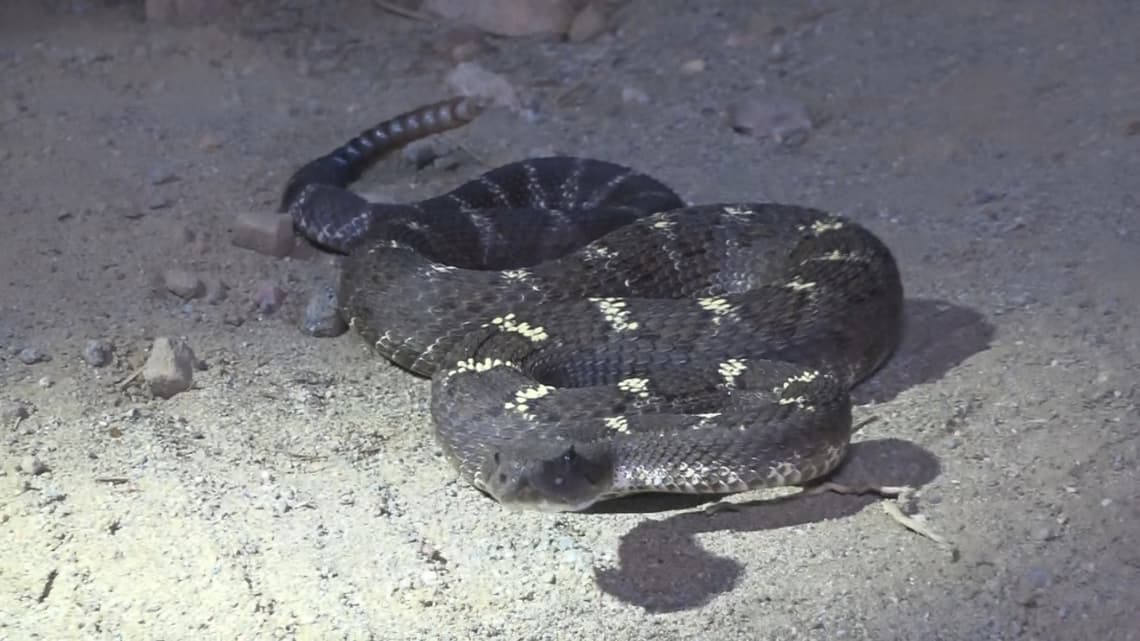
Venomous activity is spiking months early across Arizona as record March heat drives rattlesnakes out of dormancy and onto residential areas and hiking trails, with snake bites already doubled compared to the same point in 2025. Congressman Andy Biggs is urging adventurers throughout the Valley of the Sun to pay close attention to what officials are calling the "blind spot danger" on popular paths, a threat that is catching hikers off guard well before peak summer season.
The biting season typically doesn't begin until May, but this March's heat has started things early. The Arizona Game and Fish Department warned of an increased risk of rattlesnake encounters after the Valley surpassed 90 degrees. At the Phoenix Herpetological Society, the message has been blunt: "No calendar, everything is temperature-driven."
The blind spot warning is more than a trail concern. Banner Health says it has already received a significant number of bite calls this year, with most of them coming not from hiking trails, but from people's own homes. Banner Health's toxicology team identified the leading bite scenario as involving blind spots: areas that are difficult to see clearly, such as shelves, brush piles, garden beds and storage areas. The lesson for hikers extends to the trailhead parking lot and the garage before you ever lace up your boots.
Walter Martin of Wickenburg learned that firsthand on February 28. He was working on a project with his kids when he stepped into his shop to grab a tool and reached around a shelf and felt a sting. His family rushed him to a hospital in Wickenburg, where he received antivenom, and he was then airlifted to Banner University Medical Center in Phoenix for additional treatment. Martin's advice is direct: "Stay clear and pay attention. If it takes a grown man down as healthy as I am, what would it do to a smaller lady or a baby?"
On the trails themselves, the most dangerous moments tend to happen at the margins. Camelback Mountain, one of the most popular and challenging hikes in the Valley, is also one of the most common spots for rattlesnake sightings, with hikers on both Echo Canyon and Cholla Trail regularly reporting snakes sunbathing right on the edges of the path. Piestewa Peak is also notorious for rattlesnake sightings along the Summit Trail, especially in spring and early summer. The steep elevation changes and exposed rocks are perfect for both basking and hiding, with snakes often appearing after light rain when rodents become more active.
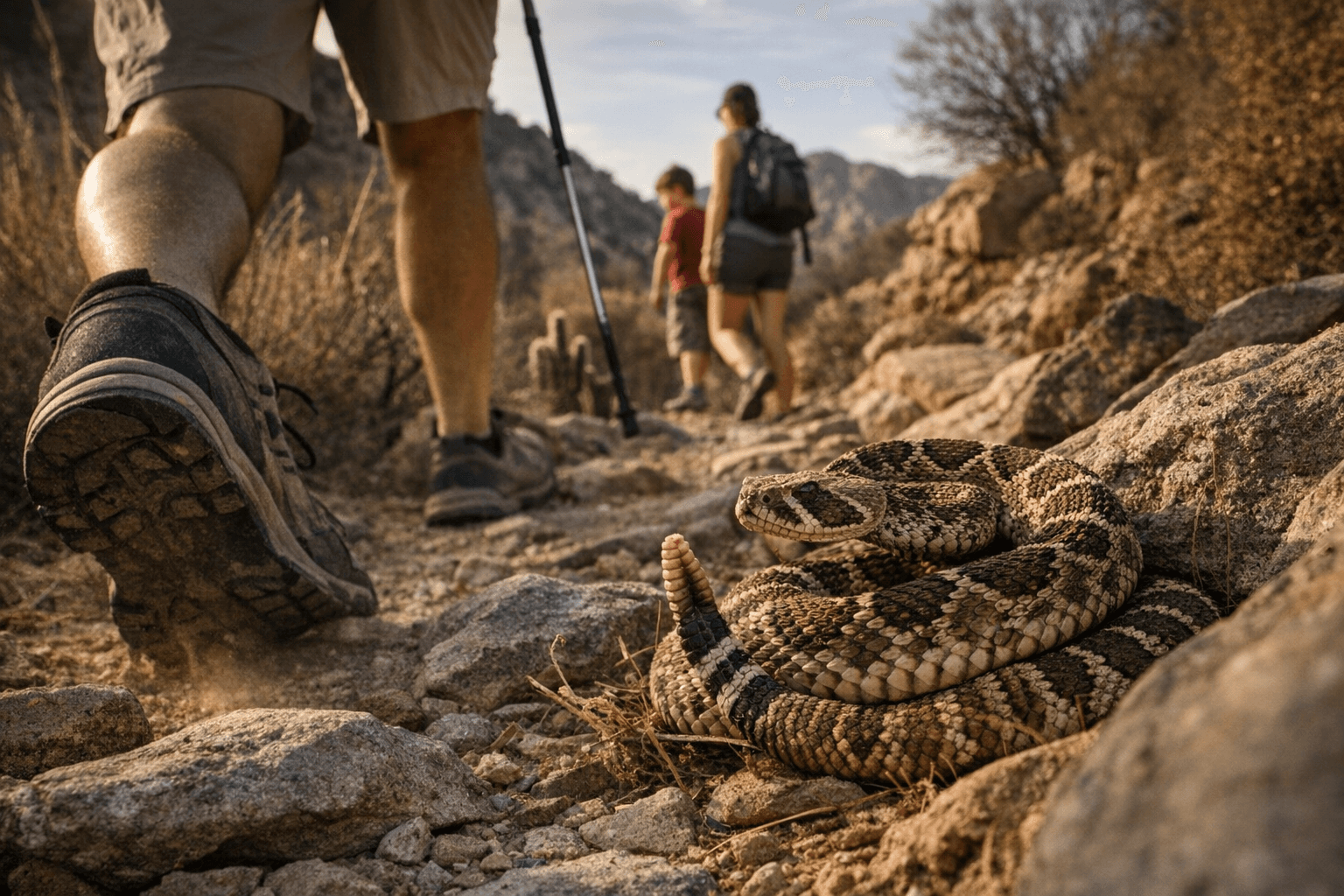
Arizona is home to 13 different species of rattlesnakes, more than any other state, according to Audrey Owens, amphibians and reptiles program manager for the Arizona Game and Fish Department. If you see a rattlesnake on a trail, it may rattle its tail and coil because it is startled, which are defensive behaviors used to let you know it's there. The best advice is to step back and let it move away. Rattlesnakes are not aggressive, and most bites occur when someone is trying to corner or capture a snake. If you leave it alone, it will leave you alone.
For those heading out for a walk or hike, officials recommended keeping earbuds out or turning the volume down to hear their surroundings. For bite emergencies, the Arizona Poison and Drug Information Center can be reached at 1-800-222-1222. For any rattlesnake bite, the instruction is simpler: call 911 immediately and limit movement until help arrives.
David Comstock, a spokesperson for the Arizona Game and Fish Department, put it plainly: "Rattlesnake activity is increasing as we move further into spring. This period marks the beginning of their mating season and increased foraging for food. They become more active, and consequently, encounters with humans are more likely." On Camelback, Piestewa, or any desert trail you are planning to hit this season, the blind spot is wherever your eyes are not.
Know something we missed? Have a correction or additional information?
Submit a Tip