Big Bend heat stroke rescue warns hikers to prepare for danger
A 68-year-old woman needed a deep-park rescue in Big Bend after heat stroke, a reminder that desert danger can escalate fast when weather, distance and heat collide.
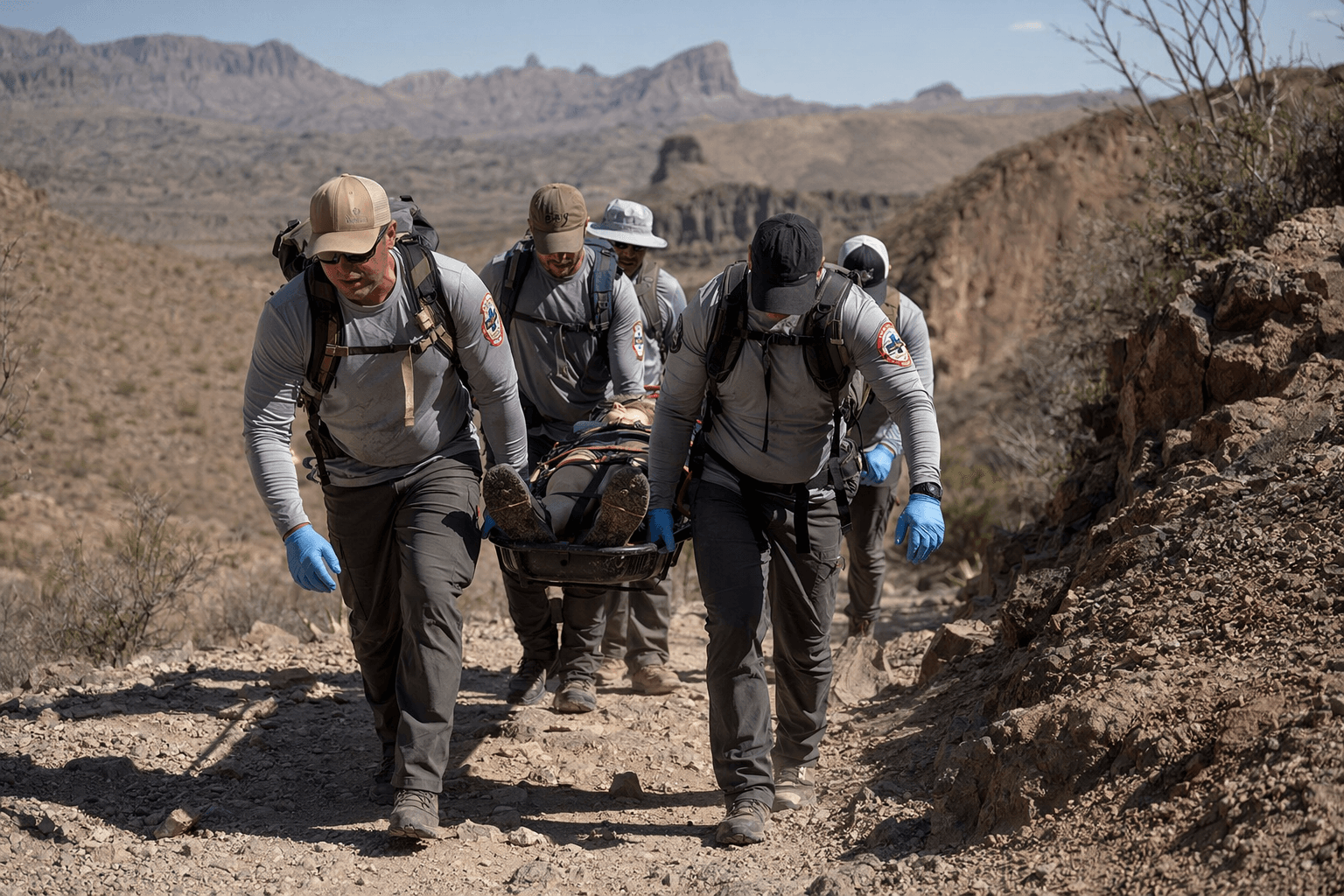
A 68-year-old woman had to be rescued in a remote part of Big Bend National Park on April 23 after suffering heat stroke, a close call that put the park’s summer risk into plain view. Civilian medevac aircraft could not fly because of poor weather, so a U.S. Border Patrol Air and Marine Operations crew had to help locate and extract the patient, turning what could have looked like a routine hike into a complex emergency in the backcountry.
That rescue fits the park’s own warning that Big Bend sees multiple heatstroke cases every year. The National Park Service tells hikers to use special caution in the summer months, when unprepared visitors can suffer severe illness, injury or death. In a place where shade is scarce, routes run long and exits can be far away, the safest plan starts before the boots hit the trail.
The practical reset for any desert itinerary is simple: start early, carry more water than feels comfortable, and be honest about turnaround times. Big Bend’s weather page says park weather station data are updated every morning and tells visitors to “Beat the Heat,” while the park’s backcountry safety guidance says to pack a first-aid kit and a dependable flashlight. Those basics matter most on long desert routes, where a slow pace, a missed turn or a late start can push a day hike into the hottest part of the afternoon.
Route choice matters just as much. Big Bend’s remoteness, along with canyons, desert trails and road-access areas far from help, means hikers should pick trips that leave a margin for error. The park’s warning after the April 23 rescue also lands alongside another hard lesson from the backcountry: on October 28, 2024, rangers and U.S. Border Patrol, with helicopter support from Texas Department of Public Safety and U.S. Customs and Border Protection Air and Marine Operations, searched for a 24-year-old hiker found dead along the Marufo Vega Trail. The trail is rugged for a reason, and it is not the place to gamble on extra miles, less water or a late return.
Big Bend was already under added pressure after the Oak Spring water pumps failed on December 23, 2025, triggering Stage 2 water restrictions in Chisos Basin, where Oak Spring is the only water source. That shortage, paired with the park’s repeated heat warnings, makes the message for hikers hard to miss: read the daily weather report, carry the gear, leave early, and turn around before the desert decides for you.
This article was produced by Prism’s automated news system from verified source data, official records, and press releases, then run through automated quality and moderation checks before publishing. The system is built and supervised by the people who set the standards it runs under. Read our full AI policy.
Did this article answer your question?