Grand Canyon closes North Kaibab Trail section for waterline work, hikers reroute
A hard closure will cut the North Kaibab Trail between Redwall Bridge and Cottonwood Campground starting Oct. 15, forcing rim-to-rim hikers to rebuild plans around a canyon bottleneck.
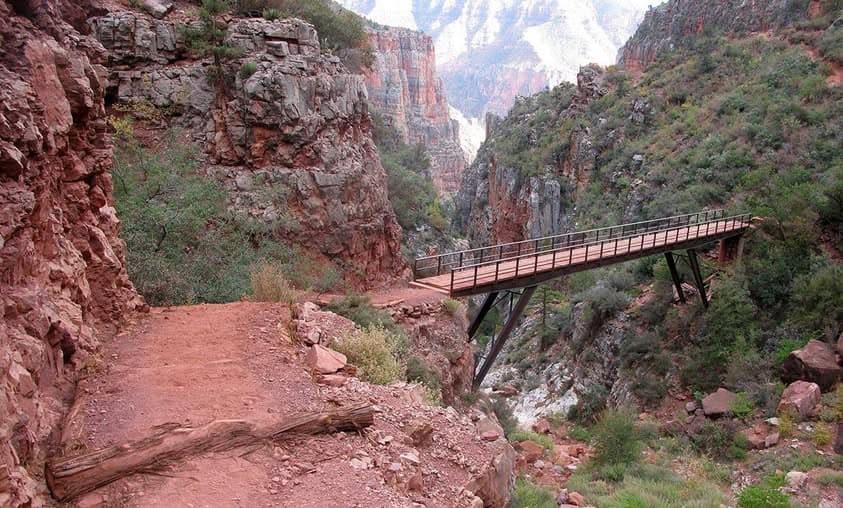
Grand Canyon is taking a major piece of the North Kaibab Trail out of play just as 2026 trip planning gets serious. Starting at 11:59 p.m. on October 15, a section of the trail between Redwall Bridge and the northern end of Cottonwood Campground will close to all public access for Transcanyon Waterline rehabilitation work, and the park says the shutdown will run through about February 2027.
That is not a casual inconvenience. The park says there are no alternative routes or detours through the closed section, which means rim-to-rim hikers, overnight backpackers, and anyone using the North Kaibab corridor as a connector will have to rethink route selection, permit strategy, and staging. If your plan depended on crossing through Cottonwood Campground or continuing deeper into the inner canyon from the North Rim side, this closure turns that itinerary into a dead end.
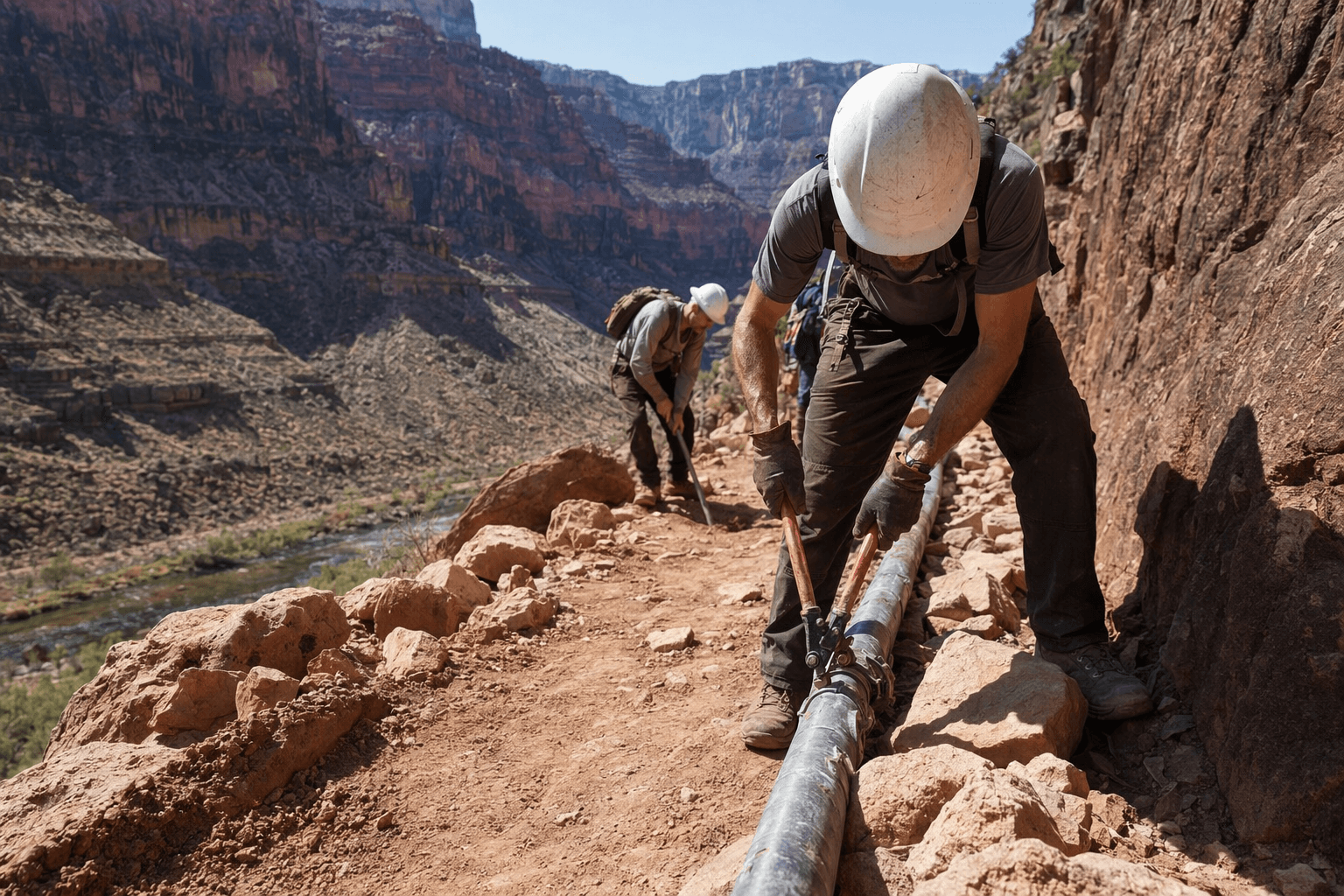
The work centers on the Transcanyon Waterline, the 12½-mile pipeline built in the 1960s that carries water from Roaring Springs on the North Rim to the Havasupai Gardens pump station and then to the South Rim. It supplies potable water and fire suppression for South Rim facilities and some inner-canyon operations, including more than 800 historic buildings. The National Park Service says the line is beyond its expected useful life, has suffered more than 85 major breaks since 2010, and that a single break often costs more than $25,000 to repair.
Park officials have framed the closure as a safety measure for both visitors and crews working in a narrow corridor with heavy equipment. Access for repairs in the inner canyon is by trail and helicopter only, which makes the North Kaibab shutdown a practical necessity rather than a routine trail inconvenience. The broader rehabilitation project, announced as a $208 million multi-year effort projected for completion in 2027, is meant to harden the system for the next 50-plus years and support about 6 million annual visitors and roughly 2,500 year-round residents.
The North Kaibab Trail matters because it is one of Grand Canyon’s main inner-canyon routes and, by the park’s own description, the least visited and most difficult of those trails. The modern trail was built through the 1920s to replace an older route that crossed Bright Angel Creek 94 times; the present-day alignment crosses the creek only six times. That makes it a prized route for ambitious hikers, but also one of the most consequential pieces of infrastructure inside the canyon.
The timing also follows a run of water-system strain that already changed park operations in 2024, when Grand Canyon imposed additional water restrictions after new breaks in the line. By fall 2026, the North Kaibab closure will be more than a trail notice. It will redraw how hikers move through the canyon, where they sleep, and how far they can realistically go.
This article was produced by Prism’s automated news system from verified source data, official records, and press releases, then run through automated quality and moderation checks before publishing. The system is built and supervised by the people who set the standards it runs under. Read our full AI policy.
Did this article answer your question?