Logan Canyon construction to continue through fall 2026, affecting recreation travel
Crews are back in Logan Canyon, where intermittent work near Stokes Nature Center, Card Canyon and Templefork could add delays on the way to Bear Lake all season.
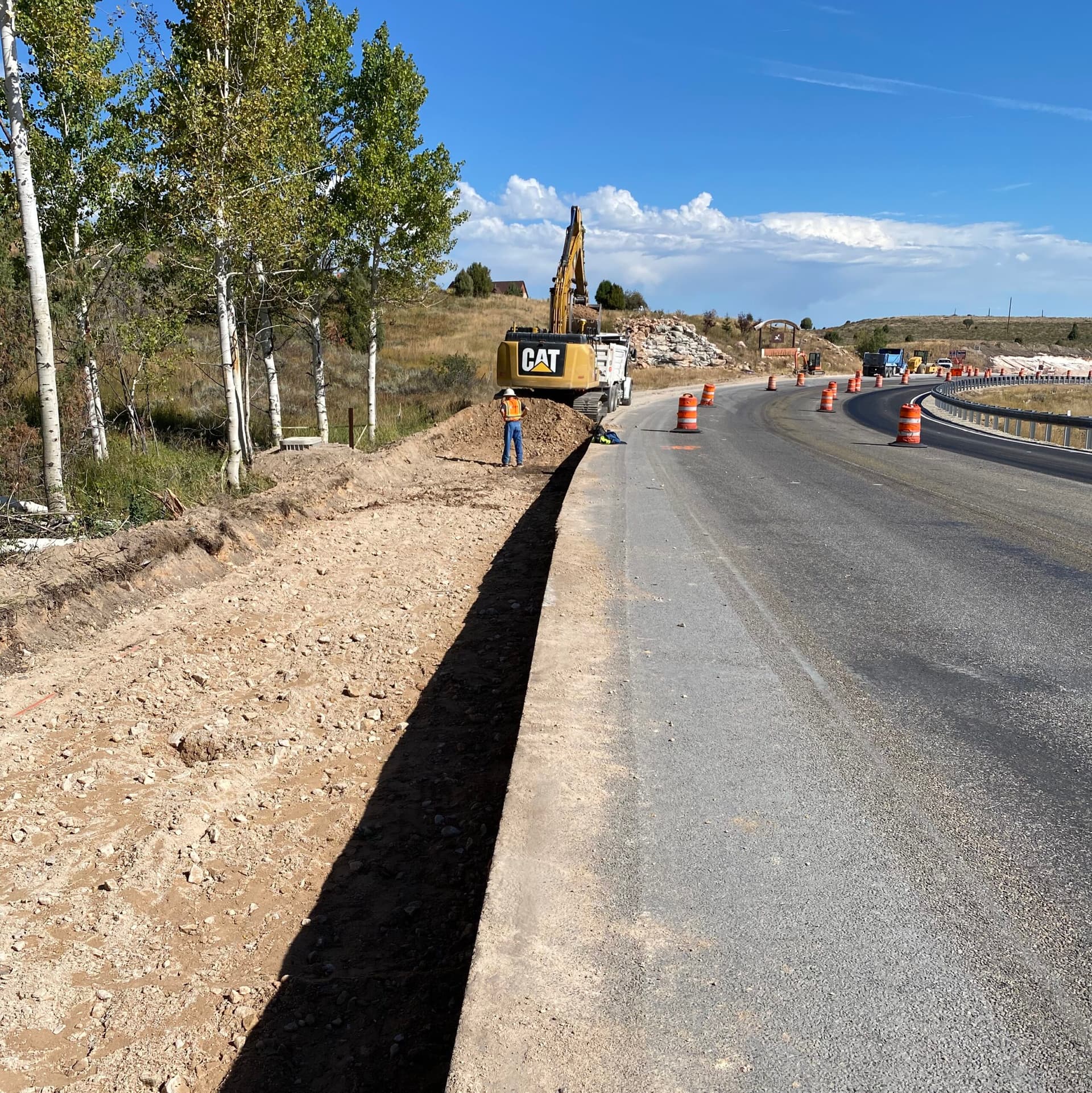
Intermittent construction is back in Logan Canyon, and for hikers, anglers and scenic-byway drivers it is already changing how a simple drive to Bear Lake gets sequenced. Work resumed on Monday, April 6, after the winter pause, and the current phase is expected to keep moving through early May before crews shift again to other parts of the canyon.
The project runs along U.S. Highway 89 and State Route 243, the spine of the Logan Canyon National Scenic Byway from Logan to Garden City through the Wasatch-Cache National Forest. UDOT says the job involves about 30 miles of fiber-optic cable between Logan and Garden City, a $25.4 million buildout aimed at improving safety and adding the infrastructure for a cellphone tower, remotely programmable warning signs, cameras and traffic monitoring. UDOT spokesperson Mitch Shaw has said the system will strengthen emergency-service support in Logan Canyon, where crashes and avalanches can leave motorists without a reliable way to call for help.
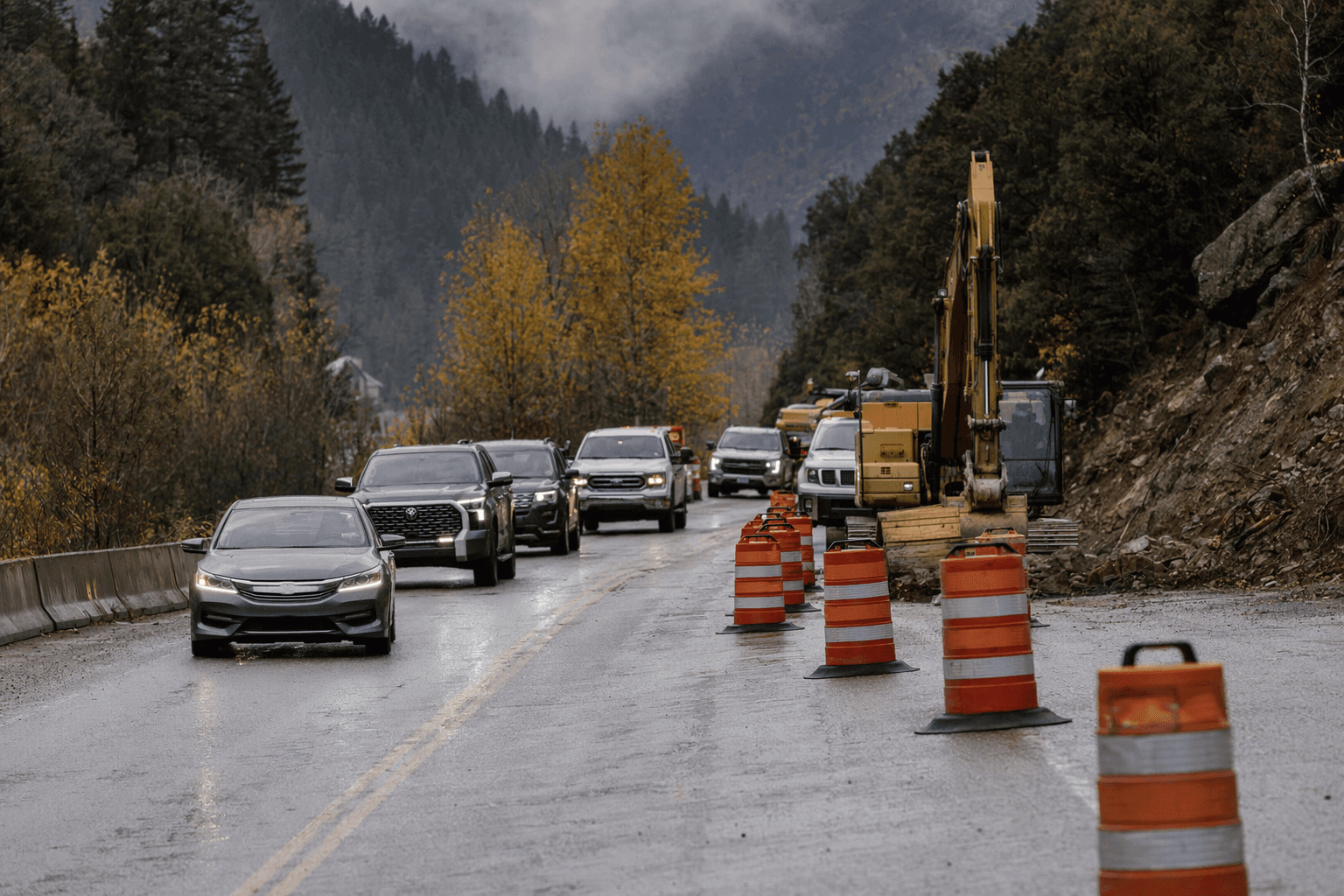
For travelers, the practical effect is less about the headline and more about the clock. During earlier phases, motorists were told to expect two traffic stops with waits of five to 20 minutes each, and later updates warned of multiple active work zones with one-way alternating traffic, trenches, uneven road surfaces and loose gravel. KVNU reported in April that the project had reached the halfway point, with active work zones near Stokes Nature Center, Card Canyon and southeast of Templefork. That is the kind of pattern that can turn a quick stop at a trailhead or fishing pullout into a longer drive day, especially when the canyon is already busy with weekend traffic.
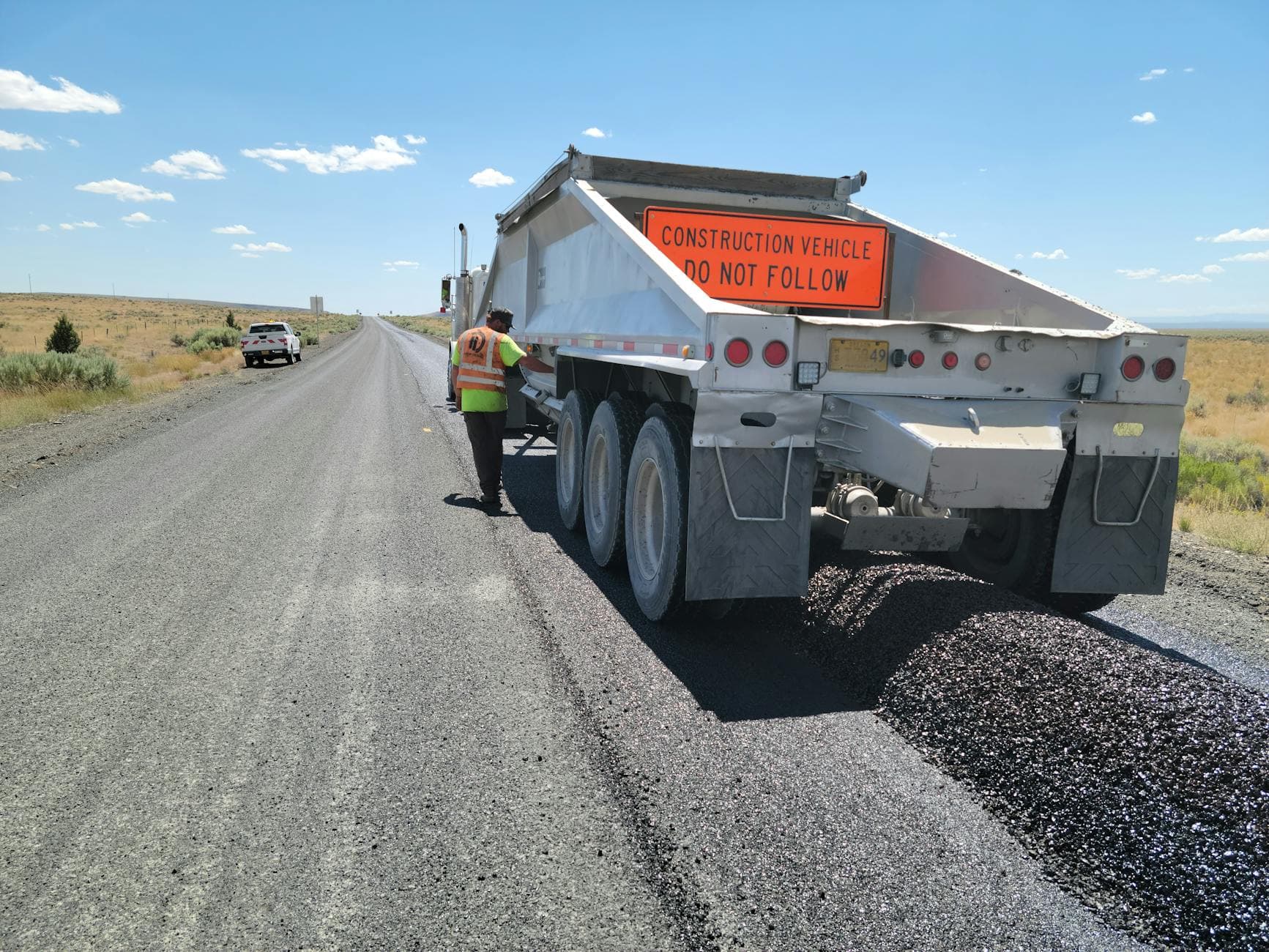
The timeline also means this is not a short spring disruption. Utah Public Radio reported last year that the project was slated to finish by fall 2026, and UDOT’s current update keeps that horizon in place. For day trips from the Wasatch Front, the smart move is to leave earlier, assume slower travel through active work areas and bundle stops so the canyon is crossed once rather than repeatedly. Logan Canyon still delivers the same river corridor, meadows and rock walls that make it a favorite route into higher-elevation recreation, but through much of 2026, the drive itself has become part of the planning.
This article was produced by Prism’s automated news system from verified source data, official records, and press releases, then run through automated quality and moderation checks before publishing. The system is built and supervised by the people who set the standards it runs under. Read our full AI policy.
Did this article answer your question?