Castle Valley ranch permanently protected, preserving scenic Moab viewshed
A 157-acre Castle Valley ranch is now locked against subdivision, keeping the River Road approach to Moab open beneath Castle Rock, Parriott Mesa and the La Sal Mountains.
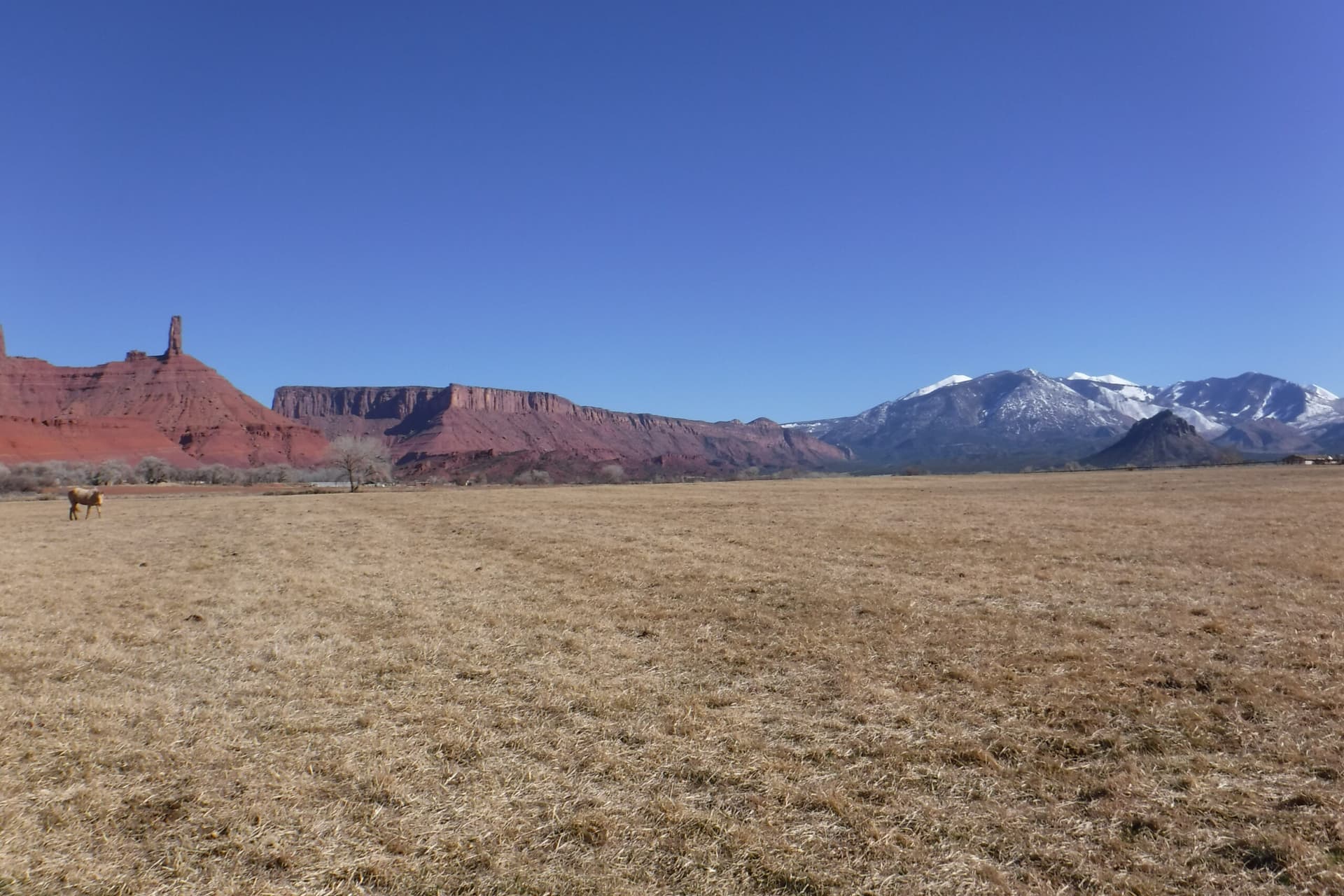
The views that define the drive into Castle Valley will stay open. A 157-acre ranch beneath Castle Rock, Parriott Mesa and the La Sal Mountains was permanently protected by a conservation easement recorded Dec. 1, 2025, keeping the property from being subdivided or developed while allowing ranching to continue.
The deal matters far beyond a single parcel. Castle Rock Ranch sits in one of Grand County’s most recognizable scenic corridors, where River Road and Highway 128 pull travelers past fields, wetlands, sagebrush, agricultural ground and riparian stretches that frame the approach into Castle Valley. By keeping that land intact, Canyonlands Field Institute and Utah Open Lands preserved the open-space character that gives the area its signature Moab-to-Castleton feel, rather than letting it break into homesites or a denser buildout.
CFI bought the ranch from Colin Fryer in 2019, using a generous donor gift restricted specifically to the acquisition of Castle Rock Ranch. When CFI later sold the property back to Fryer, it did so with the easement already attached, which meant the sale brought in less money than an unrestricted piece of land might have commanded. Michele Jordan Johnson treated that lower price as the cost of locking in permanent protection before the ranch changed hands again.
For CFI, the choice fit a long outdoor-education mission that began in 1984, when Karla VanderZanden and Robin Wilson founded the organization to bring Colorado Plateau learning to children and adults. The organization’s finances have not always been easy, either. In 2020, CFI reported losing $200,000 in revenue after school closures hit the outdoor-trip business that pays the bills, a reminder that the decision to prioritize conservation over maximum sale value carried real weight.
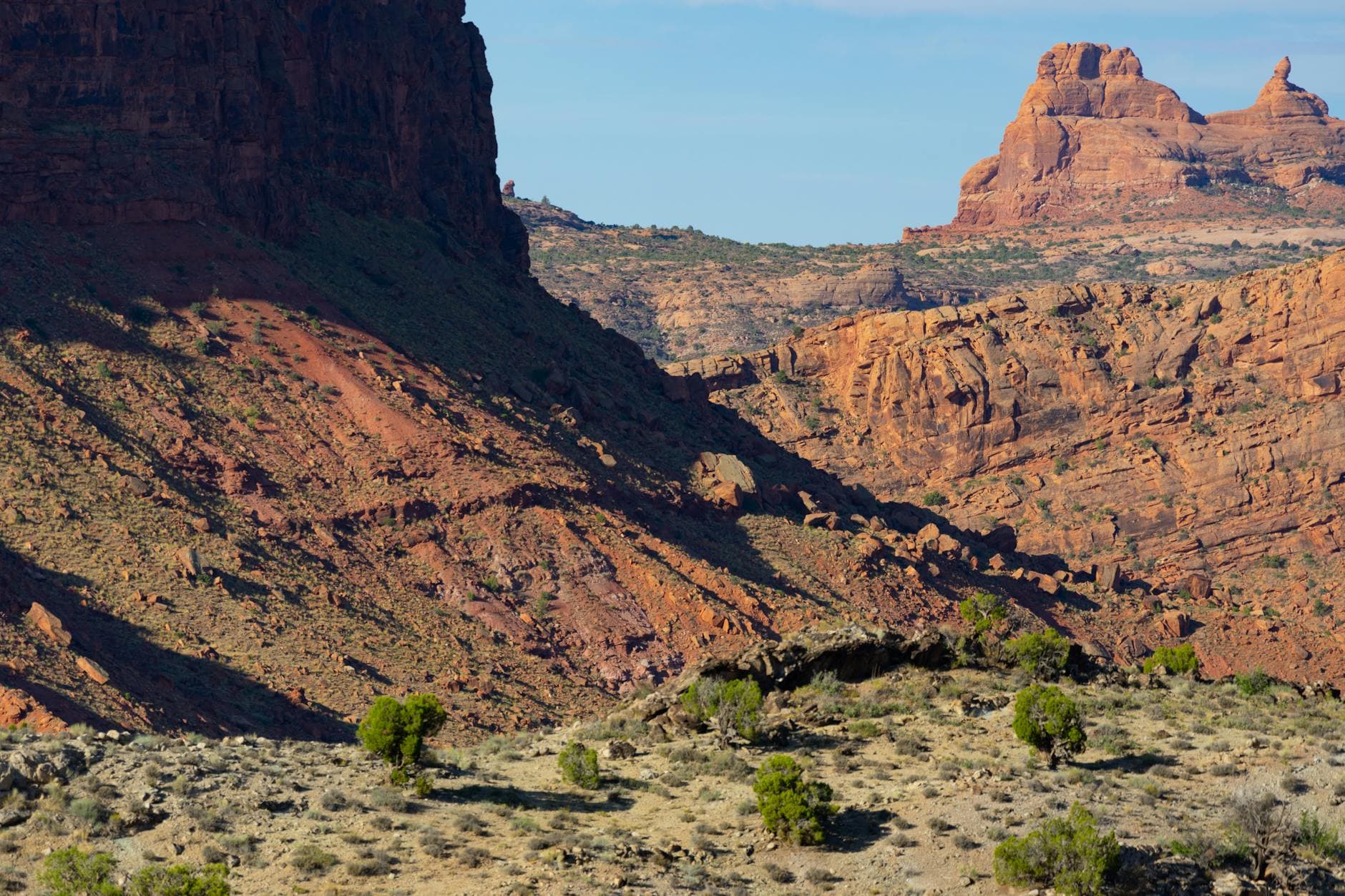
Utah Open Lands said the ranch helps protect a larger connected landscape stretching toward Fisher Valley and Mary Jane Canyon, and Wendy Fisher described the preserved property as a kind of “time capsule” at a moment of heavy development pressure. Utah Open Lands has worked in Castle Valley since 1998, when the sale of nearby state trust land first sharpened local attention on how quickly these open landscapes could disappear. Sue Bellagamba was credited with helping make the Utah Open Lands partnership possible.
The result is a permanent land-use line in the sand for one of southwest Utah’s most photographed settings. The ranch stays working land, the skyline stays unbroken, and the drive into Castle Valley keeps the same wide, undeveloped look that travelers come for in the first place.
This article was produced by Prism’s automated news system from verified source data, official records, and press releases, then run through automated quality and moderation checks before publishing. The system is built and supervised by the people who set the standards it runs under. Read our full AI policy.
Did this article answer your question?