Could outdoor recreation become healthcare? Forum signals policy shift
A Washington forum put hiking, parks and public lands in the same conversation as Medicaid, recess and preventive care, backed by a $1.3 trillion outdoor economy.

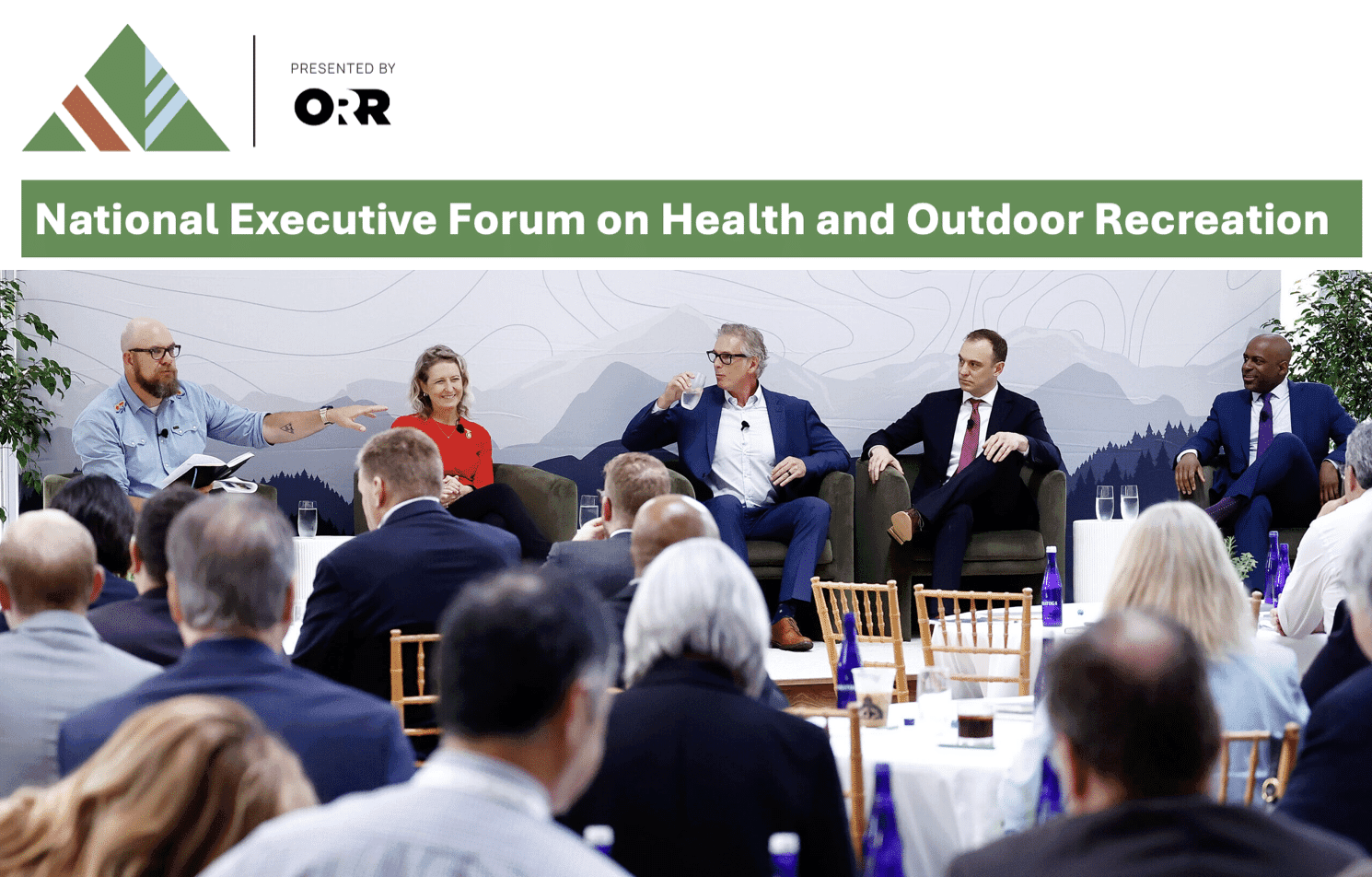
Outdoor recreation moved one step closer to healthcare when leaders gathered in Washington, D.C., to ask whether a hike, a trail day or a paddle session could be treated as preventive medicine. The first National Executive Forum on Health and Outdoor Recreation drew about 150 invitees, including Interior Secretary Doug Burgum, White House staff, leaders from the Bureau of Land Management and U.S. Fish and Wildlife Service, the chief medical officer tied to Medicaid and Medicare, recreation business executives, health researchers and foundation leaders.
The forum was the latest move in a campaign by Outdoor Recreation Roundtable to put time outside at the center of public health. The group announced the event on Sept. 2, 2025, saying it would bring together outdoor recreation CEOs, health care and pharmaceutical companies, policy experts and researchers. By the time the forum opened at the White House Historical Association’s Decatur House on May 7, the agenda had grown into 10 cross-sector conversations focused on how outdoor access can be folded into policy and practice.
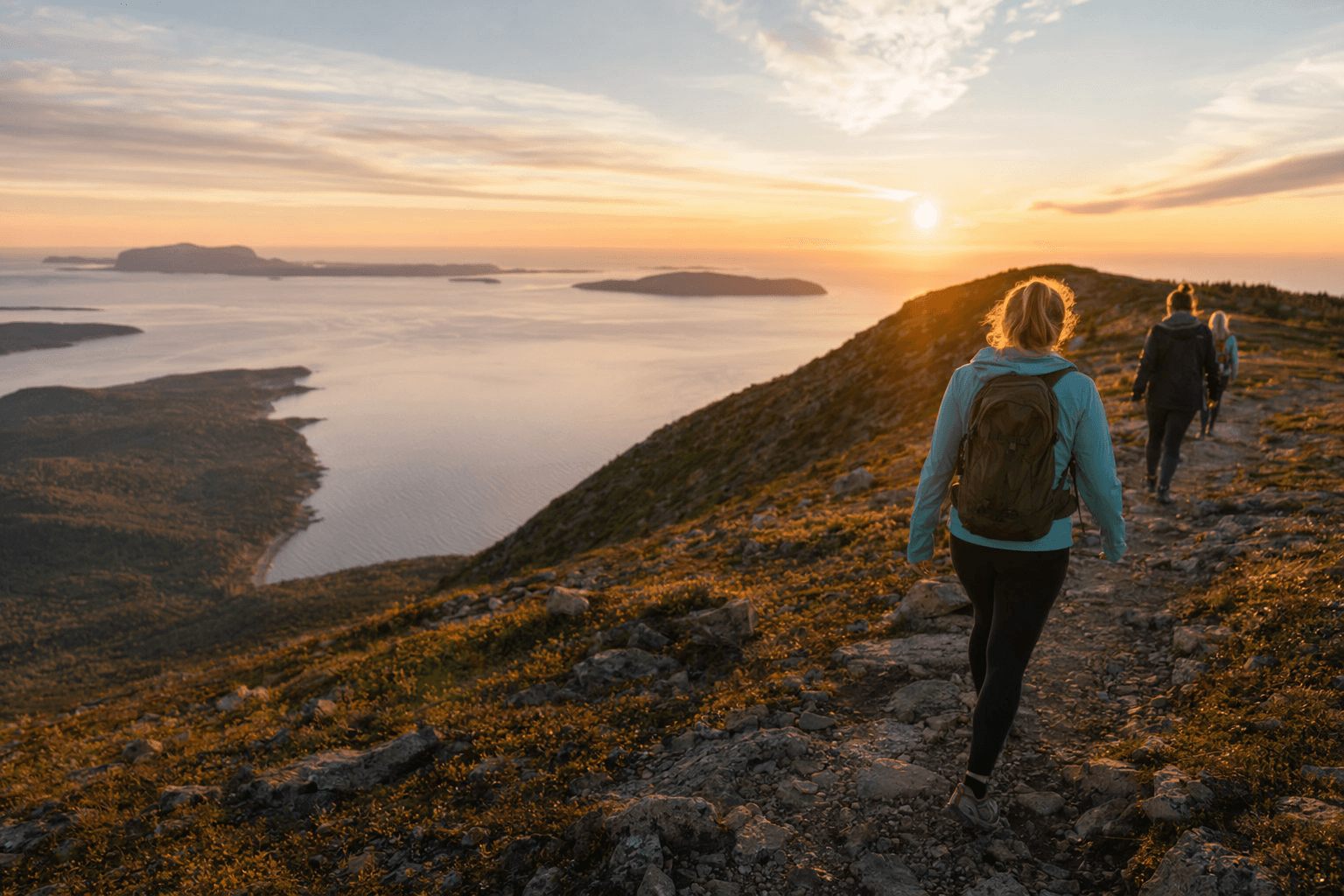
That push rests on a simple economic argument as much as a health one. Outdoor Recreation Roundtable says the outdoor recreation economy is worth about $1.3 trillion and supports 5.2 million jobs. At the forum, that scale was used to make a bigger point: trails, parks and open space are not just tourism amenities, they are community infrastructure. If outdoor time helps reduce stress, improve mental health and strengthen social connection, then access to it starts to look like a public-health issue, not just a lifestyle perk.
The policy ambition is broad. Jessica Turner said the goal is to change how schools treat recess, how employee benefit plans reward outdoor time and how the health system views the outdoors. Outside advocates framed the same shift as something that could happen faster than usual, with progress measured in months rather than years. That urgency is behind the Rural Outdoor Recreation and Health Catalyst Grant Program, launched at the forum and backed by the Richard King Mellon Foundation, the LOR Foundation and The VF Foundation, to support locally led projects in rural America.
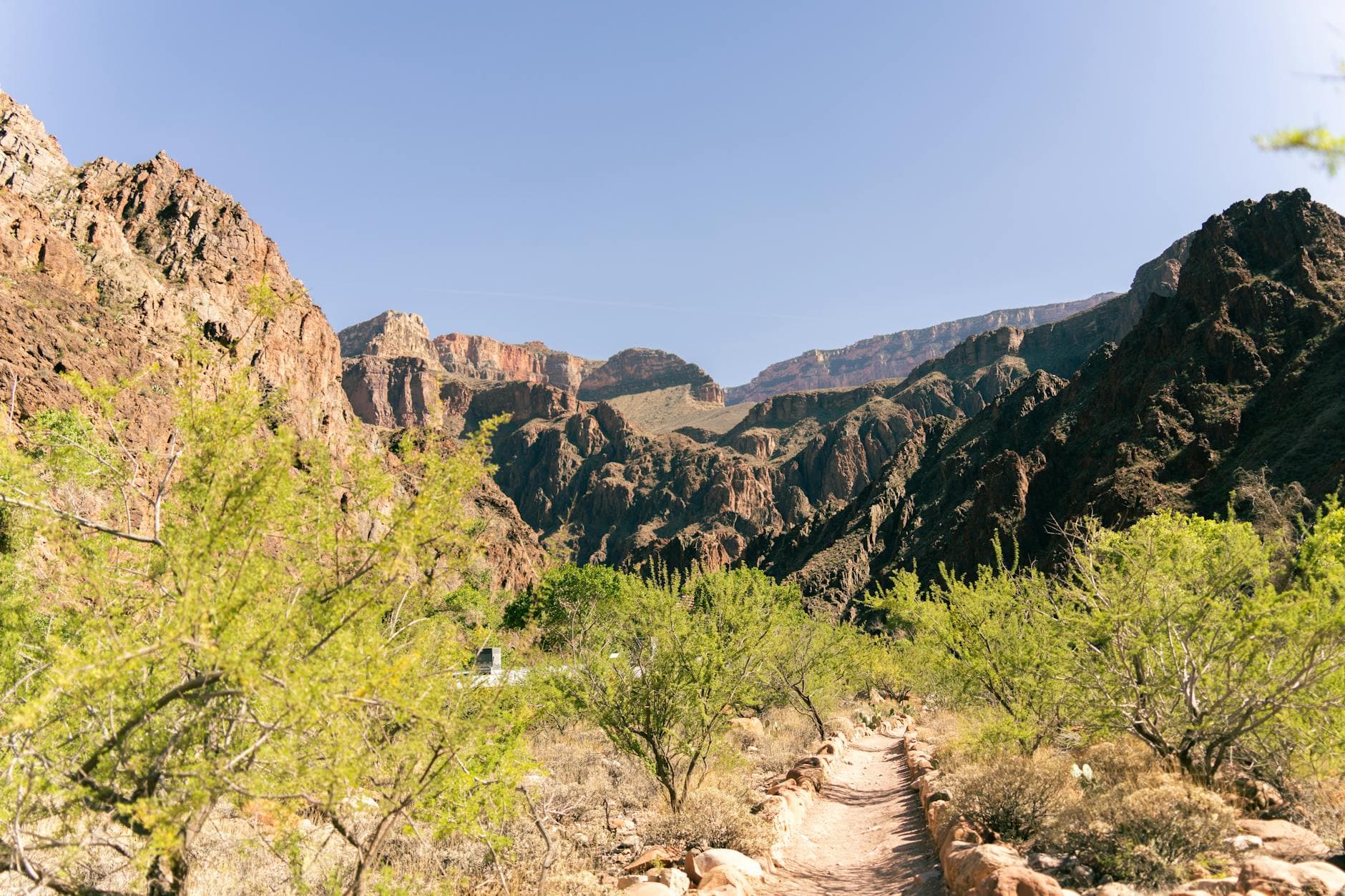
The forum also reached back to the movement’s cultural roots. Richard Louv, author of Last Child in the Woods and co-founder of Children & Nature Network, received Outdoor Recreation Roundtable’s inaugural Outdoor Recreation Lifetime Achievement Award. Another session brought Kathryn Burgum and Stacy Bare together for a discussion of addiction, treatment and recovery, underscoring how outdoor experiences are being linked to healing as well as recreation. For Southwest destinations built on hiking, riding, paddling and long hours in the open country, the message was clear: the next wellness story may not be a spa package at all, but access to the trailhead.
This article was produced by Prism’s automated news system from verified source data, official records, and press releases, then run through automated quality and moderation checks before publishing. The system is built and supervised by the people who set the standards it runs under. Read our full AI policy.
Did this article answer your question?