Interior Department rolls back BLM conservation rule on public lands
The BLM’s conservation rule is gone, shrinking a policy that had put habitat protection and restoration on equal footing with drilling, grazing and recreation.
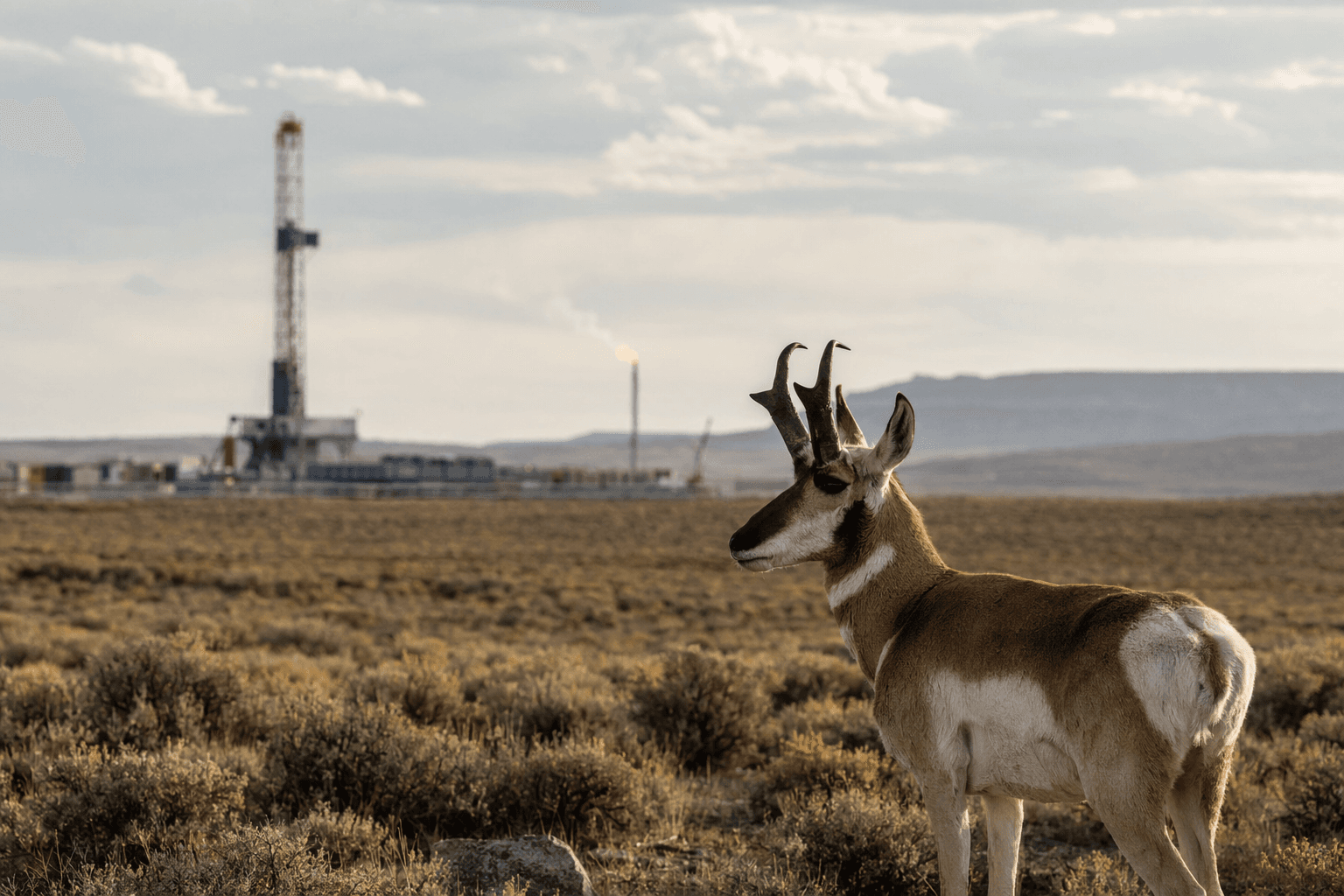
The Interior Department moved to wipe out the Bureau of Land Management’s Conservation and Landscape Health Rule on May 12, 2026, a sharp turn that matters far beyond Washington, D.C. For anyone hiking, camping, climbing or driving dispersed routes on BLM ground in the Southwest, the rollback narrows the set of tools land managers can use to protect scenery, habitat and the trail corridors that make those trips work.
The rule that just got rescinded was finalized on May 9, 2024. It applied land health standards to all BLM-managed public lands and uses, codified conservation tools inside the Federal Land Policy and Management Act framework, and revised the agency’s approach to Areas of Critical Environmental Concern. BLM said the policy was meant to protect clean water and wildlife habitat, restore lands and waters, and bring science, data and Indigenous knowledge into land-management decisions.
The rescission followed a formal proposal on September 11, 2025, with public comments running through November 10, 2025. The final notice says the repeal becomes effective June 11, 2026. Interior framed the move as a return to multiple-use management and said it would restore balance while prioritizing access, local decision-making and responsible energy development, ranching, grazing, timber production and recreation.
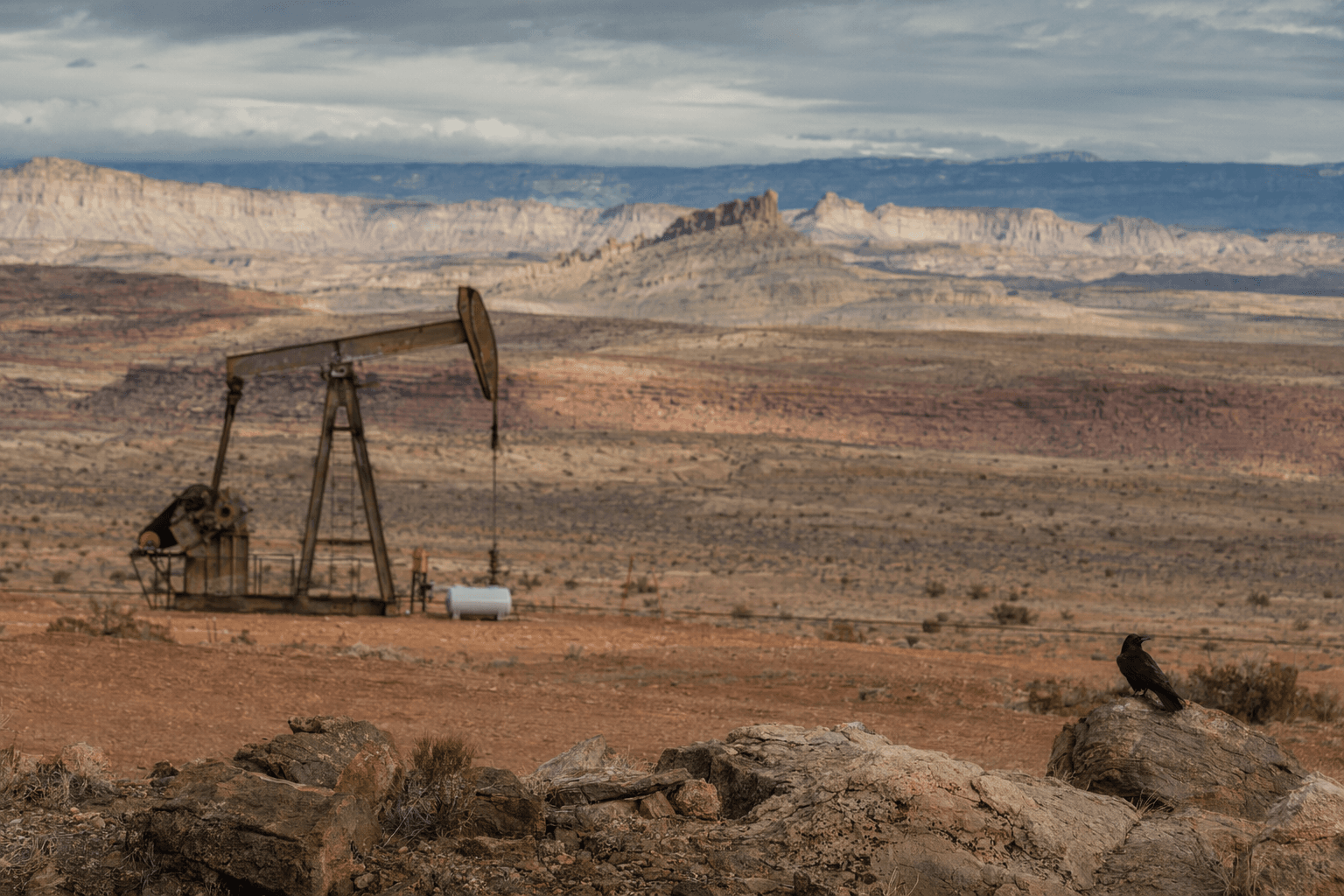
That change is not abstract on Southwest dirt. BLM lands are where a lot of the region’s real outdoor access lives, from desert two-tracks and boondocking sites to trailheads, climbing zones and river corridors. Outdoor Alliance says BLM lands alone hold more than 25,000 miles of trails, more than 23,000 climbing routes and boulder problems, and thousands of miles of whitewater rivers. When conservation is pushed down the list, the places most likely to feel it are the ones already under pressure: wildlife habitat near busy trail systems, water sources that sustain camping corridors, and landscapes where restoration work has been keeping fragile terrain from getting hammered by heavy use.
The reaction split fast. The Wilderness Society said the repeal strips needed guidance from the nation’s largest land agency and undercuts a balanced approach Congress set nearly 50 years ago. Sierra Club said the administration finalized the rescission through a process that limited public participation and ignored opposition, calling it part of a broader push to weaken public land protections in favor of extractive industries. Outdoor Alliance, meanwhile, has argued that recreation depends on land-health decisions as much as energy or grazing does.
The practical takeaway is simple: the rule that once gave conservation equal standing on BLM land is being pulled back just as more people are using those places for long weekends, overland runs and shoulder-season escapes. On the ground, that could mean more contested places, less restoration leverage and a harder fight to keep the Southwest’s public-land scenery intact.
This article was produced by Prism’s automated news system from verified source data, official records, and press releases, then run through automated quality and moderation checks before publishing. The system is built and supervised by the people who set the standards it runs under. Read our full AI policy.
Did this article answer your question?