Fraser installs Beaver Deceivers to protect trail and river access
Crews waded into the Fraser River on May 7 and 8 to install two Beaver Deceivers, a quiet fix meant to keep culverts clear and the trail from washing out.
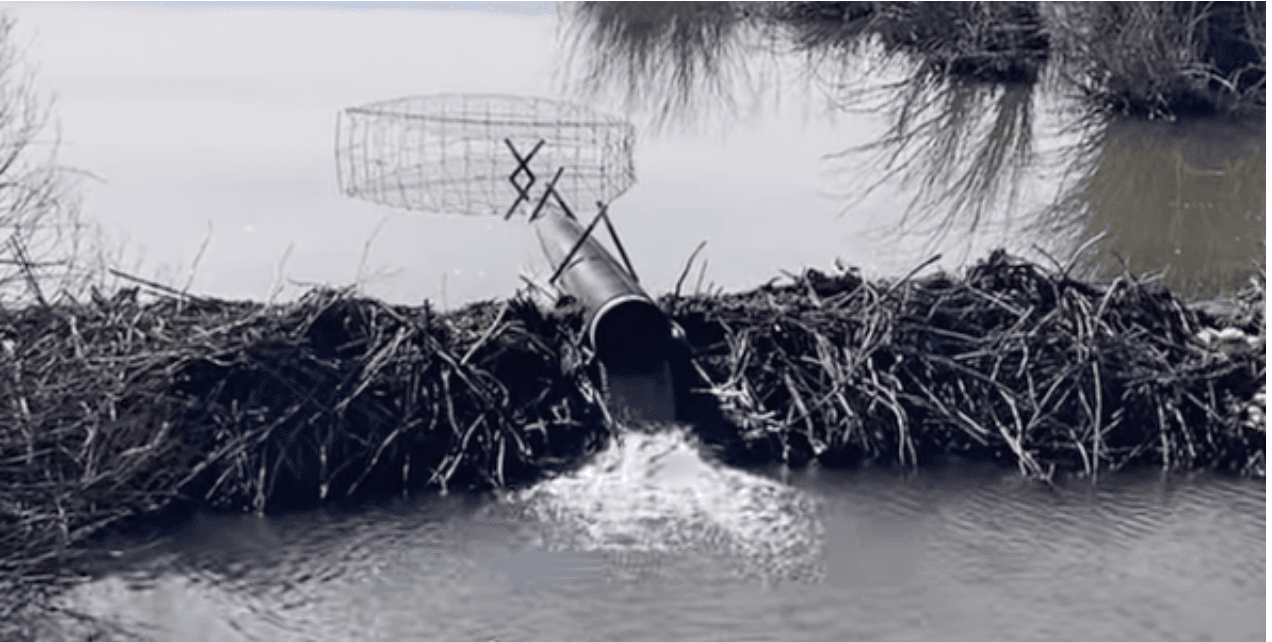
Crews were knee-deep in the Fraser River on May 7 and May 8, installing two Beaver Deceiver devices to keep beavers from clogging culverts and sending water onto the Fraser River Trail.
The setup is low-profile but practical. Beaver Deceivers use long underwater pipes to move water through a dam structure in a way that keeps the flow going while making the site less attractive to beavers. The point is not to remove the animals. It is to stop the chain reaction that starts when a culvert gets plugged, water backs up, and erosion or washouts begin chewing at a trail corridor.
That approach fits what Colorado Parks and Wildlife and the U.S. Forest Service have been pushing for years: coexistence. Beaver Deceiver systems are a non-lethal flow-device solution, and the Forest Service says these devices work by reducing the sound and appearance of running water that triggers beavers to build and maintain dams. The alternative is often bigger and more expensive, from culvert replacement to relocation. Beaver Deceivers has said the goal is to end conflicts for decades while allowing live beavers to stay in the ecosystem, and the original invention dates to 1970, when Skip Lisle installed one on a town road culvert on his family property in Maine.
The timing also makes sense in Colorado. State wildlife officials say beavers are important to streams and wetlands, and the agency is building a statewide beaver conservation and management strategy centered on coexistence, restoration and relocation. A U.S. Army and Forest Service document says conflicts in Colorado grew after Amendment 14 in 1996 banned leghold and kill traps, which changed how people managed beaver problems. The result is a lot more interest in tools that keep water moving without reaching for lethal control.
In Fraser, that matters because the river corridor is already carrying a lot of the town’s outdoor load. Planning materials from January 2026 referenced the Fraser River Corridor Master Plan and the Fraser River Trail Master Plan, along with enhanced cross-country ski grooming, Marianne’s Loop Trail, bathrooms at the Lions Ponds, the Fraser Bike Park and a proposed pedestrian bridge to the Lions Ponds. The Beaver Deceiver work fits that same pattern of small, targeted investments that keep a mountain-town corridor usable.
For people heading out this summer, the payoff is simple: fewer washouts, smoother trail surfaces and a better shot at keeping the Fraser River corridor open without turning it into a fight with the wildlife that helped shape it.
Know something we missed? Have a correction or additional information?
Submit a Tip