Emergency response aims to keep Lake Powell above critical power level
Lake Powell sat just 37.99 feet above Glen Canyon Dam’s minimum power pool, leaving little room before power generation gets pinched. Reclamation is moving water in from Flaming Gorge to keep the lake above 3,490 feet.
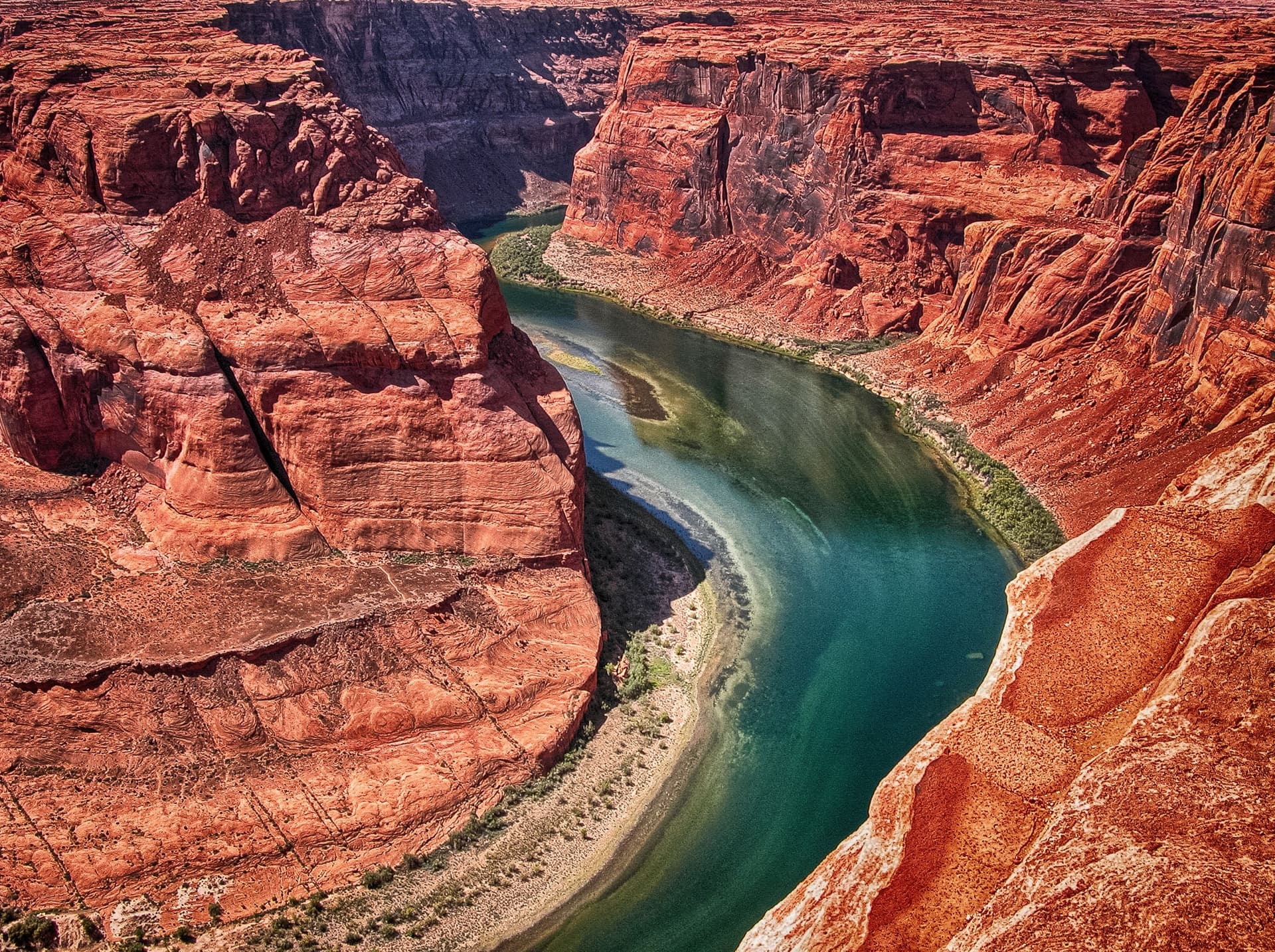
Lake Powell is again being managed around a hard line that matters to anyone heading to Page, Bullfrog, or a houseboat on the lake: 3,490 feet, the minimum power pool at Glen Canyon Dam. Below that elevation, the dam can no longer produce hydropower, and that is exactly the kind of threshold that turns a lake trip into a logistics problem fast.
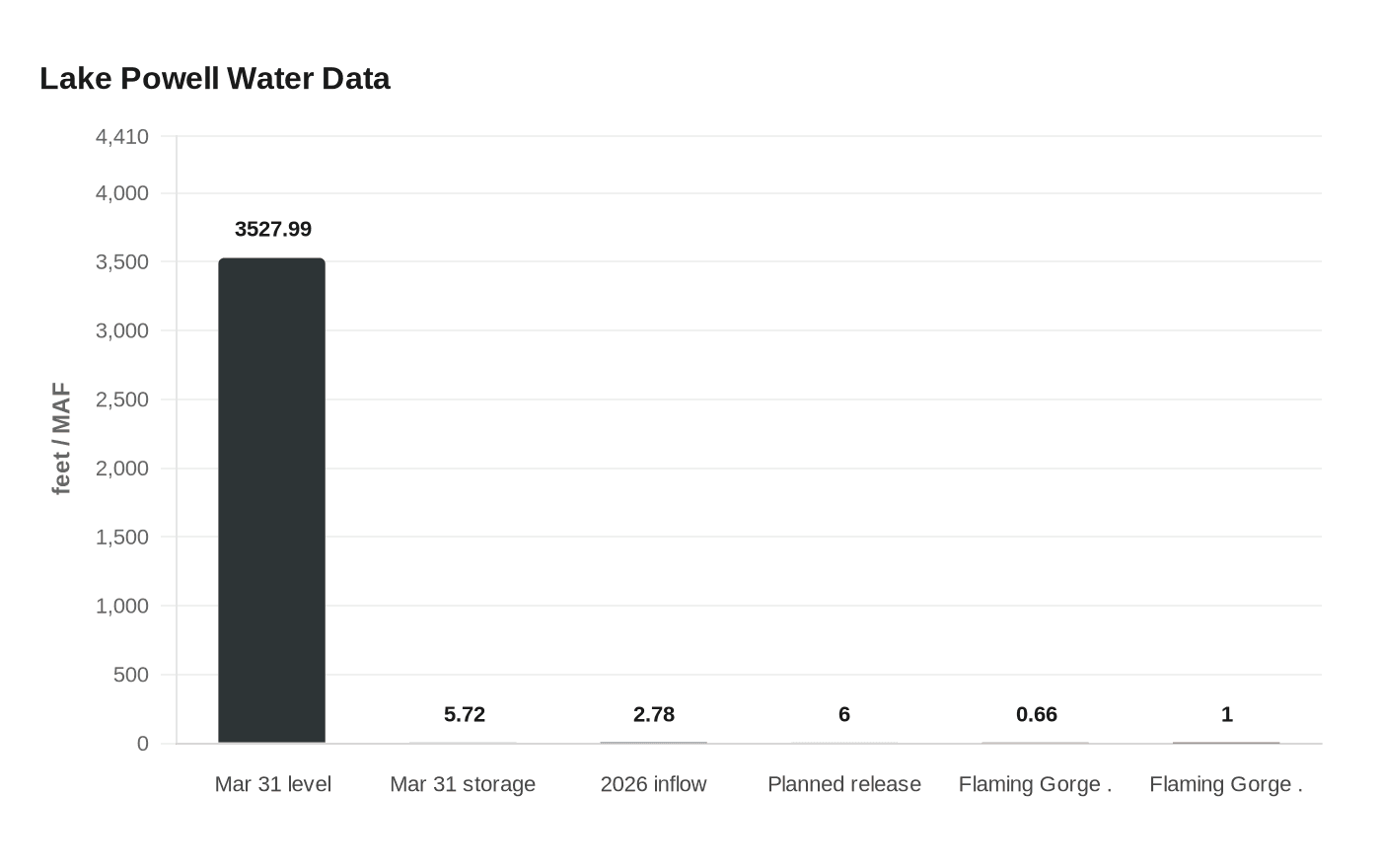
The Bureau of Reclamation moved on April 17 with an emergency response aimed at keeping Lake Powell out of that danger zone. Its April 2026 24-Month Study put the reservoir’s minimum probable water year 2026 inflow at just 2.78 million acre-feet, or 29% of historical average, and said the lake could slip below 3,490 feet by August 2026 without intervention. As of March 31, Lake Powell stood at 3,527.99 feet and 5.72 million acre-feet, about 25% of live capacity, which leaves very little cushion heading into the heavy-use season.
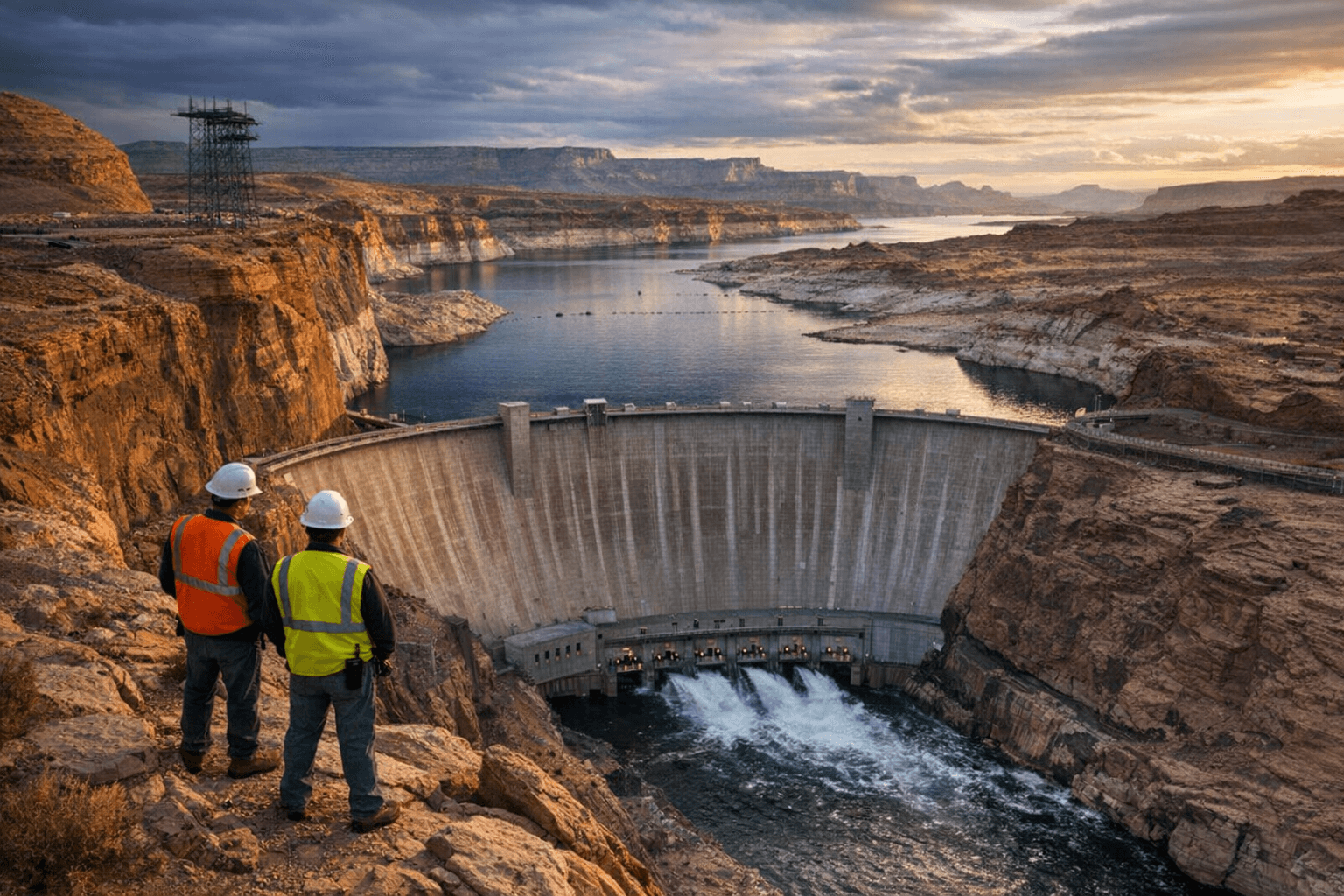
Reclamation’s response is built around moving water into Powell and holding back releases. The plan calls for Flaming Gorge releases of 660,000 acre-feet to 1 million acre-feet from April 2026 through April 2027, while cutting Lake Powell’s annual release to Lake Mead from 7.48 million acre-feet to 6.0 million acre-feet through September 2026. The agency said the combination should raise Lake Powell by about 54 feet, to at least 3,500 feet by April 2027. That target still sits below the 3,525-foot management buffer Reclamation uses to stay 35 feet above minimum power pool, but it is far better than watching the lake drift toward a level where power operations get unstable.
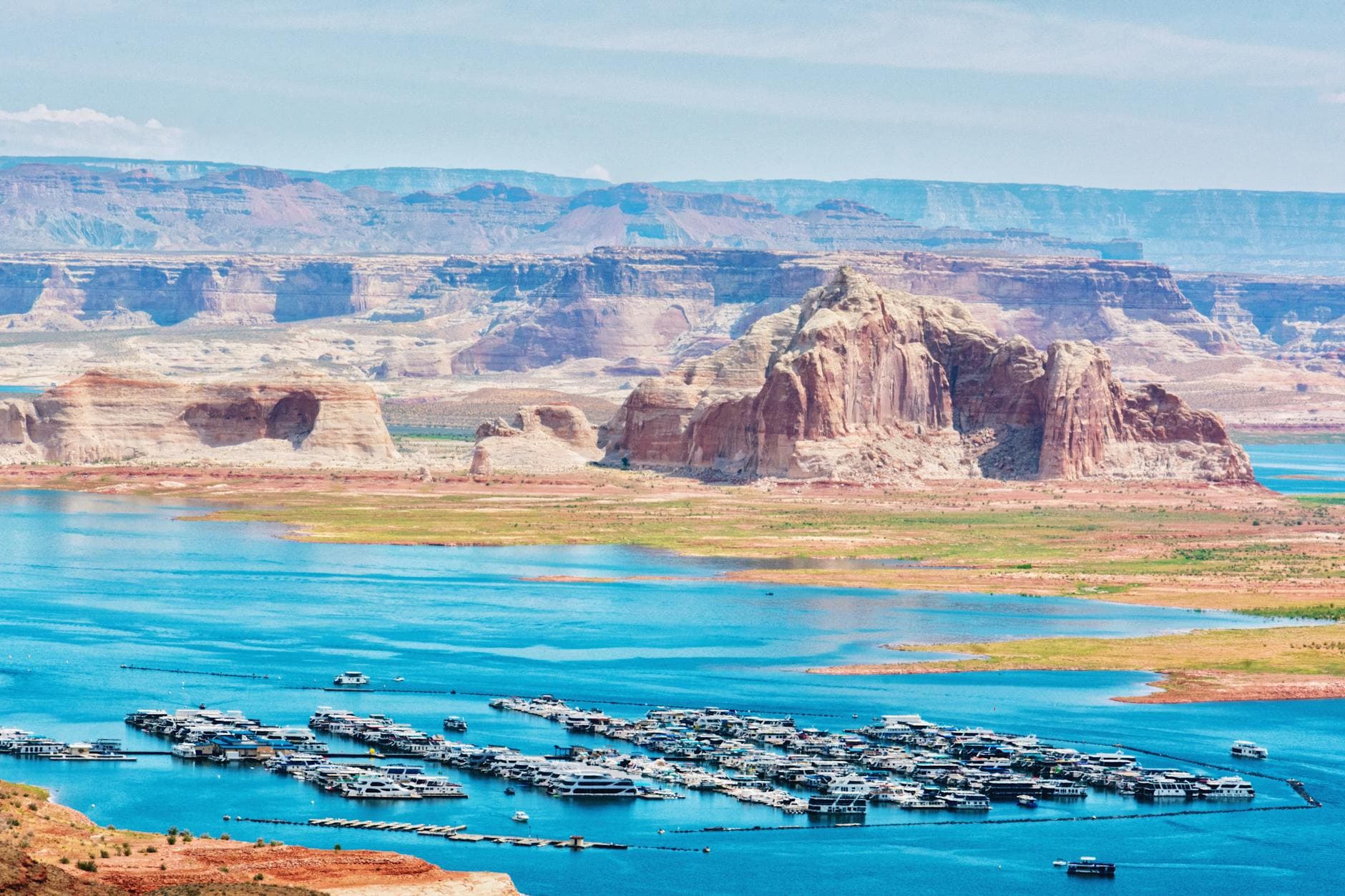
For travelers, the big takeaway is that Lake Powell is entering another season of active management, and that means conditions around boat ramps, marina access, and launch plans can change with little warning. Glen Canyon National Recreation Area covers more than 1.25 million acres in Arizona and Utah, but Lake Powell makes up only about 13% of that footprint and remains the feature most visitors build their trips around. When the reservoir is this low, every foot matters, especially for houseboat itineraries and anything that depends on a predictable launch window.
Reclamation is not improvising here. Its drought-response agreement already used the same basic tool in 2021 and 2022, when releases from Flaming Gorge and the Aspinall Unit helped protect Powell. This time, the trigger is harsher: prolonged drought, the lowest winter snowpack on record, record March heat, and a Colorado River system sitting at about 36% of capacity. For anyone locking in a Glen Canyon trip, the number to watch is still 3,490 feet, because that is the point where the lake stops being just low and starts becoming operationally fragile.
This article was produced by Prism’s automated news system from verified source data, official records, and press releases, then run through automated quality and moderation checks before publishing. The system is built and supervised by the people who set the standards it runs under. Read our full AI policy.
Did this article answer your question?