Four Wheel Campers unveils flexible two-week Southwest road trip itinerary
Four Wheel Campers’ new Southwest route is built for travelers who want freedom, not rigid bookings. It works best if you can handle remote miles, dispersed camping, and smart resupply planning.
Why this itinerary lands now
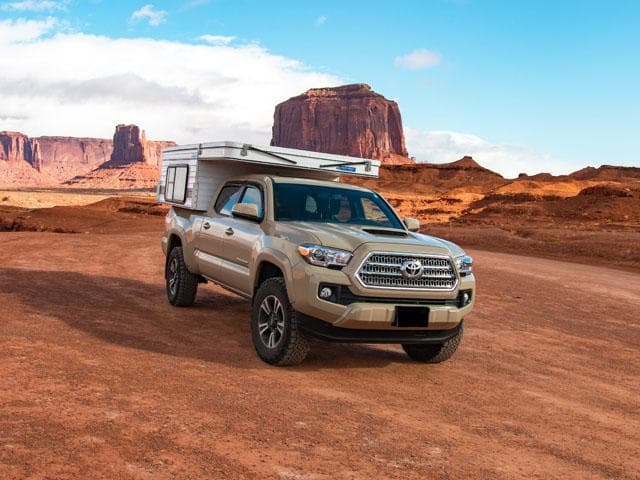
A truck camper changes the Southwest from a reservation-heavy checklist into a route you can actually follow by weather, light, and road condition. Four Wheel Campers’ new two-week itinerary, published April 15, 2026, is built around that idea, drawing on years of travel through Utah, Arizona, Nevada, and California to create a trip that prizes flexibility over fixed bookings.
That timing matters. The National Park Service says visitation hit a record 331.9 million recreation visits in 2024, then dipped only slightly in 2025 to 323 million, still an enormous number of people moving through the parks. In a region where crowds, parking lines, and shuttle systems can shape an entire day, the off-grid approach is not just romantic. It is practical.
What the route is really asking of you
This is not a plug-and-play loop for anyone who wants a bed waiting every night. The itinerary assumes you are comfortable leaving room for detours, taking dirt roads without needing every mile mapped in advance, and adjusting plans when weather or crowding shifts the day. That makes it a strong fit for self-directed travelers who want to camp, roam, and move without being locked into strict timelines.
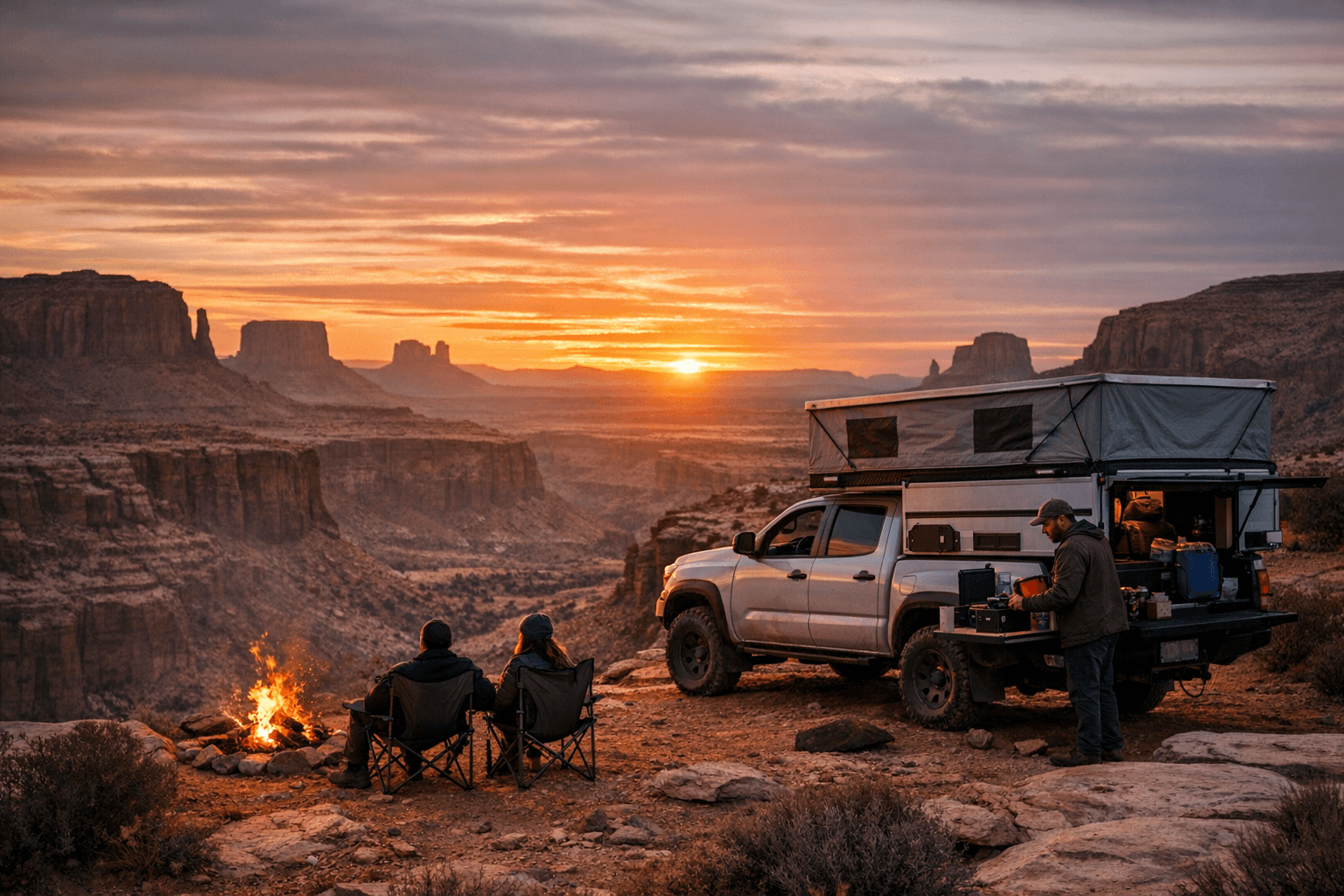
It also rewards preparation. A truck camper gives you more room to absorb delays, move camps if a site feels wrong, and chase a better sunset or quieter canyon rim. But the same freedom can become stress if you run low on water, fuel, or patience in the wrong stretch of public land. The difference between a great trip and a frustrating one often comes down to how well you plan your exits, refills, and fallback camps.
Week one: the southern Utah backbone
The first week leans hard into southern Utah, which the guide treats as the core of a classic Southwest road trip. Zion National Park, Bryce Canyon National Park, Capitol Reef National Park, Arches National Park, and Canyonlands are the backbone, but the real value comes from the side routes and less crowded terrain around them.
That is where places like Grand Staircase-Escalante, Hole-in-the-Rock Road, Hell's Backbone Road, the San Rafael Swell, Marlboro Point, and Hartnet Road come in. The itinerary makes a clear point: some of the most memorable parts of a Southwest trip happen outside the marquee entrances. For truck-camper travelers, that is the big payoff, because the route is built around terrain, not just names on a sign.
The crowd reality behind the postcard scenery
The reason this style of trip resonates is simple: the headline parks are busy, and they are not getting emptier. Zion is among the small group of parks that has exceeded 5 million annual visits, and Utah’s Mighty Five drew more than 11 million visitors in 2024, according to reporting that cited federal data. Capitol Reef and Arches have both faced growing visitor pressure, while Bryce Canyon has seen visitation steadily rise in recent years.
Arches is a good example of the balancing act travelers now face. The park announced on February 18, 2026 that advanced timed-entry reservations would not be required this year, but it still warns visitors to plan for entrance lines and limited parking at popular destinations. Reservations remain required for Devils Garden Campground and both self-guided and ranger-led Fiery Furnace hikes, so freedom in 2026 does not mean zero planning.
How each park changes the way you travel
The itinerary works because it respects the rules of the parks instead of pretending they do not exist. In Zion, private vehicles cannot drive Zion Canyon Scenic Drive during shuttle season, so your timing matters as much as your route. Zion’s shuttle buses arrive about every 5 to 10 minutes on the canyon line and about every 10 to 15 minutes on the Springdale line, which makes the park accessible, but only if you are willing to move with the system.
Bryce Canyon’s 2026 shuttle season runs from April 3 to October 18, another reminder that the park experience changes with the calendar. Capitol Reef stays open year-round, but spring through fall is busy, and parking can be difficult at popular trailheads. That means a flexible road trip here is not a luxury. It is the best way to keep the day from being dictated by a full lot or a long line.
Why dispersed camping is such a natural fit
The route’s off-grid focus matches how much of the Southwest is managed. The Bureau of Land Management says most BLM lands allow dispersed camping unless an area is posted closed or carries special restrictions, and the usual stay limit is 14 days within any 28-day period. That opens the door to real flexibility, especially for travelers willing to stay alert to local rules and closures.
For this style of trip, campsite strategy matters as much as scenery. You want a mix of public-land pullouts, backup options near park gateways, and enough fuel and water to reach the next practical stop without panic. The itinerary’s appeal is that it lets you shift when a road looks better than expected, but that freedom only works when you treat resupply as part of the route instead of an afterthought.
Who this trip fits best
This itinerary fits travelers who like planning with room to breathe. It is best for people who already understand truck-camper basics, can handle long stretches between services, and want the kind of Southwest trip where the side roads matter as much as the destination.
It is less friendly to anyone who wants every night reserved, every turn predetermined, or every camp guaranteed to have hookups. The guide’s real message is that the Southwest still rewards self-sufficiency. If you are willing to bring water, watch the weather, and stay open to where the dirt road leads, the route delivers the kind of freedom most visitors only imagine.
This article was produced by Prism’s automated news system from verified source data, official records, and press releases, then run through automated quality and moderation checks before publishing. The system is built and supervised by the people who set the standards it runs under. Read our full AI policy.
Did this article answer your question?