How to hike the Grand Canyon safely in extreme heat
Triple-digit heat has made Grand Canyon hikes a timing game. The park's hard stop is now 10 a.m. to 4 p.m., with no-water routes and delayed rescue raising the stakes.

On June 18, 2026, Grand Canyon National Park warned hikers to avoid strenuous Inner Canyon hiking between 10 a.m. and 4 p.m., when shade can still mean 109°F. After Scott Sims died on the River Trail near Phantom Ranch in 2024 and three more heat-related deaths followed in two June 2026 incidents, experienced hikers are reading the forecast as a route decision, not a comfort note. If the Inner Canyon is going to turn hot, the plan has to change before the trail does it for you, even if that means a shorter objective, an earlier start, or scrapping the hike entirely.
Read the canyon, not the rim
The South Rim sits at roughly 7,000 feet and the North Rim at about 8,000 feet, but those elevations do not protect you once you drop into the canyon. The park’s summer guidance warns that daytime temperatures in the Inner Canyon can exceed 110°F.
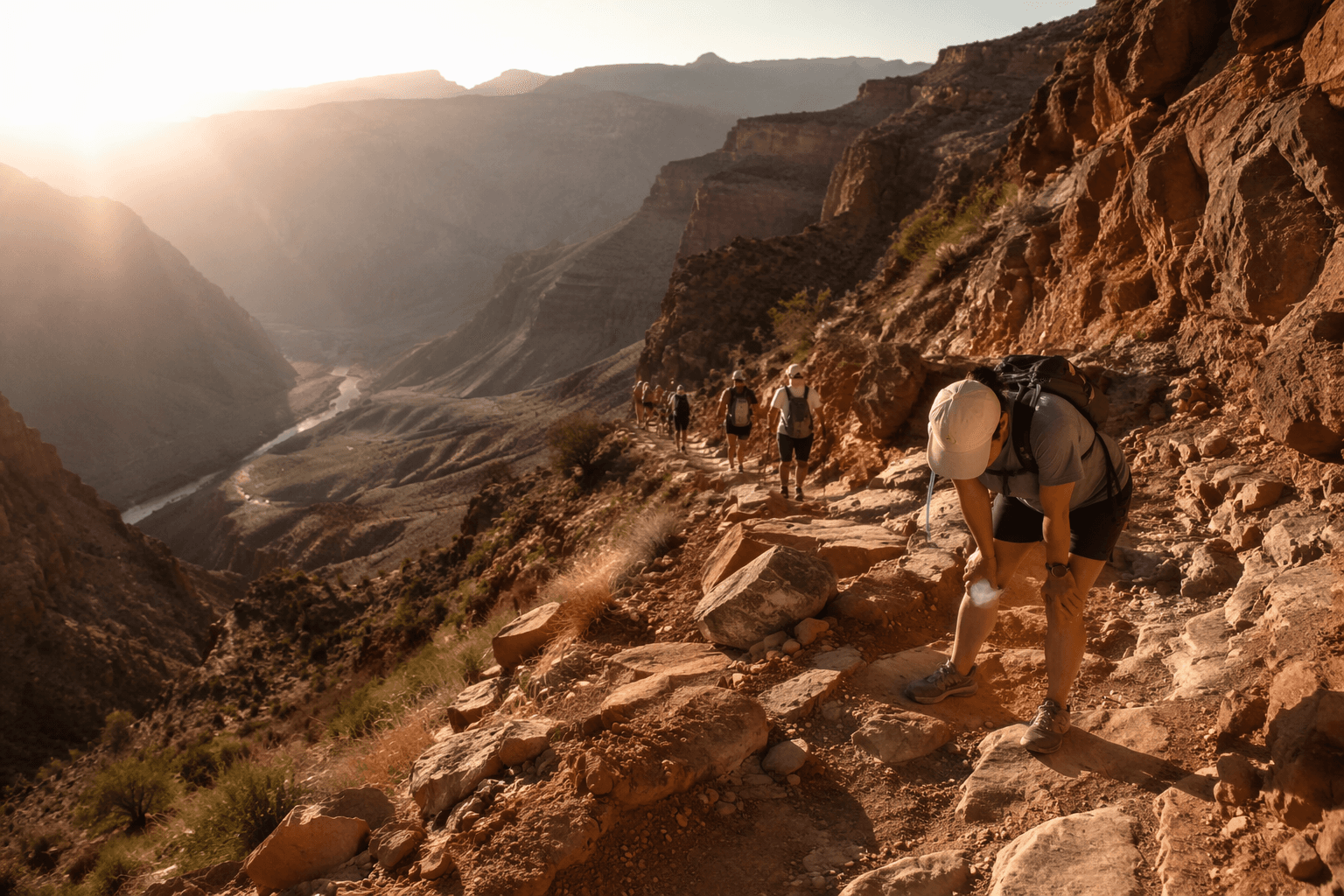
Veterans of canyon hiking now treat temperature like terrain. A route that looks manageable from the rim can become a very different proposition halfway down, especially on the return climb, where heat, exposure, and fatigue stack up fast.
Routes that force a rethink
Some trails demand more respect than others in summer. The South Kaibab Trail has minimal shade and no water sources in the warm months, which makes it a poor choice when the forecast is already pushing hard toward the triple digits. The Tonto Trail between The Tipoff and Havasupai Gardens has no water and very limited shade, another combination that leaves little margin when the day heats up.
The River Trail near Phantom Ranch is where Scott Sims, 69, of Austin, Texas, died on July 1, 2024 after attempting to reach Phantom Ranch via South Kaibab. The park reported that exposed parts of the trail can reach over 120°F in the shade.
The thresholds that should change your plan
If your route puts you in the Inner Canyon during the 10 a.m. to 4 p.m. window, the park’s warning is already telling you to change course. If your objective depends on the South Kaibab Trail or the Tonto Trail between The Tipoff and Havasupai Gardens, the lack of water and shade should push you toward a different trail, an earlier start, or a shorter turnaround.
A practical checklist looks like this:
- If the hike would keep you in the Inner Canyon after midmorning, start earlier or cut mileage.
- If the forecast is headed toward 109°F in the shade, treat that as a serious warning, not a challenge.
- If the route has no water, limited shade, or long exposed return miles, switch to a cooler objective.
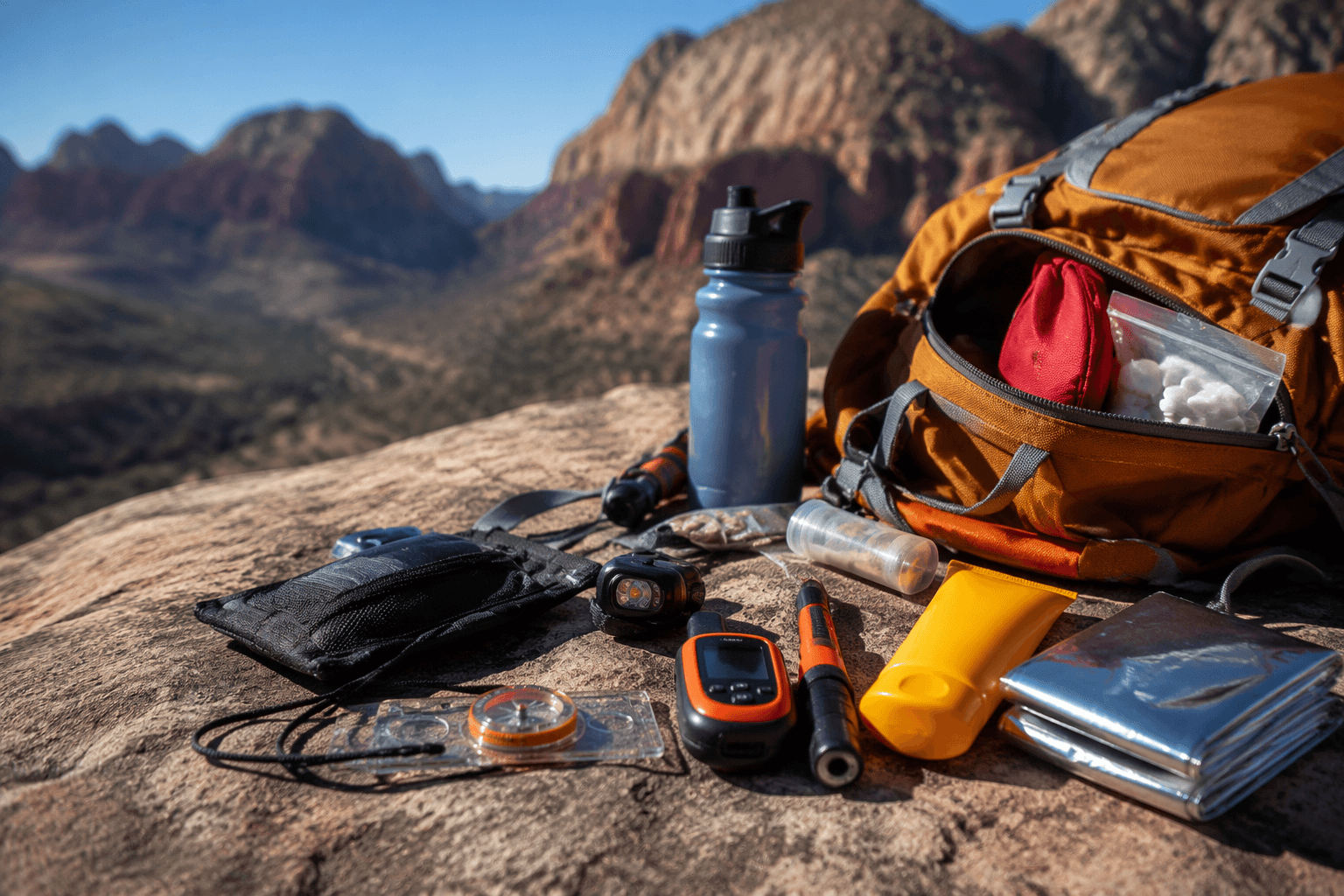
- If you cannot carry all the water you need, plus electrolyte replacement and salty snacks, cancel or reduce the plan.
- If the group cannot self-rescue if help is delayed, do not commit to the hike.
The park warns hikers should expect possible delays in rescue response because of limited staff, rescue-call volume, employee safety requirements, and limited helicopter flying capability in extreme heat.
How seasoned hikers are adapting
Seasoned Grand Canyon hikers are starting earlier, moving while conditions are coolest, and treating shade and cooling as part of the itinerary instead of something to improvise later. Hydration and electrolytes now sit on the same level as distance and elevation gain, with plain water, electrolyte replacement, and salty snacks part of the loadout rather than optional extras.
Grand Canyon Conservancy’s Hike SMART program pushed the same message during Arizona Heat Awareness Week, which ran May 5-9, 2025. The program is aimed at preventing heat exhaustion, dehydration, and heat stroke, and it uses preventive search and rescue rangers who patrol Inner Canyon trails to check whether visitors are prepared.
This article was produced by Prism’s automated news system from verified source data, official records, and press releases, then run through automated quality and moderation checks before publishing. The system is built and supervised by the people who set the standards it runs under. Read our full AI policy.
Did this article answer your question?