Lake Powell Ferry Won’t Run in 2026, Forcing Long Detour on SR-276
The Hall’s Crossing ferry will sit out 2026, turning a 25-minute Lake Powell crossing into a drive of more than two hours. Bullfrog-to-Halls travelers, houseboaters and cyclists now need a full road backup.
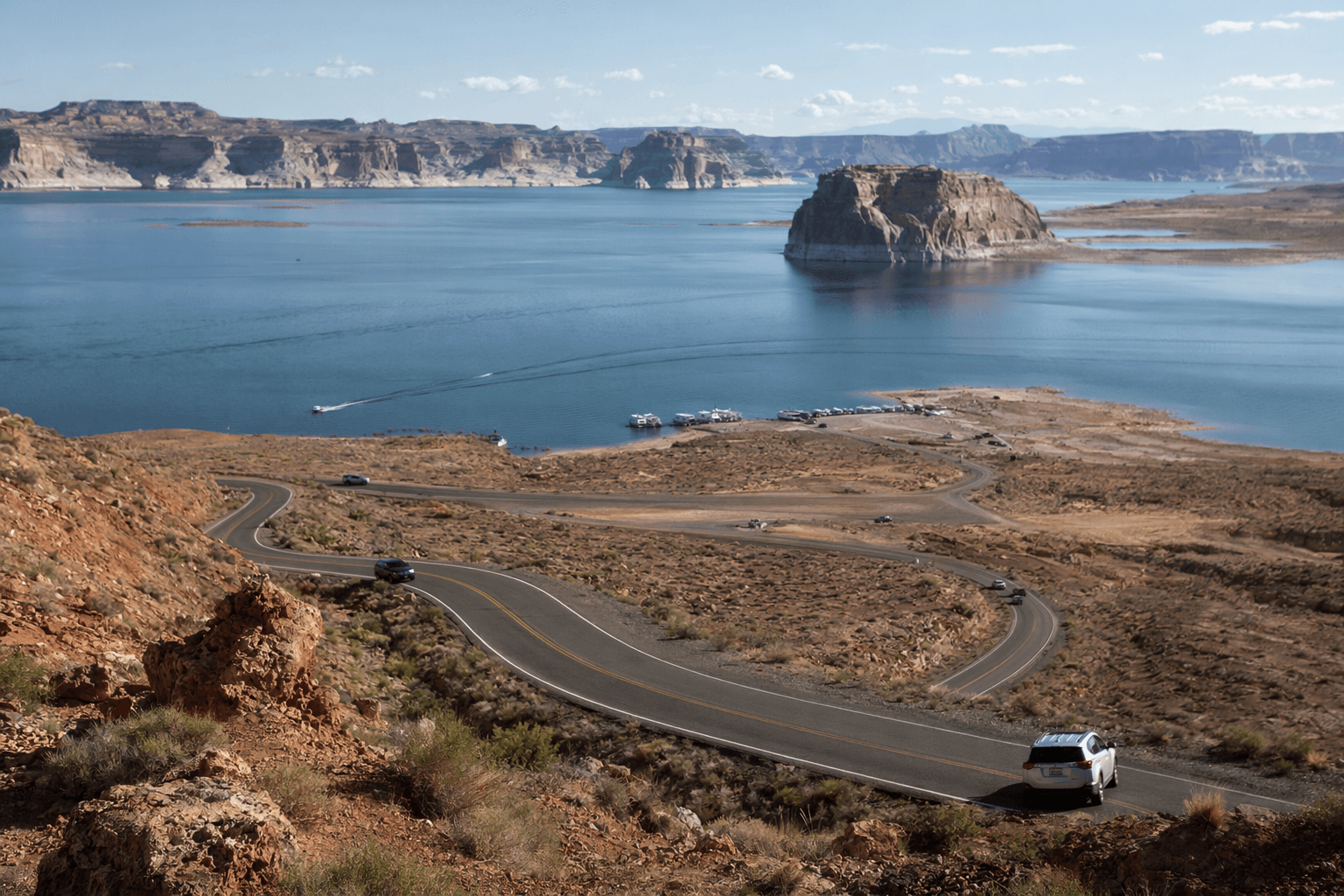
The Charles Hall Ferry on State Route 276 will not run in 2026, cutting off the short Lake Powell crossing that usually links Bullfrog and Halls Crossing. What is normally about a 25-minute water ride will now become a detour of more than two hours by road, a big change for anyone moving a car, bike or camper between the two sides of the reservoir.
Utah Department of Transportation confirmed on Thursday, April 24, that the Lake Powell Ferry Crossing was not anticipated to operate in 2026 because of continued low water levels. That means travelers who once treated the ferry as the easy shortcut across Glen Canyon National Recreation Area will need to plan for the long way around on State routes 276 and 95, with extra time, extra fuel and no quick bailout if a day trip runs long.
The impact lands hardest on houseboaters, campers, off-road travelers and anyone staging a trip around Bullfrog Marina or Halls Crossing. The ferry has been the practical connector for visitors trying to stitch together boat days and land-based sightseeing, and it carries motor vehicles, cyclists and pedestrians when it is running. Without it, the route becomes a full overland loop instead of a simple hop across the lake.
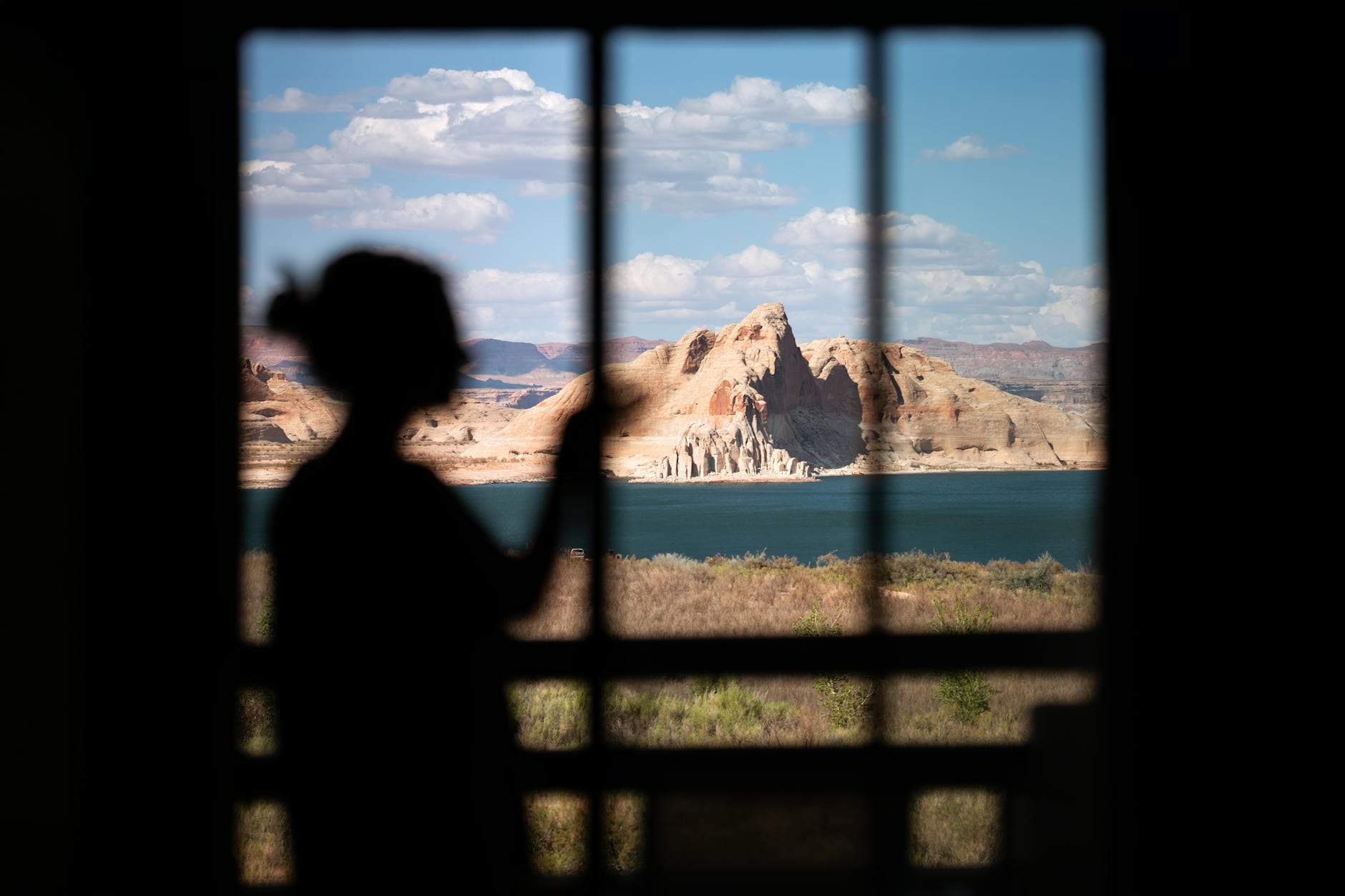
The closure is also another sign of how low water is reshaping travel in the Glen Canyon region. National Park Service figures show Lake Powell is only 13 percent of Glen Canyon National Recreation Area, but at full pool it stretches 186 miles, carries 1,960 miles of shoreline and holds 27 million acre-feet of water. Those numbers help explain why a modest drop in elevation can spill over into marinas, ramps and road access.
The timing matters, too. The announcement came as the Upper Colorado River Commission approved a release of up to 1 million acre-feet of water from Flaming Gorge, part of an effort to steady conditions around Lake Powell and Glen Canyon Dam. Even with those broader water moves, local operators are still bracing for a rough stretch. North Lake Powell Marine Director Tim Kelley said the situation could stay difficult “for the next year or maybe two” depending on snowpack. For anyone headed into the Lake Powell corridor, the message is simple: the shortcut is gone, and the detour now sets the schedule.
This article was produced by Prism’s automated news system from verified source data, official records, and press releases, then run through automated quality and moderation checks before publishing. The system is built and supervised by the people who set the standards it runs under. Read our full AI policy.
Did this article answer your question?